







HR Effectiveness
Why 2026 is the year to industrialise AI — and why HR leaders hold the baton





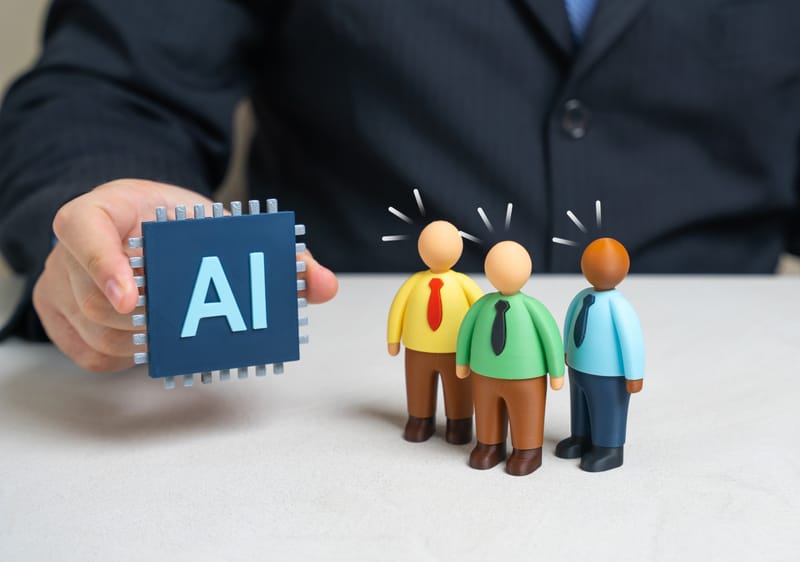
As AI industrialisation accelerates, HR leaders are emerging as architects of workforce adaptability and human-centred growth.
2026 marks a global inflection point: artificial intelligence is shifting from isolated experiments to a core business capability that will define competitive advantage. The AI landscape is no longer about who has access to cutting-edge models, but who can embed, scale, and govern AI across the enterprise. McKinsey’s State of AI report warns that organisations lacking a coherent strategy risk being trapped in perpetual “pilot purgatory.” PwC’s AI Predictions reinforce that activation and enterprise-wide adoption, not mere access, are now the real differentiators.
At this crossroads, the role of HR transforms fundamentally—HR leaders become key architects of this transition, responsible for orchestrating the redesign of work, talent, and culture. No longer on the sidelines, HR has the mandate to turn AI from a promise of productivity into an engine for sustainable business transformation.
The reason is simple yet profound: industrialising AI is as much an organisational and human challenge as a technological one. BCG finds that fewer than 30% of companies have managed to scale AI beyond pilot projects, while McKinsey highlights that most organisations have yet to fundamentally rethink jobs, workflows, and leadership to leverage AI’s transformative potential. This signals that AI remains a side initiative for many, rather than a catalyst for enterprise-wide redesign. The missing link is clear: it is HR’s unique position at the intersection of talent, capability, and culture that will determine whether organisations can unlock AI’s full value.
From Pilots to Platforms: The real meaning of industrialising AI
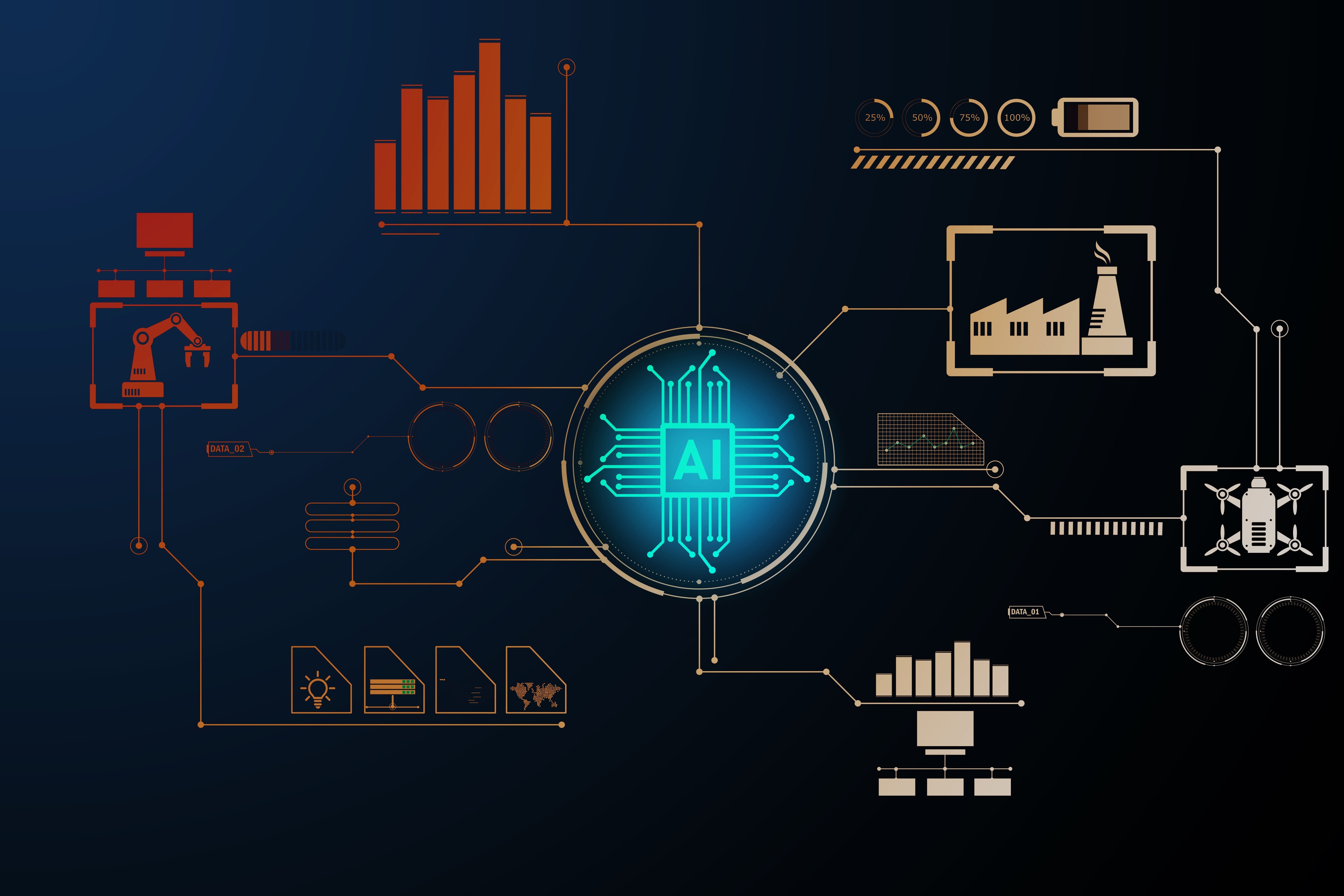
Industrialising AI is about transforming AI from an experimental tool into an enterprise platform—one that is robust, scalable, and deeply woven into business operations. It means moving beyond isolated pilots and proofs of concept to create a repeatable system where AI is governed, monitored, and continuously improved. Industrialisation demands a shift from opportunistic use to deliberate integration: job roles are redesigned around AI, data pipelines are made production-grade, governance frameworks are enforced, and leadership is held accountable for outcomes.
Research from PwC and BCG reveals that many organisations are stuck at the surface, deploying AI in pockets without real change to the underlying business architecture. As a result, they see activity—dashboards, chatbots, automation—but little true transformation.
For HR, this distinction is critical. IMD’s studies show that while AI is already streamlining recruitment, analytics, and employee experience, the leap forward happens when HR leads the redesign of work itself. This means not just automating tasks, but rethinking decision rights, workflows, and the employee journey. The key question for HR is no longer, “What can AI do for this process?” but rather, “What should this process become now that AI is part of the organisational DNA?”
Why HR holds the baton
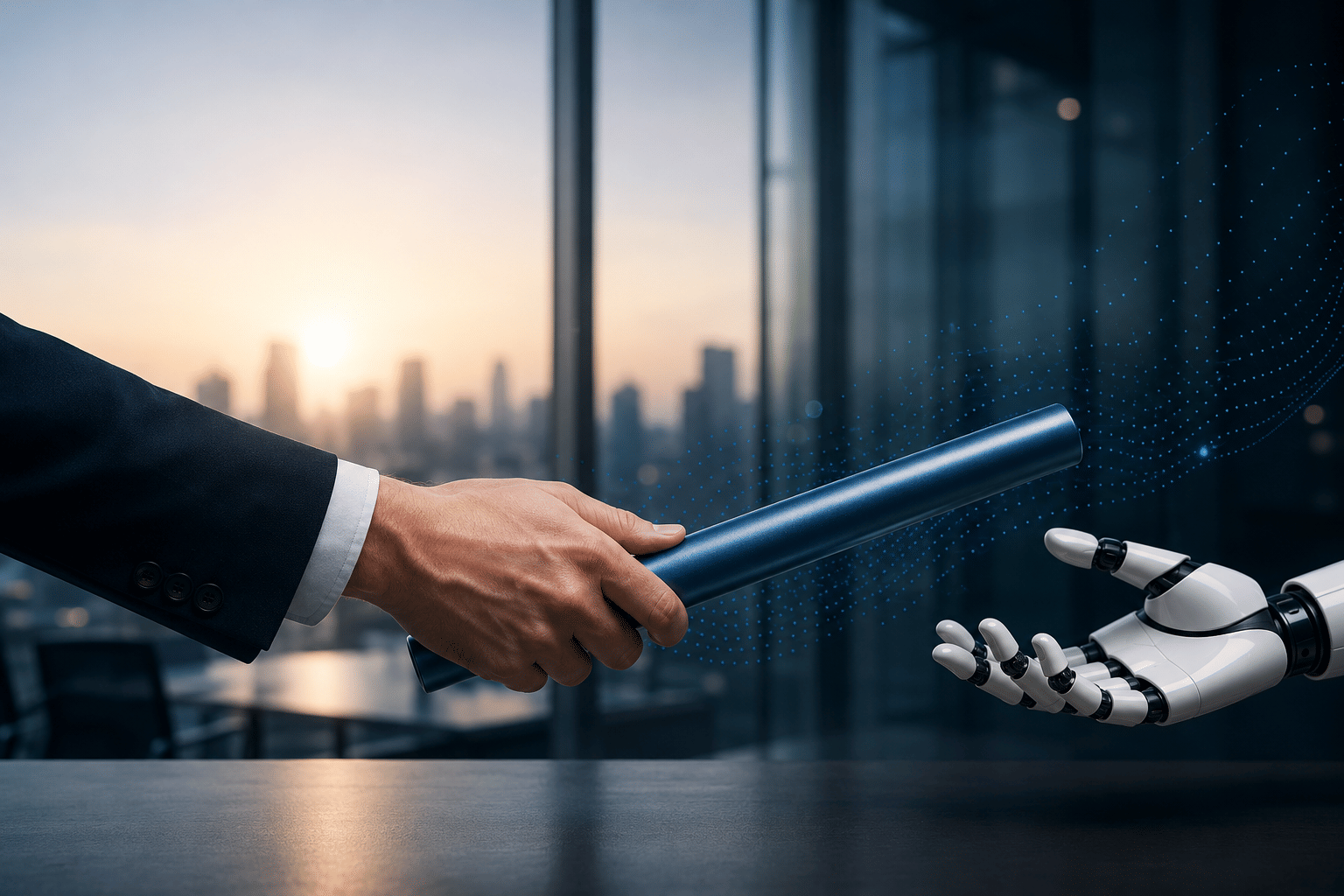
HR owns the intersection of talent, capability, culture, and organisational design, making it uniquely positioned to lead AI adoption at scale. According to Gartner’s 2026 “AI and the Future of HR” report, the majority of HR leaders now see AI as a primary driver of business transformation—yet most organisations remain focused on surface-level upskilling rather than the structural redesign of roles and workflows. This persistent gap underscores that AI readiness is not just about digital literacy, but about enabling the workforce to thrive in reimagined, AI-augmented environments where learning, advancement, and value creation are continuously evolving.
This is where HR becomes a business growth lever rather than a support function. KPMG’s 2026 view of HR transformation frames the challenge as reimagining the work, workforce, and workplace together, which is a far broader mandate than deploying another tool. If AI changes how decisions are made, how teams are structured, and how managers lead, then HR is the function that has to make those changes workable, fair, and scalable.
What the TechHR India 2026 agenda will decode
That makes People Matters TechHR India 2026 relevant this year. The theme, “Orchestrating Growth With A Human Edge,” mirrors the central challenge facing enterprises: how to scale fast without losing trust, judgment, or workforce readiness.
Sessions such as “Orchestrate At Speed — Building Capability & Capacity For Excellence” will probe how organisations can expand transformation without creating governance gaps or talent strain.
The “Skills as Strategy — Turning Capability Building Into Competitive Advantage” fireside chat is especially timely because capability-building is no longer an HR program; it is a competitive edge. BCG’s research reinforces that point by showing that talent remains one of the weakest areas of AI preparedness, even as strategic confidence rises. That is exactly why the conversation needs to move from training events to workforce architecture, internal mobility, and role redesign.
The superworker question
Another important thread is “Legacy Unplugged: The Rise Of The Superworker — Redefining Human Potential In The Age Of AI.” The title itself captures the real direction of travel: AI is augmenting human capability rather than simply replacing work. McKinsey and PwC both support this view, noting that AI should elevate judgment, creativity, empathy, and relationship-building rather than automate them away.
That question becomes even more practical in sessions like “Skilling India For The AI Economy” and “Upskilling At Scale — Making Learning Stick.” These conversations will decode the difference between broad AI awareness and real capability building, especially in large enterprises trying to scale adoption across thousands of employees. The strongest organisations will not just teach people tools; they will redesign how skills connect to performance, progression, and business outcomes.
The leadership test
The organisations that win in 2026 will be the ones that treat AI as a managed transformation, not a collection of disconnected use cases. According to BCG and PwC, only a minority of companies are deeply transforming products, processes, and business models, while most remain in optimisation mode. HR leaders can change that by aligning AI with workforce planning, operating design, and governance from the start.
That is why the baton now sits with HR. The function that once helped organisations adapt to change must now help them industrialise it. And for HR leaders, CXOs, and decision-makers, People Matters TechHR India 2026 offers the right stage to debate not whether AI matters, but how to make it stick.
Author
Loading...