







HR Technology
Building the Next-Gen Organization





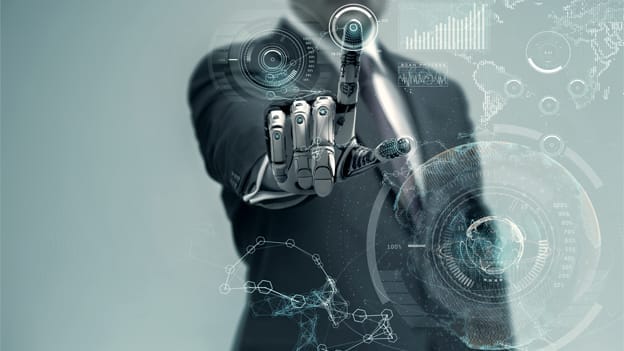
Building a change-resilient and future-friendly organization is all about the right skills, right leadership and a culture thats conducive to change.
Change is the only constant, and this has never been truer than today, where businesses need to constantly reinvent the wheel to stay relevant for the present and future. Accordingly, the very “Future of Work” is taking a 360 degrees turn, and HR practitioners and business managers are forced to imbibe this new work paradigm. This significant shift is inviting a lot of talk about about the evolution of work and what it means for masses. Some experts have gone so far as to condemning automation and artificial intelligence as socio-economic destructors. Here is an objective look at the Future of Work, as it plays out for both employees and employers.
The Construct of the Future Organization
On a broad level, a new order of work will emerge based on the following five courses of change:
A Changing Talent Landscape
In line with the above changes, the definition of work itself is undergoing a transformation. Work of tomorrow is moving away from ”leading the workforce” to “leading the work” itself. As a result, the talent landscape is moving from jobs to tasks, from collective to dispersed, from relationship-based to virtual, from self-contained to associative, from rigid structures to malleable fluid structures, from permanent to impermanent, and from collective to very individualized. All of this can be summarized in a holistic shift- from traditional to imaginative. And to fit talent into this imaginative work concept, HR too must imagine the unimaginable. This starts with gearing up for the transformation- building a change-resilient organization.
Making the right skills available at the right places will be extremely crucial going ahead, so as to control machine-outcomes on-time and accurately.
An opportunity in the making: How to build resilience
As technology is evolving there also lie immense opportunities for organizations, only if they are ready to embrace change. Yet, most organizations struggle. The following elements need to be relooked at and revamped to make this possible.
The future of work thus lies in creative intelligence, social intelligence, and ability to leverage digital.
Worries about machines overtaking man in the workplace abound, but the fact remains that the future of work will comprise a shared model, where man and machine work together.
Ultimately, people are at the core of organizational success. After civilization, this is the fourth Industrial Revolution, and in every revolution, new jobs have been created. Worries abound that robots will take away our jobs, but the reality is that we still need someone to guide those robots. This calls for a new outlook, employees are used to thinking in terms of process and workflow, i.e. how things will be designed. The future need is to think of “flow of work to the right places”. What will make a real difference is not just letting work happen, but directing it correctly. And that is where the right human intelligence remain irreplaceable.
(This article has been curated from the session conducted at the Singapore Human Capital Summit 2017)
Author
Loading...