







HR Technology
The art of using automation without losing the ‘human’ touch





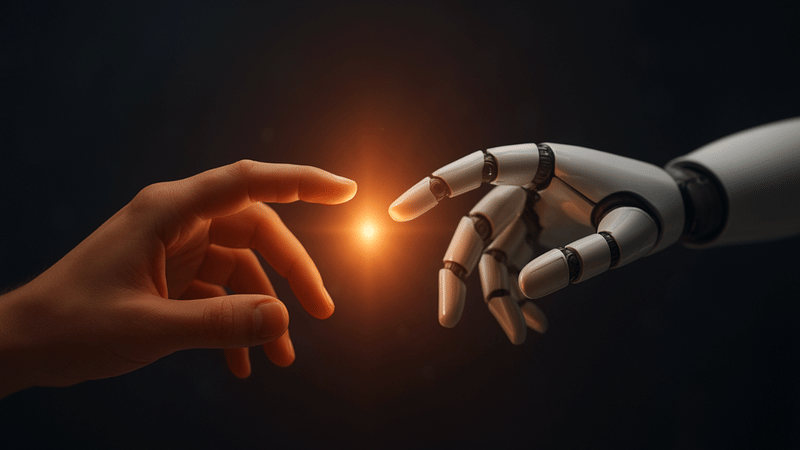
Automation is reshaping HR and workplace culture, but the real competitive advantage lies in blending efficient systems with genuine human empathy. Here’s how organisations can maintain the human touch while scaling with technology.
Authored by: Surabhi Sanchita
Over the last few years, I’ve watched something interesting unfold inside organisations. The more we automate, the more people start whispering the same worry: “Are we losing the warmth that makes work… human?” A fair concern.
Today, everything from answering employee queries to scheduling interviews to reviewing performance reports can be automated. HR dashboards are smarter, onboarding is faster, and approvals happen with a click instead of a queue. And yet, when you talk to people about what actually makes a workplace feel meaningful, the answers are surprisingly timeless,
“My manager listened when I was struggling.”
“Someone noticed I wasn’t okay.”
“A leader checked in on me beyond my targets.”
That’s when it hits you: technology can make work efficient. Only humans can make work human. The goal isn’t to replace connection with automation. It’s to create more space for connection because of automation.
Automation Helps, But It Can’t Replace a Human “Hey, How Are You?”
Let me give you a simple example. A young colleague once came to me, overwhelmed with her workload. Our HR tech system had already flagged her as “highly productive.” But the dashboard didn’t know she had an unwell parent at home. It didn't know she hadn't slept properly in days.
It was a short walk-and-chat around the office garden, not a system alert, that helped me understand what she truly needed: flexibility, emotional space, and someone to say, “You don’t have to do this alone.” That day reminded me that dashboards can inform behaviour, but they can’t replace it.
Automation can tell you what is happening. Humans tell you why. And both perspectives are essential.
Use Automation to Remove Clutter – So Humans Can Show Up More Fully
At its best, automation should feel like a silent teammate: present, invisible, and relentlessly helpful.
Here’s what I mean:
When onboarding is automated, managers finally have time to sit with new hires on Day 1.
When approvals don’t involve 14 emails, leaders can do real check-ins.
When HR isn’t drowning in manual reports, we can focus on culture, wellbeing, and mentoring, the “heart work”.
The purpose of automation isn’t speed alone. It’s space. Space for better conversations, space for empathy, space for being human.
Let Technology Support the Conversation, Not Replace It
I’ve seen many organisations fall into a very common trap: the moment they implement a chatbot, they assume they can reduce human involvement because “the system will take care of it.” But here’s the reality, a chatbot can respond to a query, it can fetch information, and it can even mimic a polite tone, but it cannot understand the emotion behind the message. It cannot sense frustration in a customer who has been waiting for a refund, or the disappointment of someone whose gift order arrived late, or the anxiety in a parent asking about ingredients because their child has allergies. A chatbot processes words; a human processes feelings. And that difference, that tiny space between information and emotion, is where real loyalty, trust, and connection are built.
A real example:
An employee once requested unexpected leave through our automated system. Everything was processed instantly. But something in the tone of their message, yes, even in a system note, made me pause. I called them. They burst into tears; a close friend had passed away.
That phone call mattered far more than the approved leave. This is why we need both the efficiency of automation and the intuition of humans.
Make Automation Feel Like an Extension of Your Culture
If your workplace culture values warmth, the way you design your automated systems should reflect that.
For instance:
Add small human touches, like “Take care!” at the end of an approval email.
Add an optional “Would you like to speak to someone?” button after a difficult workflow like performance reviews.
Use simple, friendly language in automated messages instead of robotic jargon.
These are small things, but small things are what people remember.
A Simple Rule: Automate the Tasks. Humanise the Moments That Matter.
HR sits closest to both people and processes. We see the data, but we also see the feelings behind the data.
Our responsibility is to ensure that:
Technology empowers instead of distances.
Leaders don’t hide behind dashboards.
Workflows don’t become walls.
Data can guide decisions. But it should never define people. Productivity keeps the business running. Humanity keeps the business alive.
Why HR Has to Lead the Balancing Act
No function sits closer to both people and processes than HR. We understand the push for speed and efficiency, but we also see the emotional layers that no dashboard can capture. Our job is to ensure technology empowers people rather than distances them, to prevent leaders from hiding behind reports instead of engaging in real conversations, and to stop workflows from turning into rigid walls that block empathy. Data should inform decisions but never define people, because no metric can explain why someone is struggling, thriving, or feeling unseen. Ultimately, HR must keep reminding the organisation of a simple truth: productivity keeps the business running, but humanity keeps it alive.
Where We’re Headed
The future of work will never be purely tech-driven or purely human-led. It will be the thoughtful merging of both. Automation will handle the predictable. Humans will handle the emotional. Machines will make systems fast and accurate. People will make experiences meaningful. Because long after employees forget which software we used, they will remember how the workplace made them feel seen, supported, and valued. And that, to me, is the real art of the future: using automation not to replace humanity, but to elevate it.
Loading...