







Leadership
From maintenance to experience, Sodexo's Leah Dango on redefining the workplace




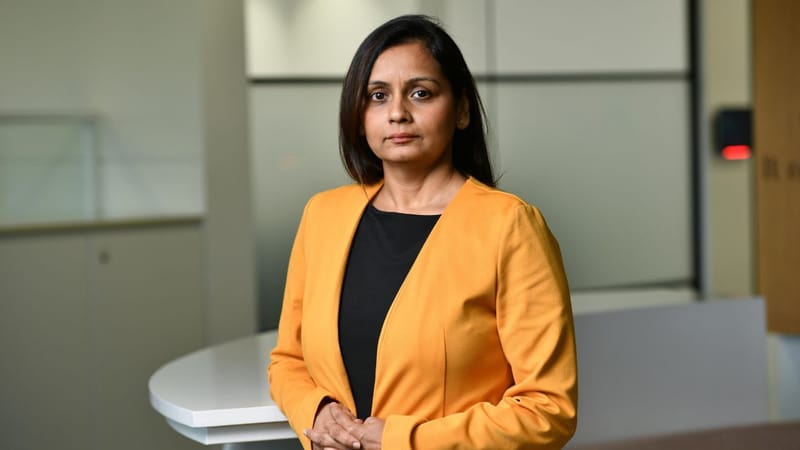
This new approach, Dango explained, is driven by a digitally savvy, post-pandemic workforce that demands more than just a clean office.
The corporate landscape is in the midst of a profound transformation, and the changes are not just happening in boardrooms and product development labs; they are reshaping the very spaces where people work. For Leah Dango, the Chief Operating Officer, FM Growth & Strategic Clients, Sodexo, this shift is more than a trend—it's a new paradigm that has reshaped her industry.
Having joined Sodexo five years ago, just as the world was grappling with the onset of a global pandemic, Dango has had a unique ringside seat to this evolution. She has witnessed a monumental shift in how companies perceive their workplaces, moving from a focus on administrative facilities management to a mission of creating experience-led services that drive value for employees.
In a wide-ranging dialogue, Dango unpacked this transformation, detailing how a company once known for essential services is now at the forefront of curating holistic workplace ecosystems. This new approach, she explained, is driven by a digitally savvy, post-pandemic workforce that demands more than just a clean office; they seek an environment that is safe, comfortable, and, most importantly, purposeful.
The Paradigm Shift: From maintenance to experience
For decades, facilities management was a largely unseen, transactional function. Its success was measured by the cleanliness of restrooms, the tidiness of meeting rooms, and the smooth functioning of basic infrastructure. The pandemic, however, catalysed a radical change in mindset.
"Post-pandemic, I realised there's been a very, very big shift," Dango said. "Now, a lot of our clients are talking about experience-led services."
This is no longer about a checklist of tasks. It is about a new, holistic approach to the workplace that places employee well-being and engagement at its core. Today, when an employee walks into an office or a high-tech R&D lab, they expect a seamless experience.
A host of integrated services defines the modern workplace: flawlessly functioning AV systems, digital desk-booking from the comfort of one's home, and concierge services that cater to personal needs. The umbrella for this new model is ESG (Environmental, Social, and Governance), which, Dango notes, has "taken centre stage at this point."
This shift has also fundamentally changed the nature of Sodexo's work.
The company is now a strategic partner in value creation, offering not just labour but a consultative approach. Dango revealed that about two years ago, Sodexo made a deliberate investment in building its capabilities in design solutions. This service focuses on creating cost-effective, sustainable facilities that also prioritise the comfort and safety of the people who use them. This is about meeting both the financial and human needs of the modern corporation.
Beyond Cleaning: The new frontline workforce
This strategic pivot has a direct and profound impact on Sodexo's hiring practices, particularly in India, where the company's workforce stands at a remarkable 59,000 employees. The company is no longer simply hiring general electricians or maintenance technicians; it is seeking a new kind of expert.
"We are hiring people who understand what efficient energy means," Dango explained. "We're hiring people who have a much better and solid background in terms of water conservation."
For their on-site hospitality roles, Sodexo is even recruiting from five-star hotels, bringing in professionals for whom hospitality is "in their DNA."
This transformation is most visible at the middle and senior management levels, where the demand has shifted from simple "operate and maintain" personnel to a need for consultative, progressive thinkers. These are the individuals who are expected to look forward and bring futuristic solutions to the table, particularly in high-stakes environments like manufacturing sites, where a service failure can have a significant impact on production.
For Dango, the biggest challenge is not finding this talent in India's deep pool of STEM candidates, but in retaining them by showing a clear, progressive career path.
Decoding the GCC phenomenon
A significant part of Sodexo's strategic focus is on India's burgeoning Global Capability Centre (GCC) ecosystem. These centres, which are projected to grow massively by 2030, are attracting a new wave of talent, primarily from the Gen Z demographic. This workforce has a distinct set of expectations.
"Today, most of these employees that we are seeing want a holistic workplace experience. It must fit into their lifestyle," Dango said.
This means a demand for everything from hot-desking and tech-enabled environments to nutritious food and wellness-driven initiatives. Sodexo's response has been to move beyond simply providing efficiency and productivity; it is now curating bespoke experiences that bring a sense of purpose to the employees' everyday work life.
Dango also highlighted Sodexo's unique strength in servicing not just mass-scale GCCs, but also the critical R&D centres and "think tanks" that are creating solutions for the world.
The Culinary Revolution: Redefining workplace dining
In the modern workplace, the cafeteria is no longer just a place to eat; it's a social hub, a place for "progressive conversations," and an integral part of the employee experience. Sodexo's approach to food services has evolved to match this reality. The company's global food heritage allows it to play a consultative role, advising clients on everything from moving to safer, more sustainable e-kitchens to designing dining spaces that break down old hierarchies.
But the real innovation, Dango revealed, lies in the company's approach to nutrition. Sodexo has moved beyond a simple "veg/non-veg" classification, providing detailed information on the sugar and sodium content of their meals.
This data-driven approach is designed to "nudge" employees towards healthier choices by making them aware of the impact of their food decisions. They curate menus that blend traditional and modern recipes to cater to the diverse, multi-generational workforce, understanding that a one-size-fits-all menu is no longer viable.
Strategic Growth: New frontiers and a tech-first future
Looking ahead, Dango sees several new frontiers for growth beyond the GCC market. The manufacturing sector, particularly in India's Tier-2 and Tier-3 cities, is a major focus for the company. In these environments, service execution is complex and the stakes are high, with any service issue potentially impacting production.
She also pointed to the emerging education segment, with global universities increasingly establishing a presence in India, and the burgeoning senior living market, a business segment that Sodexo has a strong global footprint in and is watching closely in India.
Ultimately, Sodexo's future strategy is rooted in technology and data. The company has developed its own proprietary apps for both food and facilities management, leveraging smart analytics to provide predictive, ahead-of-the-curve services.
"Decisions will have to be very, very... predictive in nature," Dango stated. "Smart analytics will play a very, very important role."
This focus on a cohesive, tech-enabled ecosystem gives Sodexo a clear advantage in a dynamic market that demands not just services, but a strategic partner capable of driving the future of work.
Topics
Author
Loading...