







Leadership
How Ensono's CPO ensures a continuous pipeline of skilled tech talent
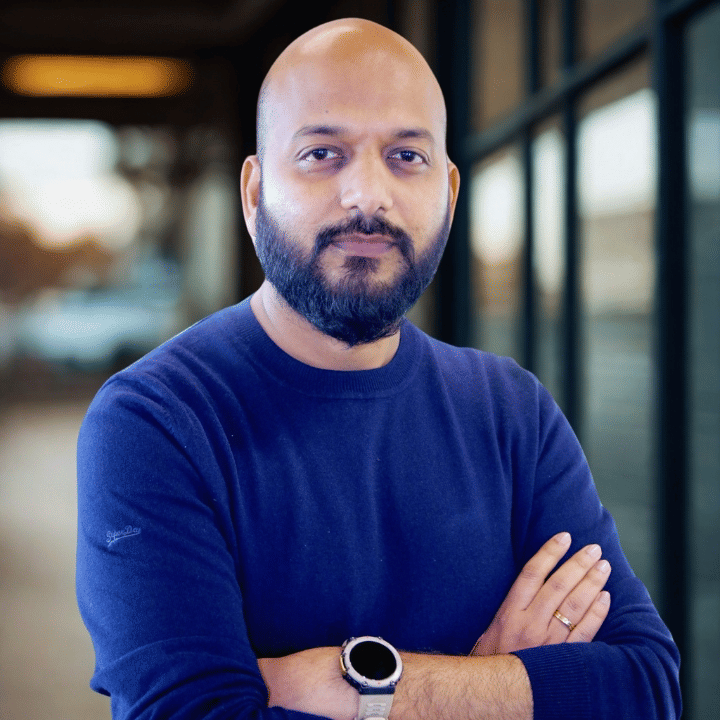





Ensono's strategy is built on a foundation of universal values: a passion for innovation, a desire to learn, and a client-centric mindset, said Graham.
In the bustling landscape of India's tech industry, where the race for talent is fierce and the pace of innovation relentless, Meredith Graham, Chief People Officer at Ensono, offers a refreshing perspective. It's not about winning a war for talent, but about building a culture where people want to stay. In a recent interview with People Matter during her visit to India, Graham shared Ensono's playbook for success, a strategy rooted in a deep belief that people are the true foundation of any thriving enterprise.
India: The core of Ensono's global talent hub
For many global companies, India's talent pool has long been viewed through the lens of cost-effectiveness, but that is now changing. And for Ensono, a global technology services company which operates in six countries, the narrative is no different. With over 1,900 associates out of the total 3,700 global workforce, India is Ensono's largest talent hub, a strategic decision driven not by cost, but by the sheer quality of talent.
"There is a significant amount of tech talent (in India)," Graham noted, "and we've been able to attract a lot of great people." While the abundance of talent is a clear advantage, Graham admitted to a common industry challenge: finding professionals with niche skills, particularly in legacy technologies like mainframe.
Ensono's solution? Building their own talent. "To supplement that, we started going to universities and creating our own upskilling and development programs for those niche skills," she explained. This proactive approach, including a dedicated mainframe academy in India, ensures a continuous pipeline of skilled professionals, bridging the gap between legacy and modern technology.
Beyond One-Size-Fits-All: A culture of core values
Operating in six countries with a diverse, multi-generational workforce, Ensono's people strategy is anything but uniform. Graham is a firm believer that a one-size-fits-all approach is a recipe for failure.
"You can't have a one-size-fits-all for people. They're just different in different cultures, different generations," she stated.
Instead, Ensono's strategy is built on a foundation of universal values: a passion for innovation, a desire to learn, and a client-centric mindset. "If you have that base, then you can look at the differences and make sure that you're keeping those regional and cultural differences that are important to people," Graham said. This approach creates a cohesive global culture that is strong at its core yet flexible enough to adapt to local sensibilities.
The AI Imperative: From elimination to augmentation
The conversation naturally turned to the most disruptive force in the modern workplace: artificial intelligence. Graham acknowledged that everyone, including Ensono, is still navigating the AI landscape. However, the company's philosophy is clear: AI is not a tool for job elimination, but for human augmentation.
"AI is there. It's never going to go away," Graham stated. "So how do we empower people to understand it, use it, and use it to get rid of some of those administrative tasks that no one really likes to do?"
The company is not looking to hire people for roles centred on repetitive data entry. Instead, it is focused on recruiting for higher-level skills, knowing that AI can handle the mundane. This not only makes the workforce more efficient but also creates more engaging and strategic opportunities for employees at all levels.
A strategic CHRO and a people-first vision
Graham believes that the CHRO role has undergone a significant transformation, moving from a transactional to a deeply strategic function. At Ensono, this has always been the case.
"Our board is very interested in what I am doing on the people side," she said. "We believe first and foremost that people are our foundation, and then you have the process and technology after that."
This strategic vision is critical to navigating the rapid pace of change. The CPO's role is to ensure the people and their skills are evolving in lockstep with the company's direction, a task that has become even more important with the advent of AI.
When asked about the key qualities she looks for in a new hire, Graham dismissed the idea of specific technical skills. Instead, she emphasised the importance of individual values—the desire to learn, curiosity, and the ability to accept and embrace change. Technical skills, she believes, can be taught, but this foundational mindset is what truly drives success in a fast-paced, growth-oriented company.
Looking ahead to the workplace of 2030, Graham is optimistic. She envisions a world where AI has streamlined administrative tasks, freeing people to engage in more innovative and strategic work. "It's going to be much more where people have more skill set and more work around higher-level work versus the administrative tasks that you don't want to do that most people are bored with," she predicted.
Retention, inclusion, and sustainability
While the "Great Resignation" of 2022 was a global phenomenon, Graham proudly shared that Ensono has maintained a single-digit attrition rate globally and an even lower rate in India. The key, she explained, is a strong focus on internal career progression. "We don't look externally, we look internally first to move anyone into a role," she said.
The company's commitment to flexibility is also a key differentiator, particularly for women in the workforce. By offering a hybrid and remote work model, Ensono provides the flexibility needed to balance professional and personal responsibilities. This approach has been crucial for attracting and retaining female talent, who often bear the primary burden of childcare or elder care.
On the sustainability front, Graham confirmed Ensono's commitment to environmental responsibility, sharing the company's goal to be net carbon neutral by 2050. This is being achieved by modernising and consolidating data centres, significantly reducing their carbon footprint.
Topics
Author

Loading...