







Leadership
'Hungry minds, not just high pay, will define future organisations', Ashish Vidyarthi at GCC Talent Summit 2026





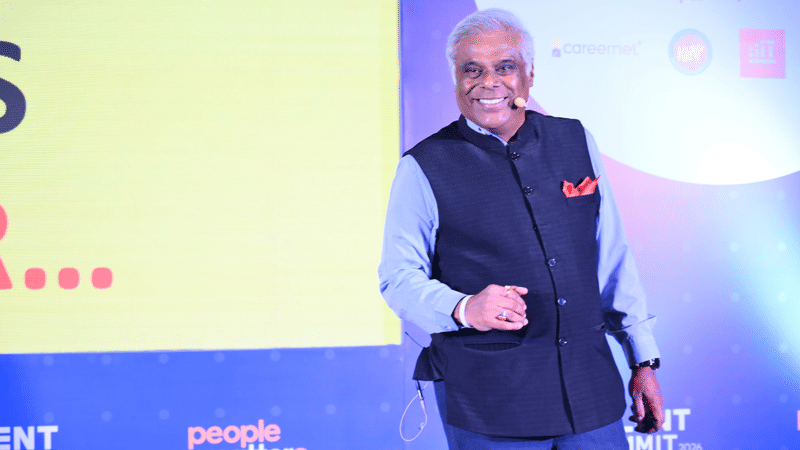
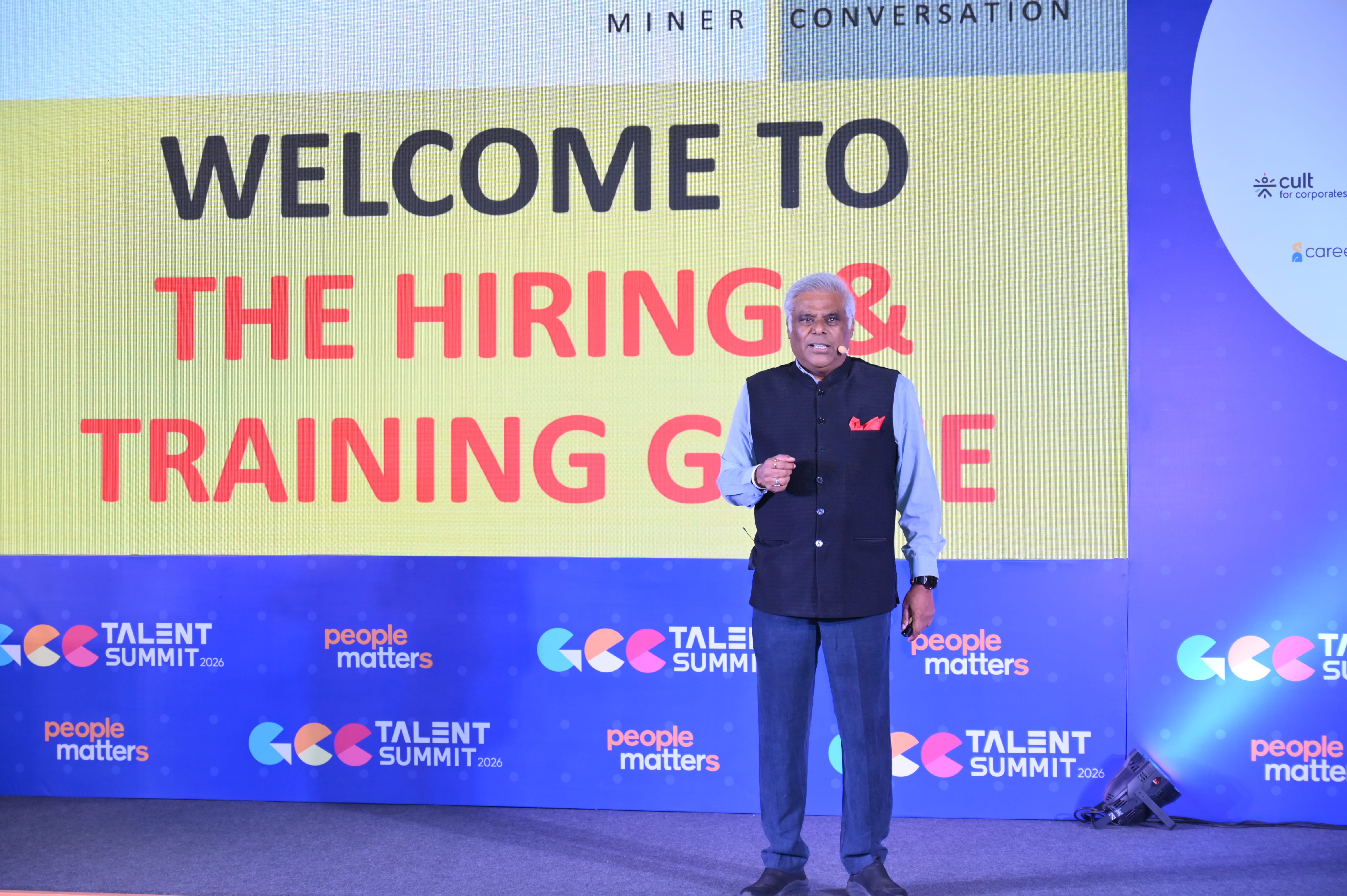
In an inspiring session at the GCC Talent Summit 2026, Vidyarthi spoke about reinvention, relevance, and why organisations must create environments where people feel part of something larger.
At the People Matters GCC Talent Summit 2026 in Hyderabad, Ashish Vidyarthi brought his trademark mix of candour, energy, and storytelling to a conversation that went far beyond work.
Actor, motivational speaker, and transformational storyteller, Vidyarthi made one thing clear - in 2026, the real shift is not just technological, but deeply personal.
His core message was simple yet powerful that the future belongs to those who keep evolving.
In a room full of talent leaders, GCC decision-makers, and learning professionals, Vidyarthi reframed the conversation around talent by asking attendees to look inward. The real question, he suggested, is not only how organisations hire, train, and build talent—but how individuals choose to stay relevant, hungry, and open to reinvention.
Reinvention is the real competitive edge
For Vidyarthi, life and leadership are never “cookie cutter.” Every journey is bespoke, shaped by uncertainty, change, and the willingness to keep moving. In that sense, the workplace mirrors life itself: past achievements matter, but the real game is always about what next.
That mindset is especially relevant in today’s GCC ecosystem, where roles are evolving from execution support to strategic ownership.
As GCCs take on more complex, value-creating mandates, the talent they need must go beyond capability alone. They must bring adaptability, curiosity, and an appetite for growth.
Vidyarthi’s argument was that reinvention is no longer optional. It is the upgrade leaders and professionals alike need in order to remain relevant in an environment defined by constant shifts.
From talent acquisition to human possibility
One of the strongest ideas from his session was that talent strategy must move beyond credentials and current competence. Organisations should not only hire people for what they are today, but for their willingness to evolve.
That changes the role of both talent acquisition and learning. Hiring is not merely about filling roles; it is about identifying people with an “excited mindset”, those who can create extraordinary possibilities, not just perform predefined tasks. Likewise, development is not just about capability building; it is about helping people see that they are more multifaceted than they realise.
In Vidyarthi’s framing, value does not come from title, pedigree, or even price. It comes from the ability to add value, again and again, in changing contexts.
Uncertainty is the only certainty
A recurring thread through his session was the need to make peace with uncertainty. Rather than resisting it, Vidyarthi invited the audience to see uncertainty as the natural condition of modern life and work.
For GCC leaders, this is an especially resonant idea. As global business models transform, certainty around roles, skills, and career paths is fading. What remains within an individual’s control is the choice to stay relevant.
His message to professionals was direct: relevance is a personal game. No one else can outsource it for you. Learning, therefore, cannot be episodic or compliance-led. It has to become continuous, self-driven, and energised by hunger.
Hunger, hope, and the future of leadership
Vidyarthi also drew a distinction between confidence and hope. Confidence, he noted, can fluctuate. Hope, however, can remain a constant team member.
That matters in a world where many professionals experience self-doubt, career fatigue, or the pressure of constant change. Leaders, in this context, have a critical role to play, not by offering false certainty, but by creating environments where people feel seen, engaged, and inspired to keep growing.
He described the organisations of the future as those that attract the globe not simply through brand or compensation, but through hungry, engaging minds and cultures that make people feel part of something larger than themselves.
Why GCCs are uniquely placed to shape what comes next
Perhaps the most compelling subtext of Vidyarthi’s session was how naturally his ideas align with the GCC story today.
As GCCs move from cost centres to innovation hubs, they are increasingly becoming spaces where new models of leadership, talent, and transformation can take root.
For Vidyarthi, this is where the real opportunity lies: not in being seen as efficient, but in being recognised as engines of possibility.
That requires organisations to build cultures where ownership matters more than compliance, passion matters as much as skill, and growth is treated as a living, ongoing narrative.
His closing provocation stayed true to that spirit: the world runs on narratives, and talent leaders have the opportunity to alter them.
At a time when businesses are searching for the next breakthrough, Vidyarthi’s message offered a timely reminder:
Breakthrough cultures are built by people who remain hungry, learning, and on fire.
Loading...