







Leadership
“Lead with purpose, optimism and values, never losing your humanity”: Ruzbeh Irani


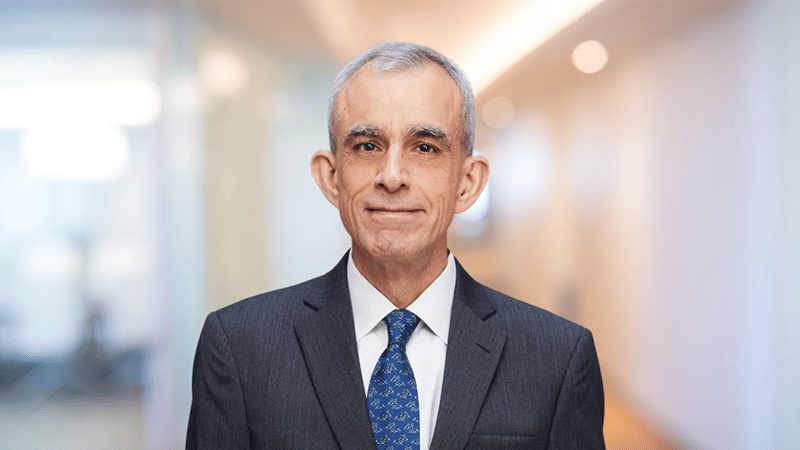
Mahindra's former Group CHRO, Ruzbeh Irani, on sustaining organisational identity, developing future leaders and keeping human capabilities central as AI reshapes work.
Organisations are being asked to adapt to technological advances, changing business priorities and evolving workforce expectations, often while preserving the values and identity that have shaped them. For business leaders, this creates a challenge that goes beyond responding to disruption. It calls for a clear sense of purpose, a culture that allows people to evolve and leadership capabilities that can keep pace with the demands of the future.
The challenge also affects how organisations develop their people. As AI changes the nature of work and decision-making, capabilities such as empathy, wisdom and care are becoming increasingly important. At the same time, organisations need to create opportunities for employees to experiment, take on unfamiliar responsibilities and grow into future leadership roles.
For Ruzbeh Irani, the foundations of a future-ready organisation lie in the relationship between purpose, values and human capability. Drawing on his experience from Mahindra's 'Rise' philosophy, he discusses how organisations can sustain their identity through change, why distinctly human qualities will matter alongside AI, and how leadership development and organisational design must evolve to prepare people for the future.
His own career at Mahindra reflects this idea of continuous reinvention. Having joined the Group in 2007, Irani has worked across Strategy, Brand, Racing, and International Operations, later retiring as Group CHRO. He describes the experience as having had "the benefit of multiple careers" within one organisation.
Purpose and values provide continuity through change
Periods of disruption can test an organisation's ability to remain consistent in what it stands for. While strategies and business priorities may evolve, Irani believes that a strong organisational identity comes from having a clearly defined purpose and values that remain non-negotiable.
"Organisations which have a core purpose and are built on the bedrock of core values typically have a culture which endures and carries the organisation through good and bad times," he says.
He describes purpose as the organisation's North Star and values as the principles that sustain its identity. At Mahindra, this is reflected in the 'Rise' philosophy, which centres on driving positive change through creating value, being future-ready and working towards a more equal and inclusive world.
The philosophy is supported by three core values: integrity, quality and care. These, Irani explains, are non-negotiable, while the behaviours expected of leaders and associates are collaboration, agility and boldness.
The distinction is important for organisations navigating continuous change. Adaptability requires people to respond to new circumstances, but that flexibility needs to operate within a shared understanding of what the organisation stands for. For leaders, the task is to preserve that foundation while encouraging the behaviours that allow the organisation to move forward.
Why human capabilities will matter alongside AI
As AI makes information more accessible, relevant and easier to organise, the qualities that shape how people interpret information and act on it will become increasingly important. For Irani, three capabilities stand out: empathy, wisdom and care.
"Empathy, wisdom and care are three deeply human capabilities which will become even more valuable as AI provides us with more relevant, better organised information, faster," he says.
His perspective places the value of human capability within the context of better-informed decision-making. Access to information may improve with AI, but the ability to bring empathy, wisdom and care to decisions remains essential. He also points to the importance of combining these capabilities with the effective integration of AI into work and a measured appetite for risk.
This has implications for how organisations prepare their workforce. Developing AI capabilities cannot be viewed in isolation from the human qualities needed to apply technology responsibly and make sound decisions. As information becomes more readily available, the ability to assess it, consider its wider implications and exercise judgement will remain important.
For business and HR leaders, this means thinking about capability building as a combination of technological understanding and the human qualities that shape how technology is used.
Creating room for people to experiment and grow
Building workforce capability also requires organisations to look beyond formal learning programmes. Irani views personal growth as a journey that organisations should actively support by creating an environment in which people feel able to express their views, experiment and learn from failure.
He emphasises the importance of providing associates with a safe space through an inclusive culture. Such an environment allows people to test ideas and learn through experience rather than being confined to familiar responsibilities.
Opportunities to take on roles outside one's comfort zone are another important part of this process. Irani believes that deserving associates should be given these opportunities, provided they receive the support needed to succeed. Coaching and mentoring can further help people navigate unfamiliar responsibilities and develop through these experiences.
This approach also informs Mahindra's leadership development philosophy. Irani identifies the 'Rise' philosophy, alongside the behaviours of being collaborative, agile and bold, as central to its leadership development initiatives.
The organisation curates learning journeys for leaders across levels, focusing on three areas: managing self, managing teams and managing businesses. Its approach combines what Irani describes as inside-out and outside-in development.
While behavioural specialists bring expertise in the personal and interpersonal aspects of leadership, global business schools help participants build broader perspectives. Coaching and cross-business exposure provide further opportunities for individuals to develop a more holistic understanding of leadership.
The combination of these experiences reflects the belief that leadership development requires both personal growth and exposure to different perspectives. It also highlights the importance of giving people opportunities to apply what they learn in different contexts.
The evolving HR agenda: redesigning work and building capability
As organisations integrate AI into their operations, the implications extend beyond technology adoption. How organisations design jobs, processes and organisational structures will also need to evolve. Irani believes that the ability to identify the right human-AI mix in organisational, process and job design will be a defining expectation of the next generation of HR leaders.
He sees capability building becoming more dynamic as organisations respond to changing work requirements. The management of mental well-being will also become increasingly important.
These priorities point to a broader role for HR in connecting technological change with workforce readiness. Decisions about where AI can be integrated into work need to be accompanied by an understanding of the human capabilities required, the opportunities employees will have to develop and the support they will need as roles change.
For CHROs, this means engaging with organisational and job design while ensuring that capability development keeps pace with evolving business requirements. It also requires attention to the human experience of transformation, including the importance of mental well-being.
Ultimately, the ability to build future-ready organisations will depend on how effectively leaders bring together technology, organisational capability and the needs of their people.
Leadership must retain its human foundation
For Irani, the principles guiding leadership should remain steady even as organisations and the nature of work evolve. His advice to leaders building future organisations is direct: "Lead with purpose, optimism and values, never losing your humanity."
The thought brings together the central ideas in his perspective on organisational readiness. Purpose and values provide continuity, while an inclusive culture and opportunities for growth allow people to adapt.
Technology can improve the information available to organisations, but human qualities remain essential to how that information is interpreted and used.
As organisations prepare for the next phase of change, Irani's emphasis is on ensuring that progress does not come at the expense of the principles that give leadership its meaning. The future may demand new capabilities and different ways of working, but purpose, values and humanity must continue to guide how leaders make decisions and develop their people.
Author
Loading...