







Leadership
“Skills will become the currency of talent strategy”: Pushkar Bidwai at GCC Talent Summit





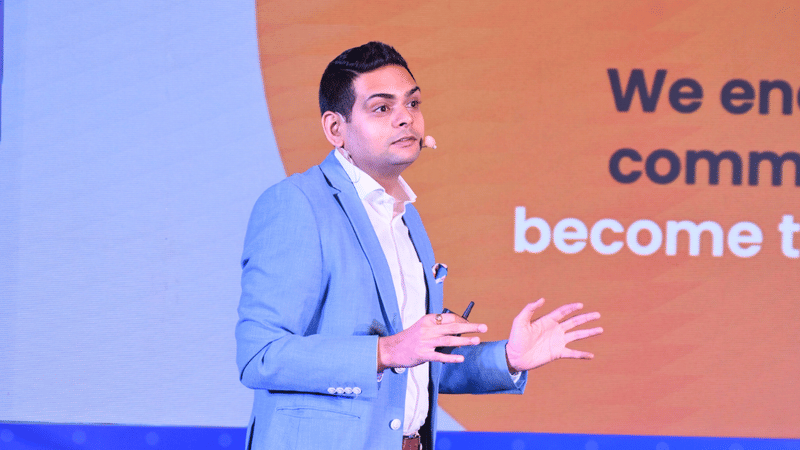
At the GCC Talent Summit in Hyderabad, Pushkar Bidwai said skills—not roles—will define workforce strategy as AI and productivity reshape global capability centres.
As global capability centres in India outgrow their traditional cost-saving roles and step into the spotlight as strategic partners for multinationals, talent strategy is experiencing a profound transformation.
Speaking at the People Matters GCC Talent Summit – Hyderabad Edition on 12 March, Pushkar Bidwai, CEO of People Matters, urged companies to radically rethink workforce structures as technology and business priorities shift at breakneck speed.
“Skills will become the currency of talent strategy,” Bidwai told an audience of HR leaders, GCC heads and technology executives, stating that organisations can no longer rely on static job roles to organise their talent systems.
GCCs entering a new phase
India’s GCC ecosystem has surged over the past decade, with centres now driving product engineering, data analytics and ambitious digital transformation programmes.
Yet this rapid growth has also raised the bar for productivity, innovation and workforce capability.
Insights presented at the summit drew on People Matters Research’s SHRPA State of HR Industry 2025–26: India Insights Report, which examines the forces shaping HR priorities across India.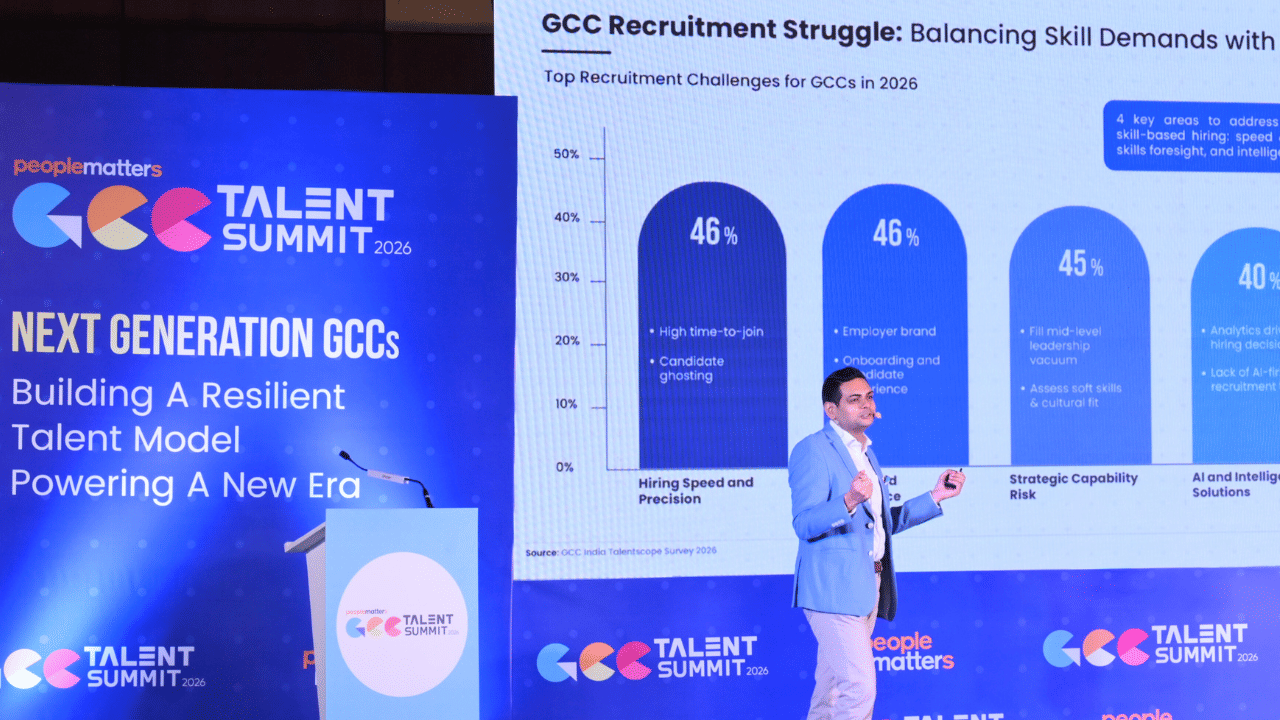
The research identifies three themes that organisations are prioritising in 2026:
-
productivity improvement and process excellence
-
AI capability and digital transformation
-
intelligence-driven hiring models
Collectively, these priorities signal a decisive move away from simply adding headcount towards building a workforce powered by capability and expertise.
The research also highlights evolving employee expectations.
Today’s workers are zeroing in on three essentials when choosing employers: opportunities for career progression, strong managers and fair rewards.
“People want to work for great managers. They want to see career velocity and career growth. And they want fairness in pay,” Bidwai said. He noted that managerial effectiveness is fast becoming a must-have leadership skill as organisations navigate relentless technological change and evolving workforce demands.
The rise of skills-based hiring
Recruitment strategies are being transformed by the surging demand for digital and AI-driven skills.
Many organisations are abandoning traditional hiring playbooks in favour of skills-based models powered by workforce analytics.
Bidwai described this shift as the emergence of “hiring intelligence”, where companies anticipate capability needs rather than reacting to them after demand emerges.
According to the research, six in ten organisations are prioritising skills in areas such as AI, analytics and digital transformation, while also seeking complementary capabilities including product thinking, problem solving and change leadership.
Despite this momentum, many organisations admit they are still playing catch-up.
Leaders surveyed rated their readiness to tackle new talent challenges at just 40%, exposing a wide gulf between ambition and execution.
Bidwai pointed out that the real challenge is not just finding external talent, but ensuring organisations have the internal systems to deploy skills effectively across hiring, learning and rewards.
“Roles themselves are changing every few months,” he said, arguing that companies need dynamic systems to track and redeploy capabilities across the organisation.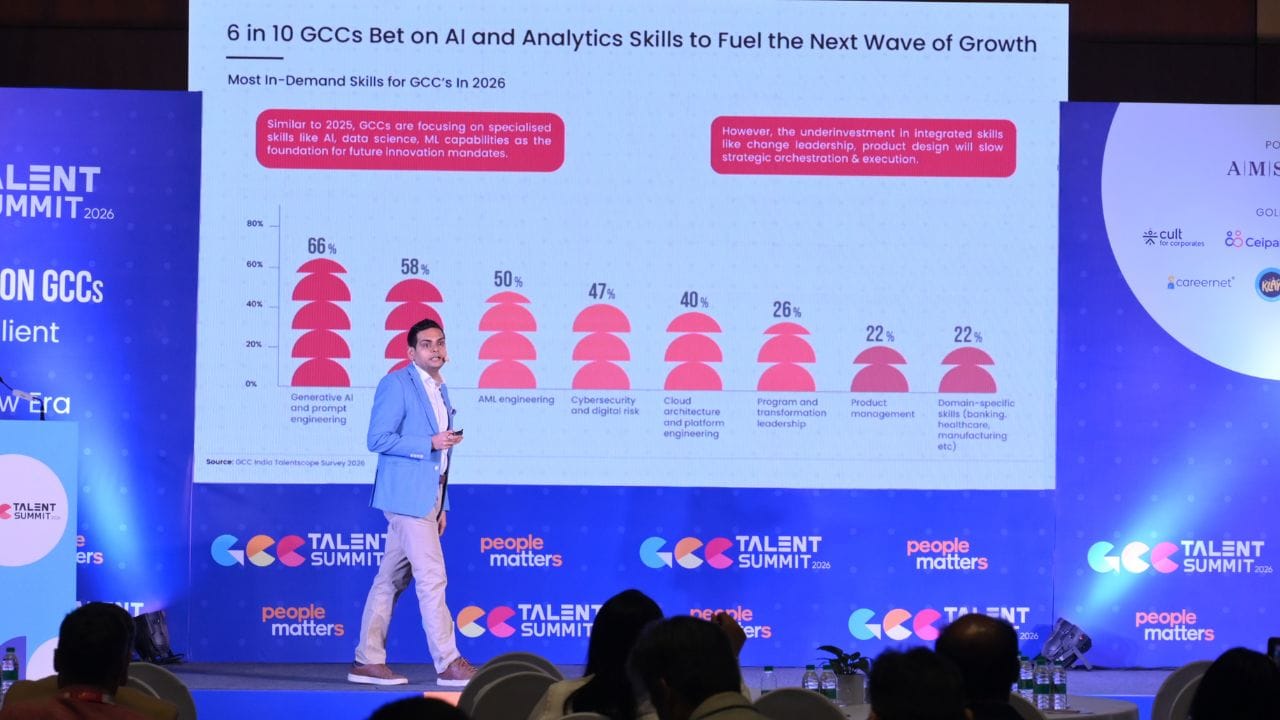
Learning and rewards undergoing change
As skills become central to workforce strategy, learning systems are also evolving.
Organisations are experimenting with digital learning platforms, microlearning and AI-enabled training programmes. However, employees increasingly expect personalised learning pathways that connect directly to career growth.
Compensation structures are being reimagined. Companies are exploring skills-based reward models that value capabilities over job titles, while also responding to rising calls for pay transparency and fairness.
Wellbeing is climbing the priority list, especially as organisations grapple with burnout and work-life balance in demanding digital roles.
Bidwai also spotlighted the critical role of internal career mobility.
While many organisations have introduced mobility frameworks, implementation often remains uneven. In many cases, internal movement is constrained by rigid job structures or managerial practices that discourage talent movement.
“If employees cannot see career growth inside the organisation, they will eventually look for it elsewhere,” he said.
He said that boosting mobility means organisations must shine a light on internal skills and link them to new opportunities across the business.
Execution will determine the winners
Technology will keep reshaping workforce strategy, as organisations invest in AI-powered recruitment, personalised learning platforms and advanced workforce analytics.
Yet conversations at the Hyderabad summit made it clear: technology alone will not guarantee success.
Execution will.
As global companies continue to expand their strategic operations in India, the ability to identify, develop and deploy skills quickly will become a defining competitive advantage.
For GCC leaders navigating this transition, the message from the summit was direct: in the emerging talent economy, skills—not roles—will determine organisational strength.
Loading...