







Leadership
The Empathy Equation: Ranjan Sarkar’s strategic reimagining of leadership at LNJ Bhilwara
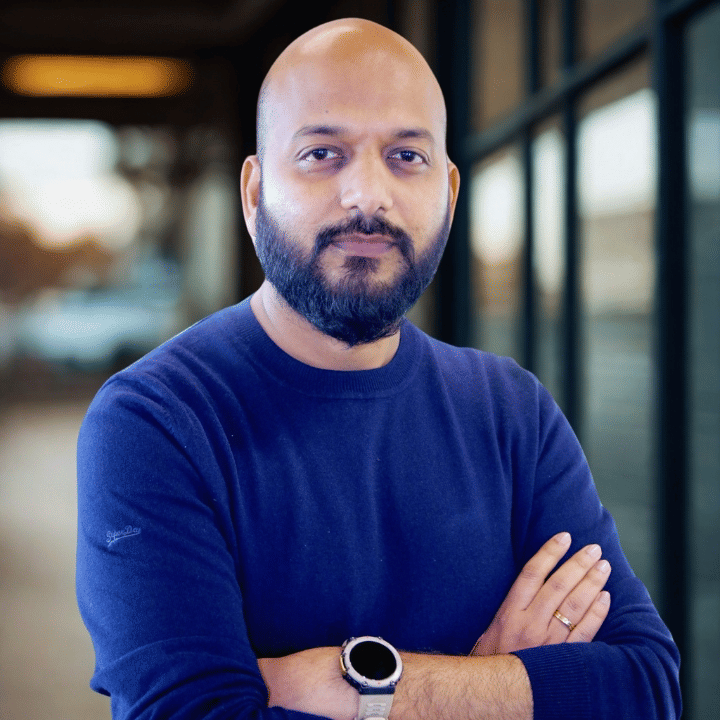




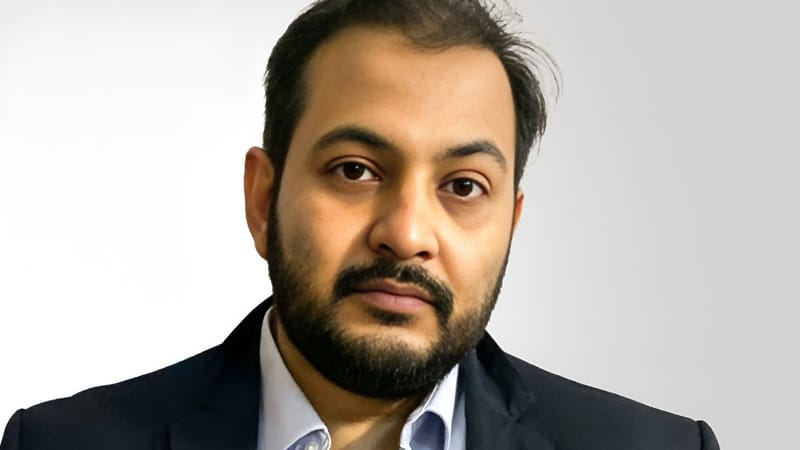
Relentless focus on logic and analytics should not come at the cost of emotional intelligence, feels Sarkar. “The balance between using data and retaining empathy is what will define successful leaders in the AI age,” he stressed.
In the shifting sands of India’s corporate landscape, where old industries intersect with new-age technologies and global talent battles, leaders are being called to reinvent themselves. At the forefront of this evolution is Ranjan Sarkar, Group CHRO of LNJ Bhilwara Group, a conglomerate straddling textiles, graphite, advanced batteries, and renewables.
With nearly 30 years of experience across industry giants, Sarkar has witnessed and steered the transformation of leadership itself. In this exclusive interview, he offers a window into the ethos driving the group and the changing expectations from HR leaders in a world shaped by empathy, innovation, and relentless change.
A talent dilemma in the land of abundance
India, with its vast population and burgeoning university output, remains in a curious bind. As Sarkar points out, “We have people, but good people are still limited.” He notes a paradox that has persisted across his three-decade journey: while the bottom of the talent pyramid teems with graduates and postgraduates, the upper echelons—those capable of true leadership—remain scarce.
“At the CEO level, even today, 10–15% are brought in from abroad, which speaks volumes. It’s not a shortage of numbers, but a shortage of exceptional, holistic talent.”
This scarcity is thrown into sharp relief by conglomerates like LNJ Bhilwara, which make bold bets on sunrise sectors. The group, Sarkar explains, is investing heavily in renewables, battery materials, and advanced manufacturing, areas that demand new skills and mindsets.
“Renewables is a sector every group with capital is entering. There is a huge talent pull, but not enough leaders with both domain expertise and the ability to manage large, diverse teams.”
While India’s growing start-up ecosystem and influx of capital have created a flurry of opportunities, they have also intensified the competition for senior talent. “There is a huge talent base at the bottom of the pyramid, but at the middle to top, those who have really built that skill are still few. That's the fundamental challenge,” Sarkar observes, underscoring the need for companies to build, not just hire, tomorrow’s leaders.
The Shifting Role of the CHRO: From transactions to transformation
The contours of the CHRO role have changed dramatically, particularly in the wake of the pandemic and the rise of multi-generational workforces. “Earlier, HR was viewed as transactional. Today, the CHRO’s role is predominantly strategic,” says Sarkar. As family-owned businesses enter their third generation, operational control is shifting from founders to professional managers. “Promoters are less hands-on now, acting as investors and delegating execution to professional CEOs. This has fundamentally altered how HR functions.”
Sarkar’s own day-to-day reflects this shift: “Eighty percent of my time now is about advocacy; aligning executive teams, working with the board, influencing key opinion makers, and acting as an emotional anchor to leadership. The transactional work, like recruitment, appraisals, and routine HR operations, is handled by specialist teams.”
He adds, “The CHRO’s partnership with the CEO is crucial. CEOs today have tough, time-bound mandates and immense pressure to deliver. It is a lonely job, and the CHRO must provide not just professional support, but also emotional stability and advocacy for necessary change.”
Modern CHROs, Sarkar emphasises, must act as both learning partners and change advocates for their CEOs. “It’s about influencing, nudging, and aligning the top leadership to the group’s vision, not just managing HR processes. If the chemistry or credibility with the CEO is missing, the function becomes dysfunctional.”
Leadership for a Fast-Changing World: Empathy, ownership, and adaptability
What does leadership look like in this era of disruption? Sarkar is clear: “Leadership is moving away from command-and-control to a more adaptive, purpose-driven style.” Today’s leaders are required to spend more time explaining their rationale, inviting diverse viewpoints, and fostering a culture of ownership.
“Leaders now must act with a promoter’s mindset, not just as functional heads,” he says. “This sense of ownership, thinking like an entrepreneur, has become a competency in itself. It wasn’t there fifteen years ago, but now, top companies expect leaders to act as true business owners, not just managers.”
One way companies are encouraging this shift is through ESOPs and long-term incentives, designed to align professional leaders' interests with business outcomes. “When leaders are invested in the company’s future, they make decisions for the long term, not just short-term gains,” Sarkar notes.
Yet, in a world obsessed with data, automation, and AI-driven systems, Sarkar believes empathy remains the ultimate differentiator. “We can’t lose sight of human connection. True leaders are those who show empathy to their teams. In a data-driven world, it’s easy to forget the power of a simple conversation, or the impact of understanding someone’s struggles.”
He warns that the relentless focus on logic and analytics should not come at the cost of emotional intelligence. “The balance between using data and retaining empathy is what will define successful leaders in the AI age.”
Honouring tradition, embracing change
The LNJ Bhilwara Group is a study in contrasts. Its textile business—a core legacy—remains heavily labour-intensive, employing over 25,000 blue-collar workers and around 4,000 white-collar professionals. Meanwhile, its new ventures in renewables, battery materials, and graphite are capital- and technology-heavy, requiring fewer but far more specialised staff.
Sarkar explains how the group navigates this duality. “We are automating and modernising our textile factories, introducing Industry 4.0 practices and advanced machinery. But we do this with empathy—we use natural attrition and retirement, not abrupt layoffs, to manage workforce transitions. The promoters are genuinely caring. They’d rather take a slight hit on profits than disrupt the lives of loyal employees.”
He elaborates, “Even the lowest-level staff, like drivers, are retained where possible. There’s a deep belief in nurturing a stable, trusted workforce. At the same time, new factories—like our upcoming anode plant near Indore—are being built with cutting-edge AI-led technology from day one, optimising for skills and efficiency.”
This careful balance reflects the group’s values: honouring legacy businesses while wholeheartedly embracing the future.
The Retention Challenge: Building pipelines, improving conditions
Labour-intensive industries are perennially plagued by high attrition. Sarkar is pragmatic: “In textiles, 20% attrition is normal; 30% is high. Workers can move for even small pay increases or slightly better conditions.” Rather than fighting this, the group has embraced a pipeline approach: continuous training and a steady pool of workers in development ensure the business can absorb churn without disruption.
Improving work conditions is a constant focus—reducing pollution, enhancing workplace safety, and streamlining processes to make factories more worker-friendly. “We operate within certain cost constraints, but we strive to make the environment as supportive as possible. Over time, salary increments will help, but environmental factors matter just as much,” he says.
“Retention is a challenge, but it’s about managing the supply chain of human resources—having a pipeline of trained workers, and accepting some level of attrition as part of the business reality,” Sarkar notes.
Preparing for the Future: Agility, transparency, and diversity
Looking to the next five years, Sarkar envisions a group transformed by its new ventures, but still rooted in its core values. “Our textile and graphite businesses will continue to grow steadily. But the real engine of growth will be renewables and batteries—these are the sectors where we’re allocating most of our capital and management bandwidth. We want these businesses to rival our legacy sectors in scale.”
This diversity of businesses requires a flexible HR strategy. “There is no common way to manage talent across such different domains. Each business has its own benchmarks and best practices. For mature sectors like graphite, stability and incremental leadership development suffice. For high-growth areas like renewables, we need aggressive talent acquisition, retention planning, and future-skills development.”
Transparency and fairness, especially in performance management and compensation, are non-negotiable. “Opaque systems don’t work anymore. Every HR process—from goal-setting to rewards—must be clearly communicated and perceived as fair.”
He also champions flexible working models: “One size does not fit all. Within the same group, we may have different structures for managers, technocrats, and creative professionals. Work-from-home and hybrid models are here to stay, and we must manage this complexity.”
Diversity and inclusivity extend beyond gender. “We need people from varied backgrounds—engineering, social sciences, creative fields—to create a true melting pot of ideas. A clannish approach limits an organisation’s ability to innovate and adapt.”
Talent Development: Beyond training to true capability building
Sarkar is unequivocal: the era of blanket training for all is over. “Adult learning is nuanced. Leadership development should be selective and high-stakes—focus on those with the highest potential. For the rest, especially at the junior and middle levels, the focus must be on skill-building relevant to new technologies and ways of working.”
He calls for national alignment on skill development involving companies, universities, and the government. “India cannot aspire to global competitiveness without massive investment in skilling. As automation spreads, the same people can be redeployed, but only if their skills are upgraded.”
Ultimately, Sarkar’s vision for leadership, and for LNJ Bhilwara Group, is grounded in empathy, fairness, and adaptability. “The world is changing, but people’s need for connection and understanding remains. Technology can never replace that. It’s up to leaders to keep humanity at the heart of business.”
As Sarkar concludes, “It’s about looking at every segment of our workforce through its own lens, not with a single formula. That’s how you build a resilient, future-ready organisation—one that grows, adapts, and cares.”
Author
Loading...