







Leadership
The New Engineering Mandate: Learn to learn, not just to code
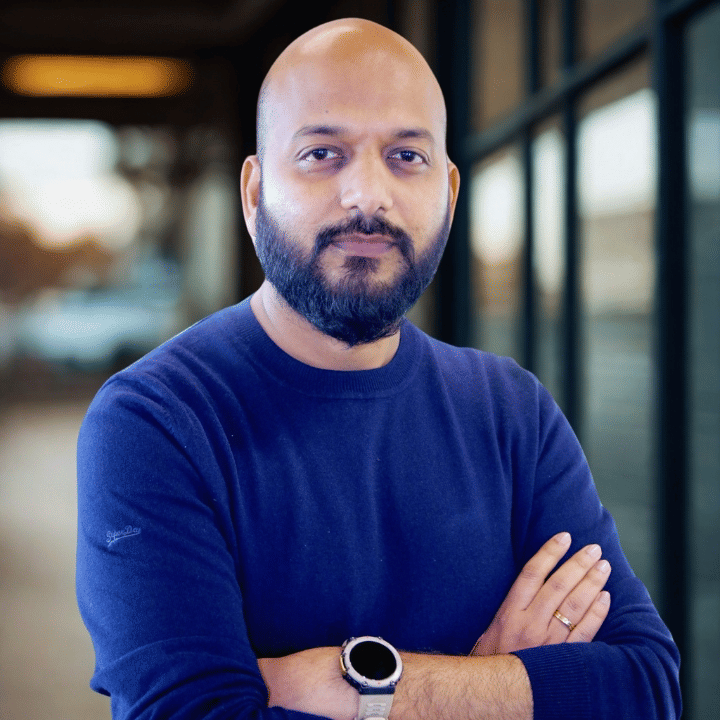




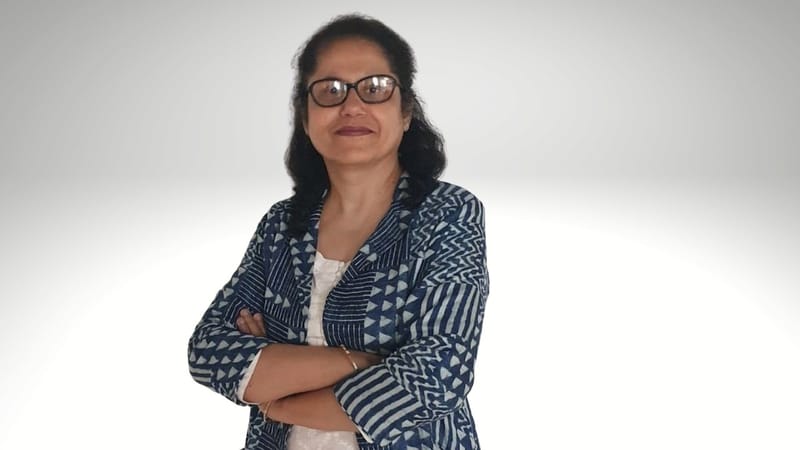
Engineers will no longer just build systems; they will co-create with intelligent machines and evolve their skills in response to rapid tech change.
On Engineer's Day, India faces a paradox: it is home to a vast pool of engineering talent, yet a persistent gap exists between academic training and industry needs. This challenge is more urgent than ever, as the country positions itself as a global hub for technology and innovation. In this exclusive interview, Dr. Sudatta Kar, Vice President of Engineering and R&D for India at Capgemini, provides a candid and compelling perspective on this critical issue.
On this Engineer's Day, Dr. Kar delves into the skills missing from a typical engineering curriculum and shares Capgemini's bold, ecosystem-level strategy for cultivating future-ready talent. She outlines how the company is moving beyond a traditional hiring model to shape the workforce through deep partnerships with academia actively. The conversation examines the profound changes introduced by AI, the emergence of the "full-stack engineer," and what will be the defining competencies essential for tomorrow's engineers. Edited excerpts
India produces millions of engineering graduates annually, yet a significant portion are not considered job-ready. From your vantage point, what are the most critical skills—both technical and soft—that a typical engineering curriculum in India is failing to impart? How can academia and industry collaborate to address this issue?
India's engineering education system produces millions of graduates annually, but a noticeable gap often exists between academic learning and industry readiness. There is a need to focus on practical application, creativity, and exposure to real-world problem-solving. Additionally, essential soft skills such as critical thinking, collaboration, and adaptability need to be developed through traditional curricula. While academic programs provide a strong theoretical foundation, industry readiness can be enhanced through greater integration of experiential learning, internships, and project-based approaches.
As a result, many companies play a vital role in nurturing these skills through on-the-job training and mentorship, helping bridge the gap and unlock the full potential of engineering talent.
To address this, Capgemini has adopted a structured, ecosystem-level strategy focused on co-creating talent through deep partnerships with academia. Capgemini partners with top-tier institutions to embed industry-relevant skills into academic programs. These partnerships span critical domains such as Intelligent Industry, 5G, Embedded Systems, VLSI, MBSE, PLM, Cloud, DevOps, and Full Stack Development. Through various initiatives, we co-design curricula in collaboration with university approvals, offer internships, lab-based skill development models, hackathons, faculty development programs, and mentorship programs.
The "full-stack engineer" is an ideal for many companies. How is Capgemini developing this multi-disciplinary talent internally? What is your strategy to help engineers move beyond a narrow specialisation and become versatile problem-solvers?
At Capgemini, the concept of a "full-stack engineer" is not a fixed role but a dynamic mindset. Rather than defining a rigid job description, we foster versatile problem-solvers who grow across domains and into leadership through a "spider-web" career path—expansion in horizontal skills while specialising in a vertical, and in turn earning industry-recognised certifications.
This is supported by hands-on, blended learning through our internal learning platforms, such as "Next" and "LEAD," which offer curated, full-stack pathways. Capgemini's digital learning ecosystem offers round-the-clock access to over 250,000 courses and 3 million learning activities.
The curriculum encompasses both technical and soft skills, ranging from Cloud and AI to Empathic Listening and Intercultural Awareness. This is augmented by internal job rotation programs and innovation programs that solve real-world problems using emerging technologies, as part of hackathons and think tanks. The goal is to move engineers from "task executors" to "solution architects." So, the full-stack engineer is not just a coder—it's a mindset of end-to-end ownership.
AI is fundamentally changing the nature of engineering work. How is Capgemini leveraging AI to redefine the role of an engineer? What new roles or skill sets are emerging within your organisation that did not exist five years ago?
Capgemini is actively leveraging AI to transform engineering roles, aligning with the broader industry shift toward intelligent, data-driven, and automated systems. Capgemini is leveraging AI in engineering, including creating intelligent automation, AI-augmented product development, and smart factories that combine AI/IoT/Cloud. Capgemini designs sustainable systems using AI insights.
AI is transforming engineering from a code-centric to a data- and outcome-centric approach. Capgemini's AI Integration includes two key dimensions: 1) AI-augmented development life cycle using AI tools, and Capgemini's own AI accelerators help engineers increase efficiency in terms of both accuracy and speed. 2) New roles like prompt engineer, MLOps specialist, AI systems engineer, data-driven design engineer, AI product owner, edge AI engineer, AI ethics specialist, etc, are created. Capgemini is redefining engineering as a blend of data fluency, domain knowledge, and design thinking.
Many young engineers fear that AI could make their skills obsolete. How do you address this anxiety and foster a culture where your teams see AI as a powerful co-pilot, not a threat? What specific upskilling programs are you running to ensure your workforce is AI-fluent?
At Capgemini, we are constantly reframing the relationship between humans and AI. Our view is that AI is a powerful co-pilot that augments human capabilities, freeing them from repetitive, mundane tasks to focus on higher-value work.
By integrating generative AI across the Software Development Life Cycle (SDLC), the company automates repetitive tasks, such as writing boilerplate code and documentation. This reduces cognitive fatigue, freeing engineers to focus on higher-value, creative work, such as prototyping and solving complex features.
To ensure its workforce is AI-fluent, Capgemini runs the AI Academy Practitioner's Program. This tiered curriculum provides practical, hands-on training in key technical skills, including Python, ML algorithms, statistics, and NLP. The program, with its functional and technical tracks, ensures that the entire workforce, from business leads to technical practitioners, is equipped to drive AI-enabled transformation.
Within Capgemini, AI is treated as a co-pilot, not a competitor. Programs like AI Literacy for All drive Mandatory AI fluency programs across levels. "AI for Engineers" bootcamps, GenAI labs, and certifications drive upskilling tracks. Engineers are encouraged to develop AI tools for internal use, fostering ownership and curiosity through a culture of experimentation.
The war for tech talent in India is intense. Beyond salary, what unique value proposition does Capgemini offer to attract and retain top-tier engineering talent? How do you ensure your best engineers have a compelling reason to build their careers with you?
Capgemini's value proposition extends beyond salary to attract and retain top-tier engineering talent, leveraging its ethical culture and sense of purpose. The company's identity is built on seven core values—Honesty, Boldness, Trust, Freedom, Fun, Modesty, and Team Spirit—and has been recognised as one of the "World's Most Ethical Companies" for 13 consecutive years. This reputation is a powerful draw for professionals seeking integrity and purposeful work.
A human-centric culture, supported by leadership, plays a vital role in employee retention. Capgemini's leadership philosophy promotes well-being through initiatives such as a balanced workweek, regular employee feedback, and quarterly promotion cycles. The company's people-first approach reflects its belief that transformation is driven by employees, not imposed on them. Focusing on people is central to the company's philosophy, which holds that transformation is not imposed on employees; instead, it is driven by them.
Capgemini's Talent Value Proposition include a global mobility program that provides opportunities to work on global projects and with Fortune 500 clients. Purpose-driven work focuses on sustainability, digital inclusion, and ethical AI. Career crafting includes personalised learning journeys, leadership tracks, and internal gig marketplaces. Retention strategy drives initiatives in career longevity, and not just job satisfaction.
How is the rise of Global Capability Centres (GCCs) reshaping the talent landscape in India?
The rise of Global Capability Centres (GCCs) has fundamentally reshaped the Indian tech talent landscape, with these centres evolving from "extended workbenches" to innovation hubs. GCCs are now driving high-value mandates in cutting-edge technologies like AI, cloud engineering, and data science. The competitive dynamic is no longer just about scale but about the promise of purposeful and impactful work.
This shift has raised the bar of engineering talent and created demand in the area of product thinking, design-led development, and platform engineering. It is creating demand for highly skilled talent with domain expertise and advanced technical capabilities. There is growing demand for professionals with cross-functional capabilities, as GCCs increasingly collaborate with global teams. This calls for strong skills in communication, teamwork, and the ability to navigate diverse cultural contexts. Capgemini partners with several GCCs to co-develop talent pipelines and innovation labs.
Looking ahead to 2030, what will be the single most defining characteristic of a successful engineer? What strategic imperatives must organisations embrace today to cultivate that talent for tomorrow?
By 2030, the most defining characteristic of a successful engineer will be adaptive intelligence—the ability to seamlessly integrate technical expertise with AI fluency, ethical reasoning, and cross-disciplinary collaboration. Engineers will no longer just build systems; they will co-create with intelligent machines and continuously evolve their skills in response to rapid technological change. This shift demands not only technical depth but also creativity, systems thinking, and a strong sense of responsibility toward societal and environmental impact.
To cultivate this kind of talent, organisations must act now by embedding AI literacy across engineering roles, fostering a culture of lifelong learning, and redesigning teams to be agile and interdisciplinary. Strategic investments in digital infrastructure, ethical AI frameworks, and human-centric design practices will be essential. Companies must also prioritise experiential learning—through innovation labs, real-world simulations, and cross-functional projects.
From your personal leadership journey, what is the most critical lesson you've learned about managing engineering talent, and how has that shaped your philosophy on people development?
One of the most critical lessons in managing engineering talent is the importance of empowering autonomy while fostering a sense of purpose. Engineers thrive when they are given the freedom to explore, innovate, and solve problems in their own way. When individuals see how their contributions align with strategic goals and societal outcomes, they become more engaged, accountable, and creative. This balance between independence and purpose consistently drives high performance and innovation in teams.
This insight shapes our philosophy on people development, emphasising the creation of environments that foster continuous learning, psychological safety, and meaningful collaboration. By investing in mentorship, cross-functional exposure, and real-world problem-solving opportunities, we aim to stretch both technical and leadership capabilities. Today's engineering talent needs more than just technical mastery—they need adaptability, empathy, and the ability to lead through complexity. Therefore, we must develop people not just for the roles they hold today, but for the challenges they'll face tomorrow.
National Engineer's Day is a celebration of the profession. What is one piece of advice you would give to an aspiring engineer in India today?
"Don't just learn to code—learn to learn, learn to think, and learn to adapt." The future belongs to engineers who can solve real problems, work with empathy, and learn faster than the change itself.
Topics
Author
Loading...