







Leadership
The Untold Secrets Behind Successful Mergers: Binu Philip reveals what most leaders miss
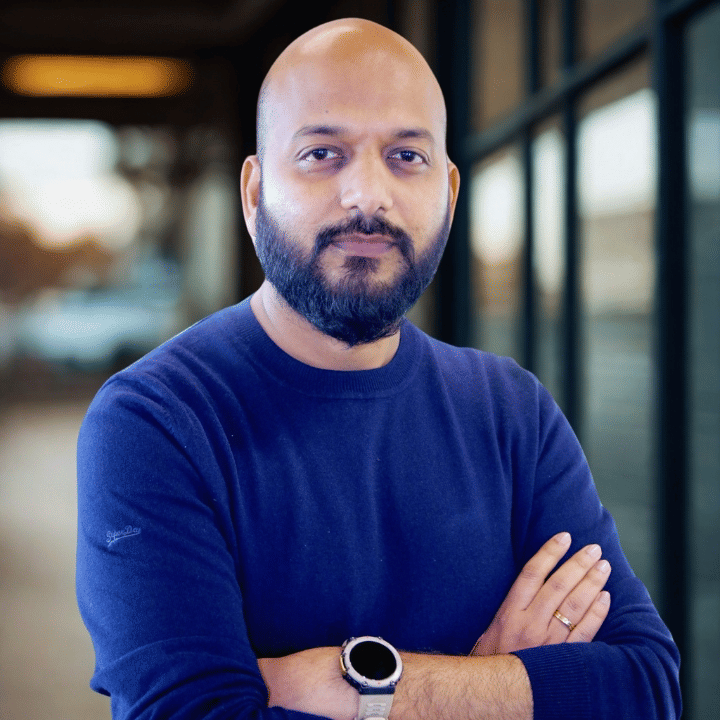




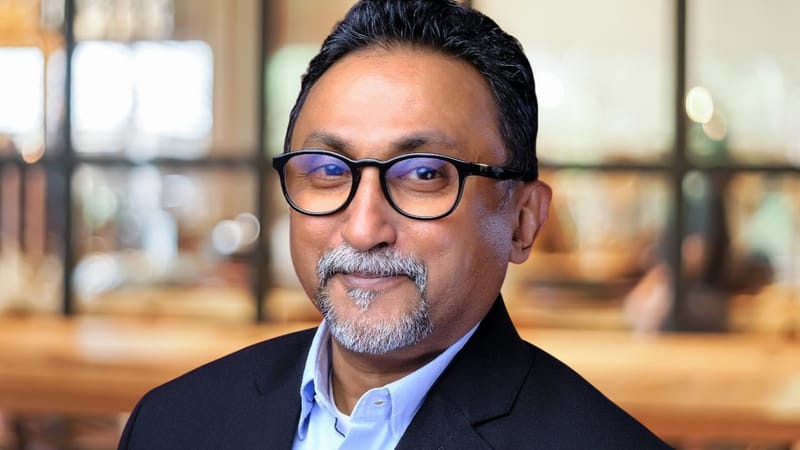
According to Philip there is no single recipe for a successful M&A. "Every time you are entering uncharted territory," he reflects, highlighting that the people side of integration is the most unpredictable and critical factor.
In the ever-evolving world of business, mergers and acquisitions (M&A) are often seen as the ultimate test of an organisation’s resilience, culture, and leadership. For Binu Philip, the Chief Human Resources Officer (CHRO), Greater India at Schneider Electric, these corporate crossroads are not just about numbers; they are about people.
In an exclusive interview with People Matters, Philip shares candid insights on navigating complex integrations, nurturing talent, and building a future-ready workplace.
Mergers & Acquisitions: More than a playbook—A human story
Philip’s journey through some of India’s most significant M&A events reads like a casebook for HR leaders. From his early experiences with landmark telecom mergers—Escorts’ joint venture with AT&T, Birla, and Tata, to overseeing the Nokia-Microsoft integration for India, the Middle East, and Africa, and most recently, steering the high-profile Schneider Electric-L&T Electrical & Automation merger, Philip has seen first-hand the complexities and opportunities these moments bring.
He stresses that there is no single recipe for a successful M&A. "Every time you are entering uncharted territory," he reflects, highlighting that the people side of integration is the most unpredictable and critical factor. When Schneider Electric acquired L&T’s E&A business, the challenge was profound: two direct competitors, each with strong but distinctly different cultures and policies, suddenly had to work as one. The integration affected nearly 10,000 employees across multiple countries.
What set this merger apart—and has since been chronicled as a case study in Harvard Business Publications and IIM Lucknow—was the unwavering focus on people. "People do not resist change as much as they become anxious when faced with ambiguity," says Philip. For him, the antidote is clarity: clear communication, transparent decision-making, and, most crucially, a shared sense of identity.
“We called it a ‘merger of equals.’ That language created respect and confidence on all sides. Every decision from compensation to leadership roles was tested against this principle,” he explains.
The value proposition was equally compelling: ‘infinite possibilities’ for business, employees, and customers alike. This guiding philosophy became the bedrock of the integration, and the results spoke volumes. Within months, employee engagement scores among the newly acquired workforce surpassed those of legacy Schneider staff—a testament to the trust and authenticity embedded in the process.
Transparency, Philip insists, is non-negotiable. “Sometimes, you have to be transparent about what you cannot do. That honesty builds long-term trust, even if it means difficult conversations,” he shares.
The phased approach to integration—deliberately staggering changes in policies and compensation—gave employees the time to process, adapt, and build confidence in the new entity.
The Evolving Role of HR: From caregivers to strategic business partners
While M&A may be the crucible, the broader transformation of the HR function is equally remarkable. Philip’s own career arc from aspiring doctor to psychologist to HR leader mirrors the expanding remit of HR in modern organisations.
In the post-pandemic world, he observes, HR has moved from the periphery to the strategic core. “In strong organisations, HR now plays a significant role in shaping business strategy, not just executing it. Creating a diverse, inclusive, and global workplace is now central to driving growth and innovation,” he says.
His leadership style has similarly evolved—from being hands-on and directive to coaching, mentoring, and enabling teams. “Knowledge isn’t hierarchical anymore. Today, everyone has access to information, and leadership is about 360-degree learning,” Philip notes. At Schneider, aligning with organisational purpose, especially around sustainability and social impact, is a non-negotiable anchor.
AI, digital transformation, and the new skills paradigm
The conversation inevitably turns to one of the defining forces of our time: artificial intelligence. As AI reshapes work, Philip sees HR playing several pivotal roles. First, as a steward of empathy, helping people navigate the anxieties of technological change. “People must feel safe with AI, not just understand it,” he says, underscoring the need for emotional intelligence and storytelling in driving adoption.
Second, HR must bridge the generational digital divide, ensuring that both early-career professionals and senior leaders are equipped to thrive.
At Schneider, initiatives like digital fluency assessments, access to learning tools, and internal AI hubs are democratising upskilling. “AI is not a standalone technology anymore—it’s embedded in everything we do. Learning agility is now the key to career growth,” Philip stresses.
He also highlights the importance of responsible AI stewardship. As organisations deploy AI in people processes, HR’s role as an independent governor, questioning bias, ensuring fairness, and overseeing ethical use, becomes ever more vital.
Culture, diversity, and the purpose-driven enterprise
For Philip, culture is more than a slogan; it is a lived experience. Schneider Electric’s culture is rooted in purpose: building a sustainable, inclusive world. The company’s consistent ranking by TIME magazine as the world’s most sustainable company is no accident. “Sustainability for us goes beyond green initiatives. It includes gender pay equity, access to energy, and equal opportunity,” he explains. With 34 percent gender diversity in India and 40 percent women in commercial leadership, Schneider has made tangible progress on inclusion.
A strong culture of empowerment and innovation is also central. The company’s multi-hub leadership model ensures that talent and decision-making are distributed globally rather than concentrated at headquarters. “Leadership can come from anywhere. That’s how we spur innovation and stay local in every market,” Philip says.
He recounts how the culture was stress-tested during the L&T integration and the COVID-19 pandemic. Despite turbulence, Schneider stuck to its mission—pushing forward with gender diversity goals and integrating thousands of new employees with care and empathy. “Our engagement scores and business performance proved that our values held firm, even under pressure,” he reflects.
From HR Metrics to Business Outcomes: The new mandate
Looking ahead, Philip is clear: HR leaders must move beyond traditional metrics and immerse themselves in business outcomes. “HR’s job is no longer just about hiring numbers or service delivery. We must be at the strategy table, accountable for talent, culture, and future-proofing the business,” he asserts. At Schneider, this expectation comes directly from the CEO, who holds HR leaders responsible for aligning people strategy with P&L goals.
He adds, “It’s a two-way street. HR must be willing to step out of the comfort zone of operations and engage in conversations that shape business value. That’s where the real impact lies.”
Skills, agility, and the future of talent
In a world where the shelf-life of skills is shrinking, Schneider is pivoting to a skills-first talent model. “We are moving from hiring for degrees to hiring for skills. Our AI-powered Career Hub helps employees map their skills, interests, and opportunities, encouraging continuous self-assessment and growth,” Philip shares.
He advocates for "T-shaped" careers—where professionals build deep expertise in one area but also develop broad skills across domains. “Learning agility and fungibility will define future success. We encourage every employee to widen their skill set to stay relevant and grow.”
Infinite possibilities
Philip’s vision for the future is both pragmatic and hopeful. “The next decade will be incredibly exciting for HR and business. Technology will bring agents, humanoids, and humans together in ways we can’t yet fully imagine. But with a clear purpose, empathy, and a relentless focus on skills and inclusion, we can turn uncertainty into infinite possibilities.”
His journey—and Schneider Electric India’s—demonstrates that even in the most complex mergers, in the face of technological disruption, and amidst global uncertainty, it is people, culture, and purpose that chart the path forward.
Topics
Author
Loading...