







Leadership
The Untold Story of Castrol India’s People-First Transformation — In conversation with Maria Valles



 ||
||Updated on


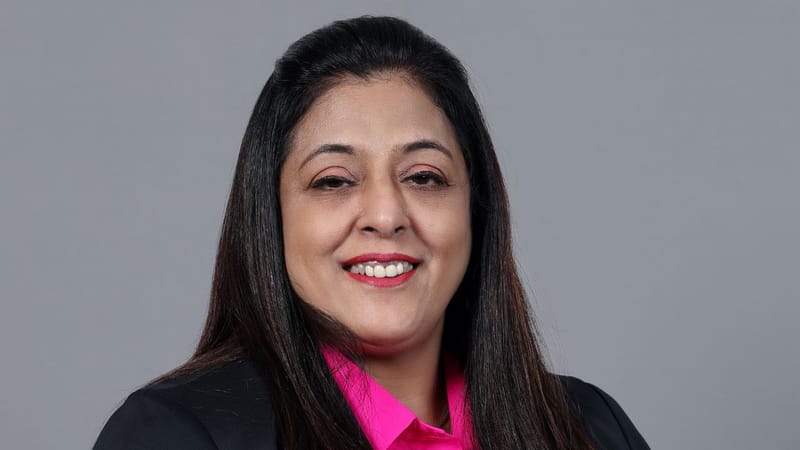
The enduring part of our culture is about being present and supportive in small, meaningful ways—like helping someone on maternity leave or simply being there for a colleague. While performance metrics show outcomes, they don’t capture this essence, feels Valles.
In the world of business, numbers often take centre stage. But for Maria Valles, Vice President-HR at Castrol India, the real story lies in the people behind those numbers. In this People Matters conversation, Valles opens up about what truly makes Castrol India thrive—not just impressive metrics, but the “Castrol magic” that comes from a culture of caring, support, and genuine connection.
From steering the company through decades of change to championing innovative people practices and embracing sustainability, Valles shares how Castrol India’s people-first approach is the glue that holds everything together. She reflects on the lessons learned from bringing employees and distributors together, adapting to hybrid work, and investing in learning and technology. Her insights are a refreshing reminder that, at the heart of every strong organisation, lies a commitment to listening, collaboration, and helping one another grow. Edited excerpts
You have spent over 23 years at Castrol, witnessing business cycles, industry shifts, and organisational evolution. What have you learned about how people and culture evolve in ways that sometimes even metrics cannot capture?
The key takeaway is that people join and stay not just for the organisation, but for the people within it. In an industry like lubricants, where the product isn’t visible or tangible like a soap or shampoo, it’s the people who make the difference. Our culture—what we call the “Castrol magic”—is built on the passion and performance of our people. This comes through in the stories they share, as seen on our Castrol Kahani LinkedIn page, where both current and former employees talk about the positive impact Castrol has had on their lives.
The enduring part of our culture is about being present and supportive in small, meaningful ways—like helping someone on maternity leave or simply being there for a colleague. While performance metrics show outcomes, they don’t capture this essence. Our low attrition rates, especially post-COVID, when they dropped to below 5 percent, reflect our strong underlying culture. Ultimately, transparency, genuine communication, and leadership’s willingness to address even difficult questions have helped us stay tightly knit and deliver strong performance.
Can you share one people decision or initiative at Castrol that has stood the test of time, especially in shaping how teams embrace change?
About a decade ago, we decided to hold a single, company-wide national conference for all employees. Previously, each function had its own annual get-together, but bringing everyone together under one roof was a game-changer. This annual conference—held physically or virtually during COVID—brings together around 450 employees from across India and fosters connection, shared messaging, and networking. We also include our distributors, with about 300 attending, making it an 800-person event.
This approach is unique in our sector, and even our global peers haven’t done something similar at this scale. It’s become a cornerstone of our culture, helping employees and distributors connect personally, share experiences, and align around business goals. This event continues post-COVID, and people look forward to it every year as a key opportunity for engagement and alignment.
What are Castrol’s ways of working post-COVID? Is it back to the office or a hybrid model?
We currently follow a 60-40 hybrid model, encouraging employees to be in the office around 60percent of the time. Many choose to come in even more frequently. During COVID, we prioritised employee safety, allowing only those with safe transport options to come in.
As the situation normalised, we gradually brought people back, supporting those with personal needs or family obligations through our agile work policy. We also run “working agreement” sessions between teams to coordinate in-person attendance. There’s a strong emphasis on flexibility, empathy, and balancing business needs with personal circumstances, which has helped us maintain engagement and productivity.
Are there other people's policies or practices that have helped retain and engage top talent?
One notable policy is our sabbatical leave, available to employees after a certain tenure for personal development, further studies, or caregiving. Employees can return to available roles after their sabbatical, and we’ve seen colleagues—even at senior leadership levels—take sabbaticals and successfully transition back, sometimes into global roles. This flexibility supports retention and engagement of high performers.
As part of a global energy group operating in a dynamic local market, what have been the most important strategic HR shifts you’ve managed in recent years?
Castrol India sits at a unique intersection—part of a global brand, but deeply rooted in the local market. We adhere to global standards and policies, while influencing the global organisation to adapt certain practices to local needs. For example, while performance appraisals are globally mandated, we supplement this with ongoing, organisation-wide talent and performance conversations.
The key strategic shift has been embracing a mindset of constant change, coaching leaders to influence and operate across cultures, and preparing our talent to contribute to both local and global projects, even when the roles aren’t always traditional. India’s strong talent pool is recognised globally, and our focus is on upskilling and positioning our people for these evolving opportunities.
Could you share an example of a particularly challenging transition—such as a new technology or operating model—where you had to accelerate change for operational continuity?
A good example is our move toward capability centres—what some call GCCs or BTCs—where similar roles across geographies are centralised under one roof to standardise processes and offer growth opportunities. This shift required employees to let go of established local processes and adopt global tools, which was initially challenging, especially for those who had already excelled in the old system. We also had to renegotiate ways of working at our unionised plants, introducing productivity-linked pay and new shift patterns. Convincing local leadership and union representatives, addressing concerns, and coaching teams through the transition took time, but we succeeded through continuous dialogue and support. This transformation has taken several years, but we’re now seeing the benefits.
In manufacturing and industrial organisations like Castrol, how do you design people practices that balance operational discipline, like safety and precision, with employee engagement?
Safety is at the heart of everything we do, not just for our employees but for our extended workforce—distributors, transporters, and warehouse partners. We ran extensive safety campaigns, such as the “1000 Lights” initiative for transporters, and conducted regular education and audits to reinforce safe practices.
We also emphasise respect, care, and compliance in all interactions. Our policies are flexible within clear guardrails, and exceptions are escalated for consistency and fairness. Engagement is fostered through recognition, open communication, and coaching managers to focus not just on what gets done, but how it gets done. Our longstanding values and consistent application of policies have helped us build trust and loyalty across all stakeholder groups.
How is Castrol adapting to electrification trends and rising expectations around sustainability? How are you preparing your leadership for these shifts?
Future-readiness is a core part of our strategy, especially regarding sustainability. We have broken down the broader sustainability agenda into actionable targets—such as plastic recycling in our packaging, used-oil collection, and collaborating with industry partners to establish waste management ecosystems. These initiatives are tracked on our organisational scorecard and involve employees at all levels, from the shop floor to leadership.
To build leadership capability, we use a mix of formal learning, curated learning pathways (especially in digital and AI), and regular exposure to industry trends through internal and external experts. We also encourage participation in global and regional sustainability networks. This approach is not just for leaders but for employees across the organisation, fostering a culture of continuous learning and adaptation.
How do you see the role of HR and the CHRO evolving in an organisation that balances legacy operations with the need to build new growth engines?
The role of HR and the CHRO is to be the backbone and voice of reason, especially during times of change. It’s about balancing the need to react quickly with the discipline to avoid short-term, reactive decisions that could harm the long-term brand. HR must have the courage to speak up, maintain conviction, and support leadership in making decisions that ensure the organisation’s longevity. We must build the muscle for proactive thinking, strategic planning, and consistent application of values that have sustained us for over 125 years.
How is technology enabling HR at Castrol to drive change, enhance productivity, and improve employee experience?
Technology is embedded throughout the employee lifecycle—from digital onboarding and self-service HR systems to AI-enabled support and blended learning platforms. Employees can access policies, apply for leave, or complete training at their convenience, even outside regular hours. Tools like Copilot and ChatGPT are approved for use, helping with tasks like resume screening or drafting performance appraisals, freeing up time for more meaningful conversations. Digital platforms support both compliance and career development, and feedback shows these are valued by both new and experienced employees. Our HR function is often cited internally as being ahead in tech adoption, which is a positive sign.
Finally, what advice would you give to your peers facing similar industry shifts and leading the people agenda?
My advice is to keep strengthening and practicing the muscle of listening. Stay open to new perspectives, regularly connect at all levels, and make time for face-to-face interactions—whether in person or virtually. Build regular touchpoints with stakeholders to foster trust and keep a pulse on organisational sentiment. Most importantly, invest in building a strong team so you can step back from day-to-day operations and focus on being a true strategic partner.
Author
Loading...