







Organisational Culture
Beyond employee engagement: Building culture that drives business growth





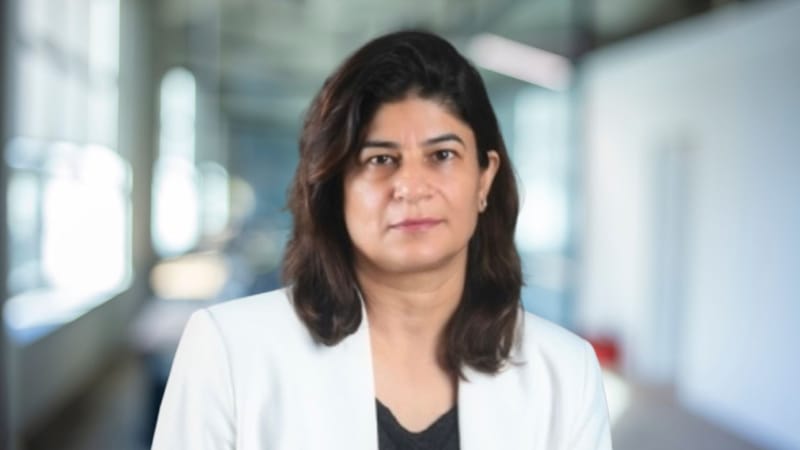
Why organisations must move beyond employee engagement to build a culture rooted in trust, continuous learning, inclusion, wellbeing and purpose.
Workplace culture, a driver of business growth, is impacting innovation, resilience and the long-term sustainability of an organization. At Honeywell Technologies , we have learned this the hard way: engagement scores can look healthy even when the underlying culture isn't ready for what comes next.
Employee engagement remains an important measure of workplace health, but on its own, it is no longer enough to build organizations that are resilient, agile, and future-ready.
As technology is moving faster, work becomes more hybrid, and competition for talent intensifies, we have shifted our own focus from simply keeping employees engaged to building an environment where they feel trusted, empowered, and continuously challenged.
What follows is not a general industry perspective — it is what we have built at Honeywell, why we built it, what it taught us, and how it shows up in business outcomes.
Listening builds trust and trust fuels performance
High-performing culture begins with trust, and trust begins with being heard. We moved beyond the single annual engagement survey to continuous listening channels, pulse check-ins, skip-level conversations, and open forums that run through the year rather than once a year.
The shift responded to a familiar problem: an annual survey gave us a snapshot, but by the time results were analyzed and action plans built, the moment that mattered to employees had often passed, and the gap between “we heard you” and “we did something about it” was where trust broke down.
What became clear along the way is that listening only builds trust when the feedback loop is closed. It is not enough to collect input; employees need to see, visibly and quickly, what changed because they spoke up.
Teams where managers closed that loop consistently showed stronger participation in later listening exercises and better cross-team collaboration — proof that listening, done well, compounds.
Continuous learning: A competitive advantage
Technology is reshaping roles faster than an annual training calendar can keep pace with, and our people told us they wanted a visible path to their next role, not just another course to complete.
Therefore, we embedded learning into everyday work rather than treating it as an occasional event, building our AI-enabled learning platform, skills-based internal mobility pathways, and structured leadership development tracks that sit alongside the daily job, not apart from it.
Along the way we learned that personalization beats volume: recommending the two or three learning paths genuinely relevant to someone's career journey drove far more engagement than a large generic catalogue, and while technology could surface the right content, it took manager ownership of development conversations to sustain it.
The result has been stronger internal mobility, deeper leadership pipelines, and a workforce better prepared to move into roles that didn't exist a few years ago.
Inclusion drives better business outcomes
We learned early that representation targets on their own don't move outcomes — hiring a more diverse workforce doesn't automatically translate into a more inclusive one if the paths to advancement aren't equally open.
So beyond diversity goals, we have invested in the infrastructure of inclusion: employee resource groups such as HYPE (Heighten Your Professional Experience), mentoring and sponsorship programs, flexible-working policies, and structured on-ramps for women returning to work and for neurodivergent and differently-abled colleagues.
What became clear is that representation must be paired with equitable opportunity; a mentoring or sponsorship relationship, or a structured return ship, did more to build a durable pipeline of diverse leaders than a hiring target ever could on its own.
The payoff shows up as richer problem-solving on cross-functional teams, a broader and more resilient leadership bench, and a stronger employer brand among the talent we most want to attract.
Recognition and wellbeing strengthen organizational resilience
Infrequent, top-down recognition wasn't reinforcing the specific behaviours we wanted people to repeat, and our people increasingly weighed wellbeing support alongside compensation when deciding whether to stay.
So, we have moved recognition beyond an annual awards cycle to real-time recognition paired with wellbeing support that includes an Employee Assistance Program, comprehensive healthcare, and programs such as our Pregnancy Care Program for expecting parents.
What we've learned is that recognition works best close to the moment it is earned, and from peers as much as from managers, while wellbeing support only becomes meaningful when leaders talk about it openly enough that using it carries no stigma. The result has been stronger day-to-day collaboration and higher retention of the talent we can least afford to lose.
Purpose creates a deeper connection to work
Our people, especially those earlier in their careers, were telling us they wanted their work to connect to something beyond quarterly targets. That's why we built platforms for purpose-driven engagement, which channels employee volunteers into STEM mentoring and school upgradation, and EARTHWISE with Honeywell, which mobilizes employees around tree plantation drives, lake clean-ups, and other sustainability actions.
What we've found is that purpose-driven volunteering builds leadership skills organically: employees who mentor students or lead a sustainability drive bring the same coordination, empathy, and ownership back to their day jobs. It shows up as a stronger sense of belonging, visible leadership development outside formal programs, and deeper community ties that reflect well on the business.
Building a culture that sustains business growth
Artificial intelligence, automation, and shifting employee expectations will keep reshaping how work gets done.
However, those organizations which will continue to develop the skills of people and leaders will become successful because of the investment in technology alone.
At Honeywell Technologies, engaging employees in decision-making processes, fostering continuous learning, practicing inclusive leadership, and enhancing the quality of life among our employees have helped us create not only a great place to work but also a highly efficient organization.
Going beyond employee engagement requires organizations to understand that culture is not an outcome of business success but rather a driving force behind it.
Organizations which will intentionally shape their culture based on trust, growth, inclusion, and purpose will be better equipped to attract talented people, foster great leadership, promote innovation, and grow their business sustainably.
Loading...