







Organisational Culture
How Arctic Wolf builds cybersecurity talent through culture and well-being





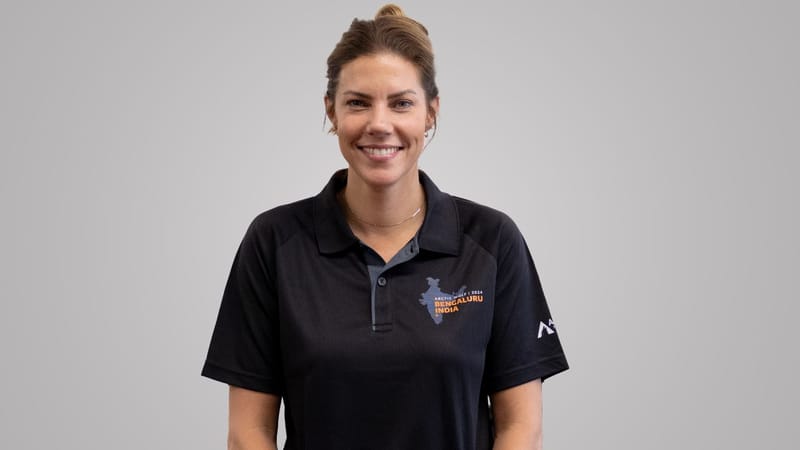
Arctic Wolf’s CPO, Kristin Dean, shares how the cybersecurity firm builds culture, retention, and mental health resilience across its growing India operations.
As Arctic Wolf marks one year of operations in India, the cybersecurity company isn’t just celebrating rapid expansion — it’s spotlighting the culture, retention, and mental health resilience that power its growth. When the firm opened its Bangalore office in October 2024, it aimed to hire 100 employees in the first year. Fast forward to today, that number has tripled to over 300, with exceptionally low attrition — a testament, says Chief People Officer Kristin Dean, to intentional culture-building and a people-first leadership approach.
"Whenever you’re growing at a fast pace, the culture has to be intentional. We’ve focused on building strong relationships, both at work and outside,” says Dean.
But for Arctic Wolf, growth has never been just about headcount. As the team expanded, leadership made employee well-being — particularly mental health — a core priority, recognising that cybersecurity’s high-intensity environment demands more than technical excellence.
Addressing the mental health stigma
Despite growing awareness, stigma around mental health continues to silence many employees across industries. Arctic Wolf has taken proactive measures to normalise conversations.
“We talk about mental health at every quarterly town hall, we have a dedicated Slack channel where employees share tools, tips, and motivational stories, and we observe Mental Health Day with activities to encourage open dialogue,” Dean explains.
The company also offers flexible time off that employees can use for mental or physical health needs. Additionally, a dedicated Employee Resource Group (ERG) focused on mental health meets monthly to design new initiatives.
Different geographies, same urgency
When asked about navigating cultural differences between the US and India in terms of openness around mental health, she is clear:
“We don’t assume that just because a culture isn’t talking about it, people aren’t experiencing it. Everyone knows someone who has struggled. We create multiple access points — some may want a hotline, others prefer group discussions. Our goal is to provide resources across geographies and personalities.”
The role of managers in preventing burnout
With cybersecurity being a high-intensity profession, burnout is a pressing risk. Dean stresses the critical role of managers in early detection.
“Our managers have weekly one-on-ones where they don’t just check on work but also on how the employee is doing. We train them to watch for workload concerns, signs of stress, and to encourage use of flexibility — like working from home to avoid long commutes in Bangalore,” she shares.
Leadership is also expected to model balance. “If leaders are burning out, their teams will mirror that. We don’t reward overwork — we reward outcomes,” Dean emphasises.
Beyond wellness: Structural shifts
Dean believes that corporate wellness programs, while necessary, are not sufficient on their own. What really sustains employees is purpose and belonging.
“Work can’t just be about deliverables. We’ve built programs like PAC Unity — which focuses on the idea of being stronger together — where employees can participate in initiatives beyond their day-to-day roles. That sense of mission, community, and fun is critical to preventing burnout,” she notes.
Preparing managers for the future
Arctic Wolf invests significantly in leadership development through its global leadership training program, which blends cultural, performance, and people management skills. Managers are trained not only in technical expertise but also in softer areas like inclusive practices, effective one-on-ones, and public speaking.
Gen Z, AI, and the next wave of cybersecurity talent
On the entry of Gen Z into the workforce, Dean is optimistic:
“What I love about Gen Z is they’re fearless. They dive into new technology, experiment, and teach others along the way. That openness, combined with our culture of collaboration, gives us a huge advantage.”
She also sees AI as a key area of growth in cybersecurity talent. The company is actively hiring developers with expertise in AI, threat intelligence, and cloud technologies.
India: A growth engine for Arctic Wolf
Dean describes India as central to Arctic Wolf’s global talent strategy. The company already operates in Bangalore and Noida, and is open to remote hiring across the country.
“When we started, we planned for 100 hires. Today we are at 300 and growing fast. The quality of talent here has been exceptional, from interns to senior leaders. It’s been so impactful that we’re reinvesting resources globally to accelerate hiring in India,” Dean says.
As Arctic Wolf steps into its second year in India, the company is betting on a powerful combination of talent, culture, and resilience to strengthen not only its cybersecurity mission but also the well-being and engagement of its people.
As Arctic Wolf continues to grow in India, its people-first approach offers a blueprint for how cybersecurity companies can build resilient, mentally healthy, and high-performing teams in a demanding digital era.
Topics
Author
Loading...