







Organisational Culture
World Suicide Prevention Day: Why psychological safety is a business imperative





The WHO data shows that one person commits suicide every 40 seconds, leading to around 800,000 people dying by suicide every year globally.
Every 40 seconds, one person dies by suicide globally, according to the World Health Organization. That adds up to nearly 800,000 lives lost each year. In India alone, the National Crime Records Bureau (NCRB) data for 2022 paints a sobering picture: family problems (31.7%) and illness (18.4%) accounted for half of all suicides, followed by drug or alcohol addiction (6.8%), marriage-related issues (4.8%), love affairs (4.5%), bankruptcy or indebtedness (4.1%), unemployment (1.9%), and professional or career problems (1.2%).
For organisations, these numbers are not just statistics—they are a call to action. As Mai Tlau, Head of Corporate Wellness Practice at Prudent Insurance Brokers, puts it:
“Mental health support systems need enhancement to better serve today’s workforce. Companies investing in comprehensive wellness programs see improved retention, higher engagement, and stronger performance metrics.”
The business case for mental health
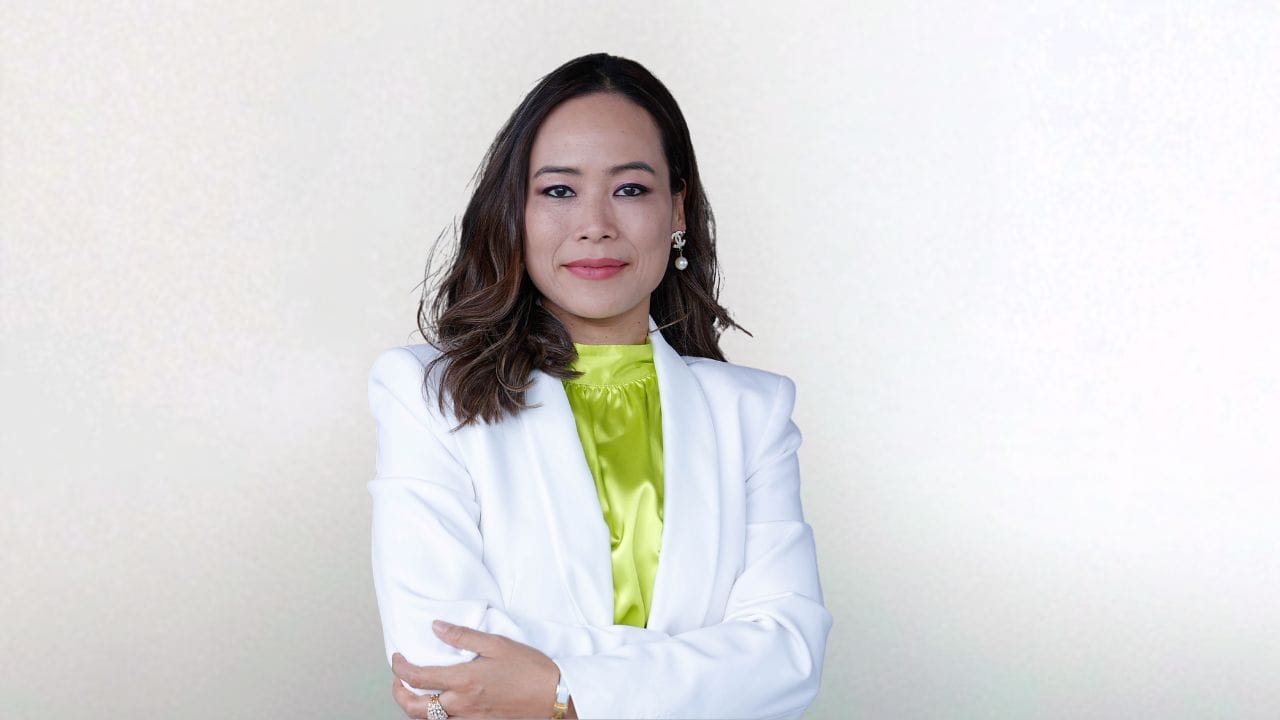
Tlau points out that the impact of workplace stress, burnout, and unaddressed mental health challenges goes far beyond individual suffering. Prudent’s claims data reveals that 10% of death claims are attributed to suicides—a stark reminder of the human and economic toll of neglect.
“Ignoring mental health destabilises culture and drains financial resilience,” she explains. “The human impact of suicide is devastating—grief, trauma, and a loss of trust ripple across teams, undermining morale and productivity. Financially, organisations shoulder hidden costs of absenteeism, presenteeism, and turnover, estimated at billions annually.”
Why systemic change is urgent
Despite the widespread availability of Employee Assistance Programs (EAPs), utilisation remains low due to stigma. Employees hesitate to seek support, fearing judgment or career repercussions. As Tlau notes, “EAPs rarely fail on quality; they fail because employees stay silent. The barrier is cultural, not clinical.”
The solution, she argues, lies in systemic workplace redesign anchored in three pillars:
Flexibility: shifting the focus from hours worked to outcomes achieved.
Inclusivity: embedding psychological safety through culture audits, rotating meeting leadership, and open dialogue.
Equity: building transparent career pathways, ensuring pay equity, and actively sponsoring underrepresented talent.
“When flexibility, inclusivity, and equity become part of the operating model, organisations don’t just reduce burnout—they drive innovation, loyalty, and trust,” she says.
Leadership as the difference-maker
Real progress depends on how leaders show up. Leaders who model vulnerability, talk openly about mental health, and integrate wellbeing into everyday interactions set the tone for psychologically safe workplaces.
Tlau emphasises three critical roles for HR leaders and top management:
Provide mental health first aid training to managers for early intervention.
Establish secure reporting mechanisms and transparent policies.
Foster authentic, consistent dialogue on wellbeing—not one-off awareness campaigns.
“True progress occurs when mental health is woven into culture, enabling prevention, not just crisis response,” she explains. “Psychological safety is not a perk; it is a business imperative. Prevention must come before crisis.”
A moment of reckoning
The workplace is evolving faster than ever, shaped by rapid digitisation, post-pandemic shifts, and rising employee expectations. For forward-looking organisations, this moment presents an opportunity to reset workplace culture. Those who treat mental health as a strategic priority, not a side initiative, will not only better support their teams but also position themselves as employers of choice in an increasingly competitive talent market.
As World Suicide Prevention Day reminds us, the cost of silence is far too high—for individuals, families, organisations, and society at large.
Author
Loading...