







Recruiting & Onboarding
Manoj Nagpal reveals OpenText India's strategy to build a 10,000-talent engine
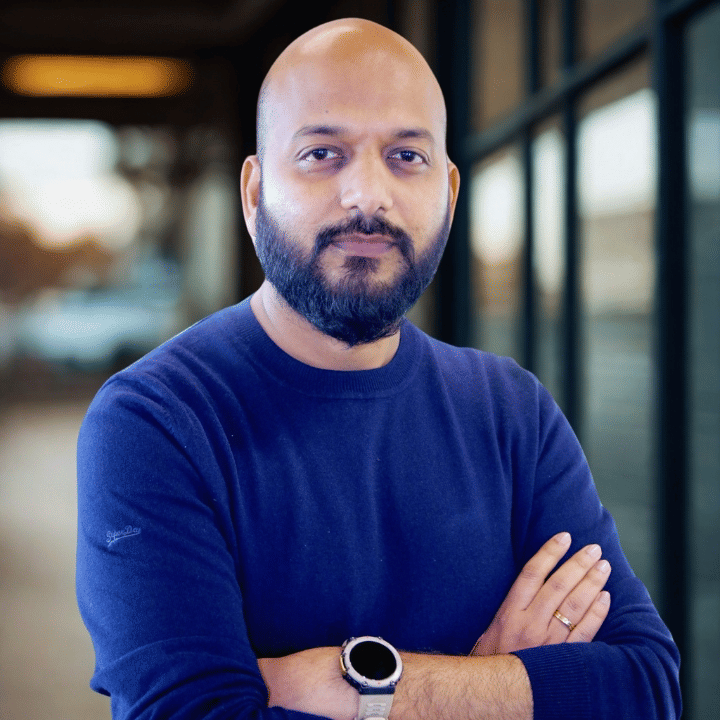




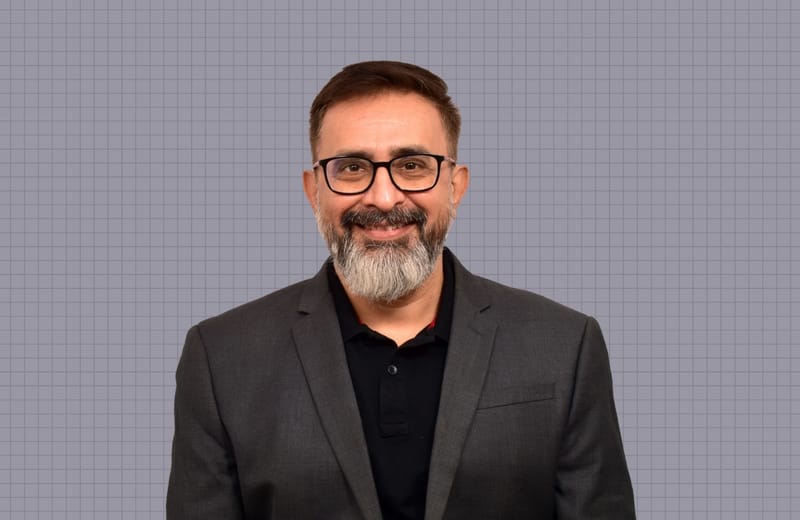
We put strong emphasis on skills-first hiring, ensuring individual skills are matched to their roles, said Nagpal.
India's tech talent landscape is currently the most dynamic and competitive in the world, positioning itself not just as a hub for services but as the engine room for global AI-driven innovation. Amidst this fierce war for skills, OpenText has emerged as a powerhouse, demonstrating that hyper-growth can be achieved through strategic precision rather than merely scaling headcount.
OpenText's journey in India is a case study in strategic scaling: its Bengaluru workforce has tripled in just two years, and the company plans to scale from 6,500 employees to nearly 10,000 in the coming years.
People Matters interacted with Manoj Nagpal, MD of OpenText India & VP, Professional Services, who leads this remarkable transformation. Nagpal shares how the company's talent strategies successfully navigate the growing skill gap by turning the employee value proposition into a purpose-driven career. He offers deep insights into how OpenText is combating the talent shortage by investing heavily in cross-skilling, university partnerships, and fostering a culture of ownership—a necessity for securing India's top tech talent in a market where innovation, not just compensation, is the ultimate currency. Edited excerpts
OpenText in India has experienced remarkable growth, with Bengaluru's workforce tripling in just two years. Beyond the obvious task of scaling headcount, what were the fundamental strategic and operational decisions that created this hyper-growth capability?
OpenText's rapid growth in India was the result of deliberate strategic choices that went far beyond scaling headcount. India has evolved into a hub of innovation for the company as many of our products are designed, developed, and delivered end-to-end in India, creating a self-sustaining ecosystem. Another key aspect of this scale was our strategic approach to mergers and acquisitions. By integrating diverse talent pools and building a unified culture of excellence, we were able to accelerate capabilities while ensuring cohesion across teams.
We also believe in aligning our talent strategy with business needs. Every role is mapped to the right expertise through employee-focused frameworks that balance individual growth with organisational needs. For example, our "Quality of Hire" framework places rigorous skill assessment at the core of the hiring process. The framework includes key components such as the OpenText STAR Model, which evaluates the candidate's overall fitment by assessing Situation, Task, Action, and Results. Additionally, the 2-in-a-Box Interview Model is used to ensure cultural alignment, where candidates are assessed not only by the hiring manager but also by skip-level functional leadership. This has improved our time-to-hire by 25 percent and ensured that we bring in talent best suited to meet our ambitious growth trajectory.
In a hyper-competitive market, what is the core, non-negotiable differentiator of OpenText's value proposition that compels top Indian tech talent to choose you over major industry rivals, and how do you operationalise that competitive edge?
India has always been a hub of exceptional talent for leading global organisations. However, our approach to tapping this lies in offering more than just a role, but providing a growth-driven career that allows employees to grow and innovate, as well as becoming an integral part of their journey. We put strong emphasis on skills-first hiring, ensuring individual skills are matched to their roles. Additionally, we offer various apprenticeship and internship programs for young professionals, providing early exposure to real-world projects. Notably, nearly 40 percent of interns transition into full-time roles. For experienced talent, we have a strong learning ecosystem. Our cross-skilling initiatives enable them to expand their expertise across domains.
We strive to engage a multi-generational workforce by fostering inclusive opportunities for growth and collaboration, while actively contributing to OpenText's culture of volunteering that reinforces our shared sense of purpose and community.
As India emerges as a key engine for AI innovation, what is the precise blueprint for your hiring push, and what specialised skillsets and geographies must OpenText secure to ensure disruptive talent alignment across the enterprise?
India is steadily emerging as a critical engine of growth for AI-driven innovation, and at OpenText, we see tremendous opportunity to strengthen our presence here. Our hiring priorities are closely aligned with this vision, with a focus on roles in AI/ML, cloud, cybersecurity, enterprise software development, and product management.
Hyderabad remains our largest base, while Bengaluru is our fastest-growing site, particularly as we expand our GCC presence in India. We are also exploring selective hiring in other hubs where we find domain-specific or multilingual talent.
Our India team has been growing at over 15 percent year-on-year, with Bengaluru tripling in size (194 percent growth) over the past two years and Hyderabad expanding by 25 percent. Looking ahead, we plan to scale from our current strength of 6,500 employees to nearly 10,000 in the coming years. Alongside this growth, retention remains a key priority—we are committed to listening to our people, addressing gaps proactively, and building a workplace where talent not only stays but thrives and pursues long-term careers.
Rapid expansion can often dilute a company's culture. How have you ensured that OpenText's core values and culture remain unified and strong across multiple locations and a growing, diverse team?
We have always seen culture as the foundation of our long-term growth. Whether it is scaling our Bengaluru office or integrating teams through acquisitions, we remain deeply committed to protecting and nurturing the values that define us.
One example of this commitment is our unique '2-in-a-box' interview model, designed to evaluate candidates not only for technical expertise but also for cultural alignment. This ensures that every hire strengthens our collective DNA. We then empower new colleagues through dedicated programs rooted in empathy, inclusion, and accountability, helping them integrate seamlessly into resilient teams.
We also create platforms that celebrate collaboration and innovation. Initiatives such as India Innovation Day, mentoring programs, Toastmasters, and structured certifications enable employees to connect, grow, and continually expand their skill sets.
At its core, our culture is about enabling people to thrive while staying true to our values. We believe that when employees feel connected, empowered, and inspired, sustainable growth follows naturally.
In a hybrid and remote-first world, how has your approach to leadership development changed? What new skills do you believe leaders need to be successful in this new era of work, and how are you helping them cultivate those?
In hybrid and remote models, leadership calls for a different skill set than traditional management. Today's professionals value empathy, adaptability, and clear communication to build trust and foster inclusion across distributed teams. At OpenText, we have reshaped our leadership development approach to reflect these priorities.
Our programs equip managers to lead with clarity, inspire through coaching rather than command, and keep teams engaged—even in fully virtual environments. We complement this with mentoring initiatives and peer-learning circles, ensuring leadership development is accessible at every level, not just limited to senior executives.
As a key leader in the Indian tech landscape, where do you see the biggest skill gaps emerging in the next 3-5 years? How is OpenText proactively building a talent pipeline that anticipates these future needs?
One of the most pressing skill gaps we are seeing emerge is in areas such as AI/ML, cybersecurity, cloud-native architectures, and data analytics. These capabilities are becoming critical for global technology companies, yet the talent pool often enters the workforce with strong theoretical foundations but limited practical exposure.
To proactively address this, OpenText has partnered with leading universities to co-create a curriculum that aligns academic learning with real industry needs. This approach blends theoretical knowledge with hands-on application, ensuring students are job-ready and future-ready. Through these collaborations, students also get the opportunity to work alongside our teams on live projects, applying classroom concepts to real-world business environments. This exposure helps them build confidence, understand industry practices, and gain early familiarity with cutting-edge technologies.
In parallel, we continue to invest in apprenticeship and upskilling programs that evolve in response to industry demands, creating a blend of academic learning and practical experience. This ensures that we don't just close today's gaps but also build a strong pipeline of talent prepared to drive innovation in the future.
Looking ahead, what will be the defining characteristic of a successful tech company's talent strategy in India? What advice would you give to other leaders who are trying to manage rapid scale and talent transformation?
Looking ahead, the defining characteristic of a successful tech company's talent strategy in India will be its ability to create purpose-driven careers that extend beyond compensation and titles. Today's workforce—particularly young professionals—seek opportunities to grow, innovate, and contribute to something meaningful, whether that is transformative technology or broader societal impact.
Equally important will be building workplaces that are inclusive and engaging across generations, where continuous learning is embedded into the culture and innovation is encouraged at every level. Companies must also think beyond the workplace—investing in CSR initiatives that not only make a difference to communities and customers but also involve employees directly, giving them a sense of purpose and connection.
Topics
Author
Loading...