







Performance Management
Downsizing - A legal view





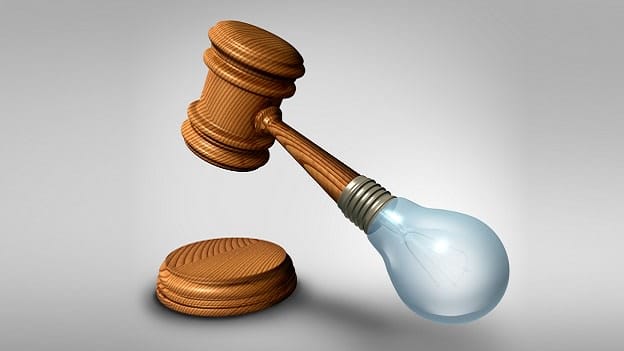
Termination of employment usually has to be for a reasonable cause. Here's what organizations need to know from a legal standpoint when downsizing
In the Indian context, termination of employment usually has to be for a reasonable cause, which means that an employer must have a justifiable reason for the termination, and does not have unbridled discretion. The three most common reasons for termination of employment in India are – (a) redundancy, (b) performance issues, and (c) misconduct.
Restructuring/Redundancy
What the courts have said? A restructuring exercise can often lead to roles within the organisation becoming redundant. Where the employer has sound commercial reasons, courts have held this to be a reasonable cause for termination.
What is the process to follow?
For workmen: The process to be followed in a redundancy termination depends largely on whether the employee in question is a 'workman' under the Industrial Disputes Act, 1947 (ID Act) which defines a 'workman' as a person engaged to perform manual, unskilled, skilled, technical, operational, clerical or supervisory work, and specifically excludes (a) persons employed in a managerial/administrative capacity; and (b) persons employed in supervisory capacity and draw wages exceeding INR 10,000 per month.
For non-workmen: For non-workmen, the employer can simply provide notice (or payment in lieu) and terminate employment. Termination payments such as leave encashment and gratuity (if applicable) would have to be made. On the other hand, for employees who are 'workmen', in addition to providing at least one month's notice (or payment in lieu), the employer would also have to pay retrenchment compensation, and notify relevant government authorities. Moreover, while selecting the workmen whose employment would be terminated, the employer would have to follow the 'last in first out' (LIFO) rule, unless agreed otherwise with the workmen.
Performance Issues
What the courts have said? Courts have consistently held that employment can be terminated on account of performance issues.
What is the process? The employer is expected to highlight the performance issues and give the employee a fair opportunity to improve performance. If the employee's performance fails to improve despite being given reasonable assistance and opportunity, employment can then be terminated. Courts have considered a termination based solely on performance to be non-stigmatic. Therefore, the requirement to give notice (or pay in lieu) and make other statutory termination payments (gratuity and leave encashment) would still apply.
Misconduct
What the courts have said? Misconduct includes unethical behaviour, unauthorised absence, breach of company policies, harassment, etc. Actions that qualify as misconduct are typically set out in the employment contract or in the employer's policies or handbook. If the employee isn't informed that a particular act constitutes a misconduct, courts may not allow employment to be terminated on this basis.
What is the process? Before terminating employment for misconduct, an employee has to be given an opportunity to be heard which involves steps such as issuing a charge sheet, appointing an inquiry officer, conducting a disciplinary inquiry, ensuring that the punishment is proportionate to the gravity of the offence, etc.
Conclusion
The law recognises the need to balance the interests of employees with the genuine reasons for termination that employers might have. It is therefore vital that the employer clearly identifies the cause for termination and follows the relevant process associated with such cause. A failure to do so could result in the termination being held to be illegal.
Author

Loading...