







Employee Skilling
Balancing machine and human skill sets





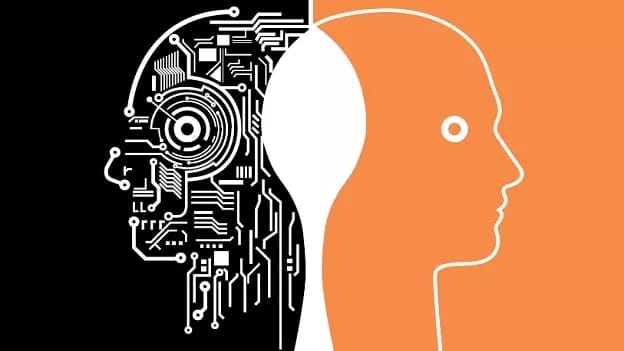
How do we navigate in this fourth industrial revolution that blurs the lines between the physical and digital worlds?
As we witness the breakthroughs in artificial intelligence (AI), many have predicted the transformation of jobs, changes in industries, and advances for consumers. We continue to witness the exciting business impact of technologies that are able to address customers, solve problems, and create new opportunities. In fact, many countries are now developing comprehensive AI strategies to attract talent, business start-ups, and investments. Canada, Japan, and Singapore were early movers in this area while more than 20 other countries have launched national initiatives. For example, Finland has pledged to train at least 1% of the population (or 55,000 people) on AI topics and basic coding in an effort to take a leading role in this space.
While the promise of AI is exciting for business, does this suggest that HR leaders should be transforming themselves and their workforces into a tech programming shop? Of course not, however, it does raise some questions about how we navigate in this fourth industrial revolution that blurs the lines between the physical and digital worlds. While there is certainly a needed push for additional tech skills, I might suggest that as we become surrounded by machines that we begin a renaissance of honing human skills. In other words, let’s consider what unique qualities of humans cannot be easily replicated by machines.
“Humans are like bad robots!” explained some tech experts from my university. As if they had just discovered our species, these robotics researchers explained to me that humans are sometimes unpredictable, they have emotions, they create new ideas, they have a spiritual side, and seem to be more than a basket of competencies. As a human capital researcher, it strikes me that HR leaders could make a significant impact in creating a vibrant future of the workforce by balancing the human capabilities needed. While the rush for AI and tech skills will continue, it would be great if HR leaders work to bring this into balance by taking the following steps:
The promise of our digital future is exciting and we clearly need more technology-oriented skills in the workplaces of tomorrow.
As people managers, we will serve the future well to keep the acquisition of tech skills in balance with human skills. Our human behaviors, emotions, motivations, and unpredictable reactions have not yet been replaced by machines... so we best keep developing our human skills as this makes us unique in the world – it would be a shame if humans became more like machines!
When examining the gap between current and future skills required, it is important to consider alternative sources of skills that include not just traditional hiring, but also other forms of skill acquisition such as borrowing talent for short-term needs through alliances or individual term contracts.
Topics
Author
Loading...