







Skilling
What we learned from facilitating 200+ experiential team-building workshops





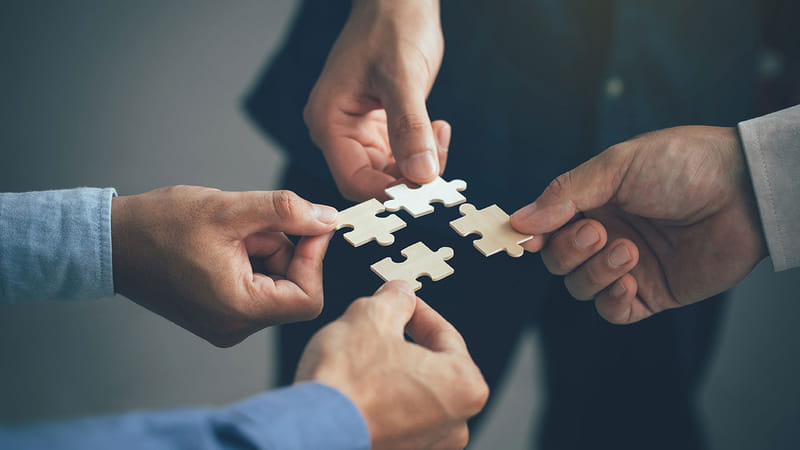
Here are seven hard-won lessons on creating experiences that actually change how teams work together
If you’ve ever organised or
attended a team-building workshop, you’ve probably asked yourself: Did people really learn something—or was
it just a bit of fun?
It’s a common dilemma. Many leaders and HR professionals want their teams energised, connected, and motivated but worry that most workshops either feel like entertainment with no substance, or like classroom training in disguise. Striking the balance between meaningful learning and engaging experiences isn’t easy.
Over the past few years, we’ve
had the opportunity to run more than 200 experiential workshops, with groups as
small as 20 and as large as 600. Along the way, we’ve discovered what really
works for both the participants as well as facilitators striving to create
experiences that matter.
Here are seven of the biggest
lessons we’ve learnt, insights that might help you think differently
about the next workshop you might organise for your team.
1. Learning is possible - Even through fun
Many assume that real learning
only happens in a classroom, while activities are “just for engagement.” We’ve
found the opposite to be true.
With the right design, gameplay
can spark deep reflection. A well-facilitated debrief often leads to insights
on values, collaboration, or leadership that no lecture could achieve. The key
is to go beyond entertainment and create space for learning to emerge.
2. Keep it simple, especially with large groups
In our early days, we sometimes
over-designed activities for big audiences, thinking complexity would impress.
It didn’t.
Participants don’t want
complicated rules—they want clarity. A simple, well-explained activity creates
excitement instead of confusion. Our OPS briefing format—Objectives, Parameters, Safety—helps
keep things sharp, focused, and easy to follow.
Irrespective of whether you adopt the above format or not,
the key takeaway is that simplicity works- it is way more effective.
3. Innovation and
“customerisation” are essential
Clients don’t want
off-the-shelf activities; they want experiences that feel relevant to their
people, culture, and theme.
We call this customerisation: going
beyond surface-level tweaks to truly understand what matters to the client and
tailoring the experience accordingly. When activities connect to the client’s
story, the impact multiplies.
Work collaboratively with the team building intervention
provider to ensure that the activities planned can forge that deeper connection
with the organisation’s story or reinforce some key values.
4. Adaptability is everything
No matter how detailed the
plan, something will change: timelines shrink, weather shifts, venues alter.
Sticking rigidly to the script rarely works.
The best results come when
facilitators stay alert, read the room, and adapt on the spot. Quick
adjustments, without losing energy, turn potential disruptions into moments of
flow.
It is good to expect the unexpected and be nimble enough to adapt.
5. Humility on stage makes all
the difference
Leading a large group can tempt
facilitators into “performer mode.” But the most powerful workshops happen when
facilitators step back, listen more, and let participants’ voices shape the
learning.
Humility, asking thoughtful
questions, respecting every contribution, and handling setbacks with grace
creates psychological safety and trust. And that’s when people truly open up.
Set the stage and create an environment for such opening up, that invariably leads to the formation of stronger bonds.
6. Teamwork is always on display
Participants notice how
facilitators work together. Many have told us later: “We learnt just by watching your team.”
That’s a reminder that
backstage coordination, silent communication, and attention to detail are not
invisible they’re part of the learning environment. When your team models
strong collaboration, participants feel it.
7. Safety is non-negotiable
Whether indoors, outdoors, or
in unusual spaces, safety must come first. Even small oversights can undermine
trust.
Every briefing should include
safety watch-outs, not as an afterthought but as a core message. And when
something happens—a minor injury, or someone needing a break pausing the
activity to care for them sends a clear signal: people matter more than performance.
Measuring impact: The hug-o-meter
We often joke about rating workshops on a “Hug-o-Meter” how many hugs we receive at the end. It may sound light-hearted, but it captures something no feedback form can: the depth of human connection.
For us, that’s the true measure
of success.
Final reflection
Looking back, these lessons
have made us not just better facilitators but better listeners, planners, and
human beings. A great experiential workshop isn’t about flashy props or loud
cheers alone. It’s about creating a space where people feel safe, heard, and
inspired to carry something back into their work and life.
And the most important lesson?
We’re still learning - every single day.
Author: Siddharth Chaudhary is the Co-Founder and Facilitator at Korelate Learning. With over a decade of experience in experiential learning and
leadership development, he designs and leads impactful team-building interventions. A
marathon runner and sports enthusiast, he brings the same energy and discipline into his work
with teams and organisations.
Author
Loading...