







Strategic HR
For DAMAC’s M.P. John, the secret to creating a truly symbiotic workforce—and why more CHROs need this strategy






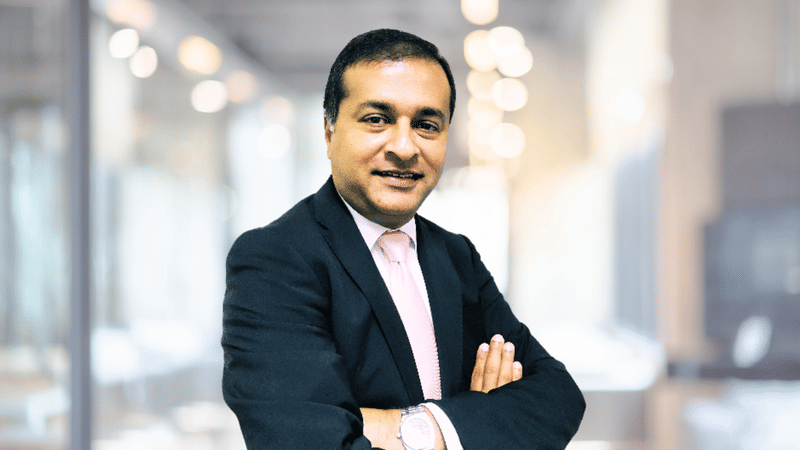
As a home-grown leader, M.P. John reflects on what this milestone truly represents—trust, collective ambition, and the responsibility of enabling thousands of employees to build meaningful, impactful careers at DAMAC Group.
Leadership today is increasingly demanding, shaped by constant industrial shifts, economic uncertainty, and relentless change. Layered onto this is the people mandate, leading diverse workforces with care and compassion while staying tightly aligned to business priorities. This, in essence, defines the role of a CHRO.
When the role evolves into that of a Chief Human Capital Officer, the responsibility deepens further. People are viewed not just as a workforce, but as human capital—where talent strategy, capability building, culture, and productivity are directly linked to business outcomes. The pressure intensifies, requiring leaders to deliver commercial impact while simultaneously strengthening human potential.
In this exclusive conversation with M.P. John, CHCO, DAMAC Group, we explore what it truly takes to dedicate one’s career to collective ambition. John reflects on shaping people, culture, and capabilities, and how this journey, in turn, reshapes leadership itself. He also shares insights on the evolving CEO–CHRO partnership amid constant disruption, the idea of building a symbiotic workforce, and the kind of vision required to lead a large, diverse organisation.
Read here for the insights.
Q. You’ve had a remarkable leadership journey of over two decades at DAMAC. What has been the most defining moment for you, and what does this milestone mean to you as a home-grown top leader?
John: Looking back on my two decades at DAMAC, the most defining moment for me has been witnessing our transformation from an ambitious local developer into a globally recognised organisation and knowing I played a part in shaping the people, culture, and capabilities behind that growth.
As a home-grown leader, this milestone is deeply meaningful; it reflects the trust placed in me, the collective ambition we share, and the privilege of enabling thousands of individuals to build impactful careers within the Group. Being part of this journey has been both humbling and profoundly rewarding.
Q. During the DAMAC Noida launch, you mentioned that you ‘live out of a suitcase’, which instantly reminded me of George Clooney’s character in Up in the Air – except he was a downsizing expert, while your work has been the complete opposite. What does it feel like to live with a purpose centred on building, scaling, and expanding workforces rather than reducing them?
Living out of a suitcase has become second nature to me, but unlike Clooney’s character in Up in the Air, my purpose has always been the opposite - building, scaling, and empowering workforces rather than reducing them.
Constant travel keeps me close to our people and our markets, and it reinforces why this work matters: every project, every geography, and every team represents growth, opportunity, and livelihoods. It’s demanding, yes, but incredibly fulfilling to know that the miles I cover contribute to creating stronger organisations and enabling more people to thrive.
Q. When building a robust Talent Acquisition strategy from the ground up, what were the biggest gaps you identified, and how did you transform TA into a global, award-winning function?
When I began shaping our Talent Acquisition strategy from the ground up, the biggest gaps were fragmented processes, limited global visibility, and an inconsistent candidate experience.
We transformed TA by standardising our systems, building a data-driven operating model, and embedding a strong employer brand that resonated across markets.
Most importantly, we invested in people upskilling our teams, creating specialised TA verticals, and introducing technology that enabled scale without compromising quality. This combination of structure, capability, and innovation allowed us to evolve from a reactive function into a globally recognised, award-winning centre of excellence.
Q. With the UAE recently marking 54th Eid Al Etihad, and you having spent over 23 years watching the region transform, from traditional sectors to tech-driven industries and a strong national talent agenda, how do you define this evolution? And what, in your view, is the right balance between attracting global talent and empowering national talent in today’s workplaces?
Over the past 23 years, I’ve witnessed the UAE evolve at a pace few regions can match shifting from traditional, infrastructure-led sectors to a highly diversified, tech-driven economy powered by innovation and an ambitious national talent agenda. This evolution reflects a country that continually reinvents itself while staying rooted in its values.
To me, the right balance lies in creating a truly symbiotic workforce: attracting global talent that brings expertise, scale, and new ways of thinking; while simultaneously investing deeply in national talent so they can lead, shape, and sustain the future.
When global capabilities and local leadership grow together, organisations and the nation thrive.
Q. The pressures on CHROs and CEOs are almost alike today. Do you believe that an even closer, more integrated collaboration between CHROs and CEOs has become absolutely critical for driving sustainable organisational growth and navigating complex challenges?
Absolutely. Today, the pressures on CHROs and CEOs are closely aligned; both are tasked with driving performance, fostering culture, and ensuring long-term growth amid constant disruption. This makes an integrated collaboration between the two roles not just beneficial, but critical.
When CHROs and CEOs work as true partners, aligning talent strategy with business strategy, organisations can navigate complex challenges more effectively, build resilient teams, and sustain growth. In today’s landscape, leadership and people strategy must move in lockstep to succeed.
Q. In your view, how has technology transformed HR’s credibility and influence at the leadership table in recent years? And what impact do you see it creating in the near future?
Technology has fundamentally elevated HR’s credibility and influence at the leadership table by turning data into insight, and insight into action.
Advanced analytics, AI-driven tools, and digital platforms have enabled HR leaders to measure impact, predict trends, and make strategic decisions with confidence shifting the function from administrative to truly strategic.
In the near future, I see this influence growing even further: technology will empower HR to anticipate workforce needs, personalise employee experiences, and drive organisational agility, making people strategy an even more central pillar of business success.
Q. Based on your extensive experience with the evolving dynamics of the contemporary workplace, what is the single most crucial piece of advice you would offer to today's HR leaders? What would it take for a CHRO to lead a large real estate company?
The single most crucial advice I would offer today’s HR leaders is to think and act as strategic partners to the business aligning people strategy with organisational goals while staying deeply attuned to culture and employee experience.
For a CHRO leading a large real estate company, this means combining industry knowledge with agility: understanding market cycles, talent mobility, and operational demands, while building resilient, high-performing teams.
It takes vision, adaptability, and the ability to influence at every level to drive growth and sustain long-term organisational success.
Author

Loading...