







Strategic HR
Talent Management in Real Estate: Adapting to the changing needs of the industry





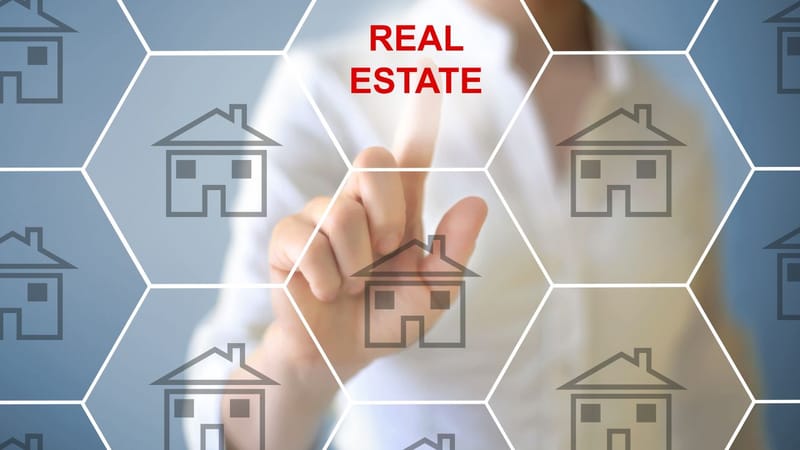
Traditionally focused on transactions and assets, real estate now finds itself at the intersection of innovation, sustainability, and digital disruption.
By: Veena Bansal
The real estate industry is undergoing a profound transformation, shaped by the rising influence of technology, sustainability imperatives, and the rapid development of smart cities. This evolution is not only redefining how real estate is planned, built, and managed but also demanding a fundamental shift in how talent is attracted, nurtured, and retained within the sector.
Traditionally seen as a domain focused primarily on transactions and assets, real estate now finds itself at the intersection of innovation, sustainability, and digital disruption. As the industry adapts, so too must the human resources (HR) strategies that support it. Organisations need to implement forward-thinking talent management approaches centred on skill development, leadership evolution, and a culture of agility and innovation.
Evolving Market Demands: Why change is essential
New trends in real estate, such as green buildings, net-zero emissions targets, smart infrastructure, and the use of artificial intelligence (AI) in design and planning, require a workforce equipped with a vastly different skillset than was needed a decade ago. Sustainability now plays a critical role in corporate strategy, and this shift must be matched by internal talent strategies that prioritise relevant skills and mindsets.
This pivot towards sustainability and smart city integration requires engineers, architects, and project managers who are well-versed in green technologies, data analytics, the Internet of Things (IoT), and Environmental, Social, and Governance (ESG) compliance. Therefore, HR must expand its focus beyond transactional hiring and become a strategic partner in building a future-ready talent pipeline.
Bridging the skills gap through learning and development
The technological advancements in real estate have created a pressing skills gap. Facilities managers, site supervisors, and even senior developers are now expected to work with digital tools, automation software, and sustainability reporting frameworks.
To close this gap, real estate companies must invest heavily in training programs, upskilling initiatives, and partnerships with educational institutions to offer specialised certifications. Internal knowledge-sharing platforms and mentorship programs can also foster a culture of continuous learning. This approach ensures that existing staff remain competitive while creating opportunities for younger professionals to enter the industry equipped with relevant capabilities.
Leadership development for a future-oriented industry
Leadership in real estate is no longer confined to managing construction timelines or property portfolios; it has expanded to encompass a broader range of responsibilities. Leaders today must act as change agents—driving digital transformation, fostering sustainability practices, and managing hybrid or decentralised teams.
Organisations should prioritise leadership development programs that focus on emotional intelligence, systems thinking, and strategic foresight. According to Russell Reynolds Associates, companies that prepare leaders for these multifaceted roles are better positioned to thrive in an unpredictable market.
Moreover, succession planning needs to become more robust. A significant portion of the current leadership in the Indian real estate sector, for example, is family-driven or legacy-led. There is an urgent need to formalise pathways for emerging talent, ensuring leadership transitions that align with future business priorities.
Fostering a culture of agility and innovation
HR’s role extends beyond recruitment and retention—it now encompasses shaping company culture. Real estate companies must encourage innovation, agility, and a risk-taking mindset. HR should support cross-functional collaboration, intrapreneurial initiatives, and agile project management structures.
Moreover, diversity, equity, and inclusion (DEI) must be embedded within hiring and growth frameworks. As younger professionals and global investors increasingly value inclusive and ethical workplaces, companies that lag on these fronts may lose the competitive edge.
As highlighted by the Talent Management Institute, building a sustainable and skilled workforce is not about reacting to trends but about leading the change.
Conclusion
The real estate sector is evolving rapidly—technologically, environmentally, and socially. To stay ahead, organisations must invest in strategic, future-forward talent management. This entails developing sustainability-focused skill sets, cultivating transformational leadership, integrating HR into core planning, and fostering a culture built on agility and innovation.
As the industry embraces the digital and sustainable future, talent will be the key differentiator. HR strategies that anticipate and adapt to these changes will not only secure business continuity but also lay the foundation for long-term growth and industry leadership.
(The author of the article is the Chief Human Resources Officer at M3M Group)
Topics
Loading...