







Strategic HR
Turning career breaks into career breakthroughs for women



|
Updated on


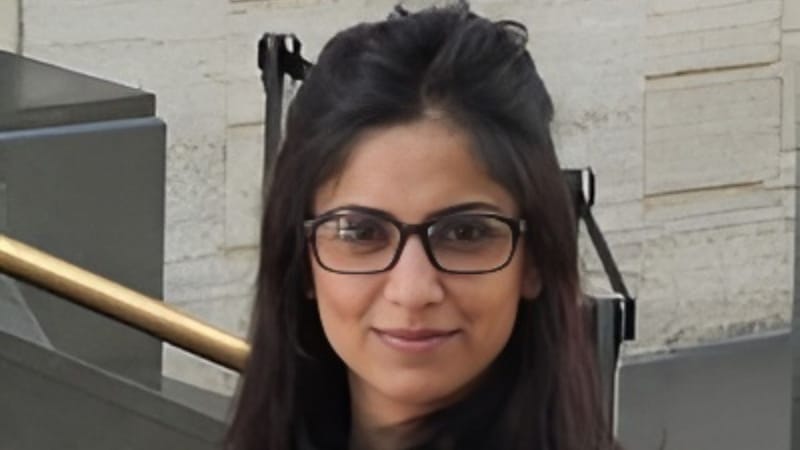
International Women’s Day often brings attention to how women experience and shape their careers over time. Increasingly, organisations recognise that career journeys can unfold in multiple ways. As professional lifespans extend, employers are broadening their understanding of continuity, potential and progression to better reflect the lived realities of women in the workforce.
By: Trisha Singh
In many organisations today, women’s career paths reflect deliberate choices shaped by evolving opportunities, shifting industry demands, personal aspirations, and commitments that do not always follow linear trajectories. At certain points, some professionals step away from formal roles to pursue goals such as deeper skill-building, passion projects, or responsibilities outside the workplace. These decisions increasingly cut across genders, but they often appear more prominently among women in the mid-career segment. These transitions are about recalibrating direction, and they highlight how modern careers are becoming more flexible and self-defined.
International Women’s Day often brings attention to how women experience and shape their careers over time. Increasingly, organisations recognise that career journeys can unfold in multiple ways. As professional lifespans extend, employers are broadening their understanding of continuity, potential and progression to better reflect the lived realities of women in the workforce.
Career patterns continue to evolve as women navigate different stages of life. Temporary breaks from formal employment are increasingly viewed as practical decisions shaped by personal priorities or emerging opportunities. There is growing recognition that capability develops through a wide range of experiences, not only uninterrupted employment. Time away can broaden perspective, whether through managing varied responsibilities, pursuing new learning, or contributing to communities. These experiences often influence how women approach leadership, problem-solving and decision-making when they return to work.
Structured returnship programmes have emerged as one practical way to support individuals transitioning back into the workforce. These programmes offer project-based roles, mentoring, targeted training and structured onboarding. For organisations, returnships provide a route to reconnect with experienced talent. For those returning, they enable the rebuilding of professional networks, refresh technical skills and provide exposure to evolving workplace environments.
The design of these programmes directly influences their impact. Assigning meaningful responsibilities, integrating returnees into core teams, and ensuring access to senior leadership help support a smooth transition into full-time roles and continued career development.
The pace of change across industries also shapes the return-to-work experience. Over the past decade, workplaces have transformed rapidly through digital tools, AI, data-driven decision-making and flexible working models. Continuous learning has therefore become essential not only for those returning after a career break but for all professionals. Organisations that invest in accessible learning platforms, targeted skills pathways, and knowledge-sharing environments enable returning talent to efficiently reconnect with industry developments.
Workplace culture plays a significant role in enabling women to return and thrive. Clear career pathways, supportive leadership and transparent expectations help create smoother re-entry experiences. Increasingly, organisations are adopting a multi-dimensional view of inclusion, recognising that employees move through different life stages and responsibilities over the course of their careers. This shift is reflected in more balanced parental and caregiver policies, such as expanded paternity and adoption leave, alongside flexible working arrangements where operationally feasible. When such policies apply across the workforce, they support shared responsibilities and enable more equitable career progression.
From a talent perspective, these developments highlight the value individuals bring when returning to the workforce. As industries evolve and demand for specialised skills grows, supporting returnees has become an integral part of talent strategy and a way to strengthen diversity of perspectives within teams.
For women re-entering the workplace, the experience often involves reconnecting with networks, understanding new trends and adapting to modern tools and ways of working. Supportive teams and access to continuous learning help returning professionals regain momentum and continue building successful careers.
International Women’s Day offers a moment to reflect on how women’s careers develop over time. As organisations adapt to changing expectations, supporting diverse career journeys will become increasingly important.
(The author of this article is the Senior Vice President & Head - HR Business Partner at DBS Bank India. Views expressed are their own.)
Loading...