







Wellbeing
Holistic mental health is business health



|
Updated on


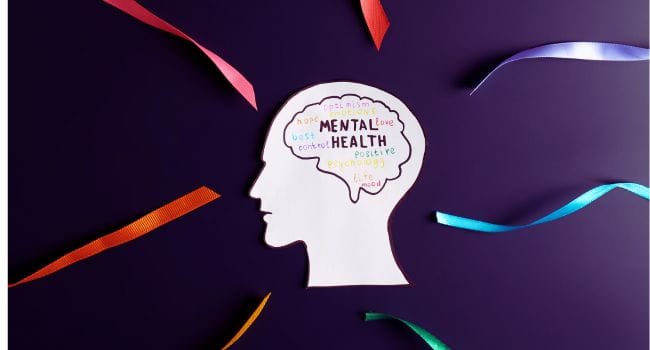
Employees are looking for workplaces where care is part of how things run, not just how things are communicated.
The connection between mental health and work is no longer peripheral; it’s pressing. Employees aren’t looking for wellness initiatives to tick a box. They’re looking for workplaces where care is part of how things run, not just how things are communicated.
That’s a shift the industry is only beginning to fully acknowledge. For years, organisations have operated on the idea that resilience meant pushing through, that personal well-being was something to manage outside of work hours. But as the lines between professional and personal lives have blurred, those assumptions are being challenged.
It’s become commonplace to describe the workplace as a second home — a space to grow, collaborate, and belong. But if we truly believe in that, it must also be a place where people feel safe to say they’re not okay. A place where being vulnerable isn’t seen as a liability. This is especially important in today’s work environment, given that 1 in 5 employees in India are seeking mental health support.
Much of this change is being driven by the workforce itself. Millennials and Gen Z now make up a large part of India’s talent pool. For Gen Z in particular, mental health is paramount: 86% of Gen Z employees in India consider mental health care plans non-negotiable, seeing them not as perks, but as essential baseline support. By making mental health policies essential, workplaces treat employees like people–not just outputs.
To their credit, many companies have started responding. Wellness initiatives, flexible work options, and Employee Assistance Programs are steps in the right direction. But the gap between intent and impact remains wide. According to Deloitte India’s 2023 Workforce and Well-being Survey, over 80% of employees said their mental health challenges were directly linked to work. That number isn’t just high; it’s a red flag. It tells us that we need to move beyond surface solutions to build something more lasting and real.
Because the truth is, this isn’t just about occasional stress. Conditions like anxiety and depression are now among the most common, and invisible, health concerns, with 42.5% of corporate employees experiencing an anxiety order or depression. Employers can do their part by at least making sure that the workplace is a safe space where they get the necessary help.
To safeguard their employees' interests, organisations are now proactively considering the inclusion of comprehensive clinical mental health support like therapy, medication, or hospitalisation in their benefits. This proactive approach aims to build an employee-friendly bridge, addressing the current need for such intensive care and acknowledging it within existing systems.
Time to rethink what support means
Supporting mental health at work can’t just be performative. It has to be built into the structure and policy, so that the employees feel they have been cared for and support is readily available.
Some signs of real support include:
• Leave policies that treat mental health on par with physical health
• Insurance that covers therapy, medication, and hospitalisation
• Hotline Access to trained mental health professionals maintaining confidentiality
• Manager sensitisation, to handle employees with care and without bias
• Flexibility to allow for recovery, especially when the healing process isn’t linear
• A work environment where asking for help is met with support, not judgment
None of this is radical. It’s foundational. These changes signal whether a workplace is truly people-first or simply says it is.
This is not just HR’s problem to solve
Mental health influences everything — productivity, collaboration, retention, and morale. The companies that understand this treat mental wellness not as a one-off effort but as a shared leadership responsibility.
At the end of the day, this is about trust. The organisations that lead with this mindset won’t just do better by their teams; they’ll be better equipped for the future.
(This article has been authored by Geetha Shamanna, Director – People & Experience, GALE India)
Topics
Loading...