







Workforce Planning
The future of learning & development: 2026 and beyond





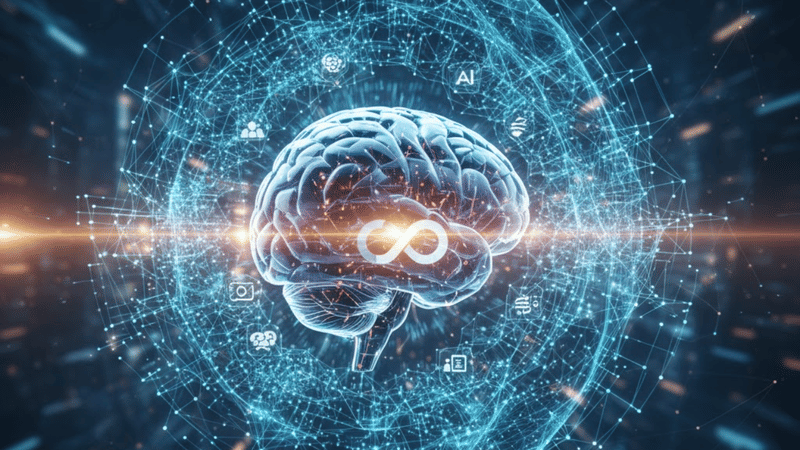
How learning leaders can turn disruption into a strategic advantage.
Authored by: Dr. N Surenthiran and Dr. Abhinav Jindal
The world of
work is no longer what it was a decade ago. Boundaries of place, time, and
hierarchy have blurred. Hybrid teams collaborate across continents, AI quietly
rewrites job descriptions, and employees are re-evaluating what truly matters
in their careers. Across global research—from ATD, SHRM, and Gartner—one
message stands out: Learning & Development (L&D) can no longer be a
support function. It must become the engine of adaptability, purpose, and human
capability.
“The L&D function is
shifting from training delivery to transformation design—helping people and
businesses reinvent continuously.”
1. A New World of Work: Anytime, Anywhere, Always On
Work today
happens everywhere—and all the time. Nearly 40% of professionals now work
remotely at least once a week, while more than half collaborate with managers
in other cities or countries. Flexibility, not hierarchy, defines engagement.
In fact, studies show that almost half of employees would trade a slice of
their salary for continued flexibility.
This new rhythm—digital, dynamic, and distributed—has redefined how people learn. As Matt Confer (Abilitie) observed at the ATD Webinar, “Employees can’t step out of work to learn; learning must come to them.”
Micro-learning bursts, digital nudges, and contextual reinforcement have replaced classroom dependency. L&D’s challenge is to design for fragmented attention but sustained impact—learning in the flow of work, not outside it.
2. The Technological Wave: AI as the Co-Pilot of Learning
Artificial Intelligence has moved from disruption to partnership. According to SHRM and Gartner, one in nine employees already uses generative AI daily, and by 2026, AI fluency will be as fundamental as digital literacy.
But AI isn’t replacing learning—it’s redefining it. AI can now act as a co-facilitator, providing adaptive quizzes, personalised feedback, and real-time coaching. It challenges employees to validate and ethically use AI outputs, while empowering L&D teams to analyse patterns and measure impact at scale.
“The most competitive organisations will be those where humans and machines learn together.” — SHRM 2025.
3. The Human Factor: Managers, Leadership, and Meaning
Even in the age of automation, people remain the pivot. Gartner’s 2026 HR Priorities reveal that manager spans have doubled since 2017, and nearly 70% of managers feel ill-equipped to lead hybrid, AI-enabled teams.
The response? Replace traditional workshops with experiential leadership journeys—immersive simulations, scenario-based learning, and community-driven reflection. At Ferrara, Nadine van Veen captures the shift beautifully: “We’re moving from programs to journeys—learning sustained through reflection and shared experience.”
Leadership in 2026 will no longer be about control—it will be about curiosity, connection, and continuous recalibration.
4. The Employee Voice: From Career to Purpose
The next generation of employees seeks more than promotions; they seek purpose. Research from ATD shows that 85% of employees link learning to a stronger sense of meaning at work. L&D is now a retention driver—people stay where they grow.
For Gen Z and Millennials, who will soon form 80% of the workforce, learning must be personal, flexible, and purposeful. This calls for a dual design philosophy: self-directed pathways for autonomy and exploration, coupled with communities of practice for connection and shared growth.
5. The Business Imperative: Measuring What Truly Matters
Across Gartner, SHRM, and ATD research, a new consensus has emerged: stop counting hours—start measuring capability. Old metrics such as training days or completion rates say little about impact. Modern L&D must demonstrate proficiency growth, behavioural change, and business contribution.
As Gartner notes, “L&D’s next leap lies in ecosystems that link skills, data, and business value.”
6. The Human Advantage in a Digital World
As technology accelerates, our human edge will be curiosity, empathy, and adaptability. The winners of the next decade won’t be those who adopt AI fastest, but those who help people adapt best. Learning is no longer an event—it is a living ecosystem that grows stronger with every challenge.
7. The Strategic Synthesis: Five Imperatives for 2026 and Beyond
|
Theme |
Future Imperative |
L&D Shift |
|
Speed of Change |
Build agility and learning velocity |
Move from training events to learning ecosystems |
|
AI Saturation |
Ensure AI fluency and ethical literacy |
Blend AI tutors with human coaching |
|
Manager Effectiveness |
Empower through experiential learning |
Use simulations and scenario-based journeys |
|
Employee Expectations |
Purpose + flexibility + connection |
Design for autonomy, community, and meaning |
|
Measurement |
Focus on skill currency, not course count |
Tie learning to business outcomes |
These aren’t just trends—they’re transformation levers. Together, they define how learning sustains resilience, engagement, and competitive advantage.
8. The Action Agenda for L&D Leaders
- Reframe L&D’s mandate — from “training delivery” to
“capability strategy.”
- Integrate AI responsibly — build literacy while
safeguarding human ethics.
- Redesign manager learning — move to longitudinal,
experiential journeys.
- Invest in analytics — use learning data to predict
skill demand.
- Anchor learning in meaning — link every program to purpose and growth.
“The past wasn’t as good as you remember. The present isn’t as bad as you think. The future will be better than you anticipate.” — Matt Confer, ATD 2025.
In the age of AI and agility, L&D is not just shaping skills; it is shaping the future of work itself.
Topics
Loading...