







AI & Emerging Tech
Nvidia CEO Jensen Huang criticises executives for blaming AI for layoffs






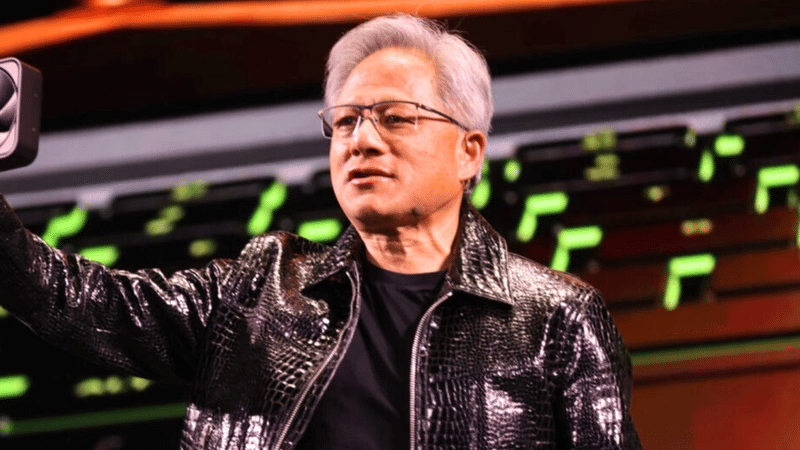
Huang also warned against creating unnecessary fear around the technology, arguing that exaggerated claims about AI-driven job displacement are irresponsible.
Nvidia CEO Jensen Huang has criticised corporate leaders who attribute workforce reductions to artificial intelligence, arguing that many executives are using AI as a convenient explanation for layoffs that were driven by broader business challenges.
Speaking in an interview with Singapore broadcaster CNA, Huang described the growing trend of linking job cuts to AI as “too lazy” and questioned the logic behind claims that artificial intelligence was responsible for redundancies announced long before generative AI became widely useful.
“I think the narrative that connects AI to job loss for many of the CEOs that are doing it, it is just too lazy,” Huang said. “How is it possible that AI became productive and useful only recently, and they were somehow laying people off two years ago because of AI?”
The comments from the head of the world’s leading AI chipmaker have reignited debate over whether companies are overstating the role of artificial intelligence in workforce reductions.
Huang also warned against creating unnecessary fear around the technology, arguing that exaggerated claims about AI-driven job displacement are irresponsible.
His remarks come amid a wave of layoffs across the technology sector, where several companies have highlighted AI investments and automation initiatives alongside workforce reductions. Firms including Meta, Amazon, and Microsoft have all announced significant job cuts in recent years while simultaneously increasing spending on artificial intelligence infrastructure and development.
The debate has intensified as businesses accelerate AI adoption while facing pressure to improve profitability and operational efficiency. Critics argue that some companies are using AI as a narrative to justify restructuring decisions that stem from factors such as overhiring during the pandemic, slowing revenue growth, and changing business priorities.
Supporting Huang’s view, Demis Hassabis, chief executive of Google DeepMind, recently suggested that blaming AI for workforce reductions reflects a “lack of imagination” about how the technology can complement rather than replace workers.
Research has also raised questions about the scale of AI-driven job displacement. Analyses from labour market experts and academic institutions have suggested that the proportion of jobs considered highly vulnerable to AI replacement has remained relatively stable since the launch of generative AI tools such as ChatGPT in late 2022.
The comments are notable given Nvidia’s central role in the global AI boom. The company’s processors power many of the data centres and AI systems being deployed worldwide, making it one of the biggest beneficiaries of surging investment in artificial intelligence.
Despite that position, Huang has consistently argued that AI should be viewed primarily as a productivity-enhancing technology rather than a direct replacement for human workers. He has previously said that while AI will transform jobs, it is also likely to create new roles and opportunities across industries.
The differing views among technology leaders highlight the uncertainty surrounding AI’s long-term impact on employment.
While some executives foresee significant disruption to white-collar jobs, others believe the technology will augment human work and drive new forms of economic growth.
For now, Huang is urging business leaders to be more transparent about the reasons behind workforce reductions and avoid using AI as a catch-all explanation for difficult corporate decisions.
Topics
Author

Loading...