For years, workplace inclusion was often treated as a numbers game. Increase representation. Improve diversity ratios. Launch programmes. Celebrate milestones.
The conversation today is more complicated.
Employees are asking tougher questions. Does everyone have an equal chance to succeed? Are decisions transparent? Do people feel safe speaking up? And perhaps most importantly, do they feel they belong?
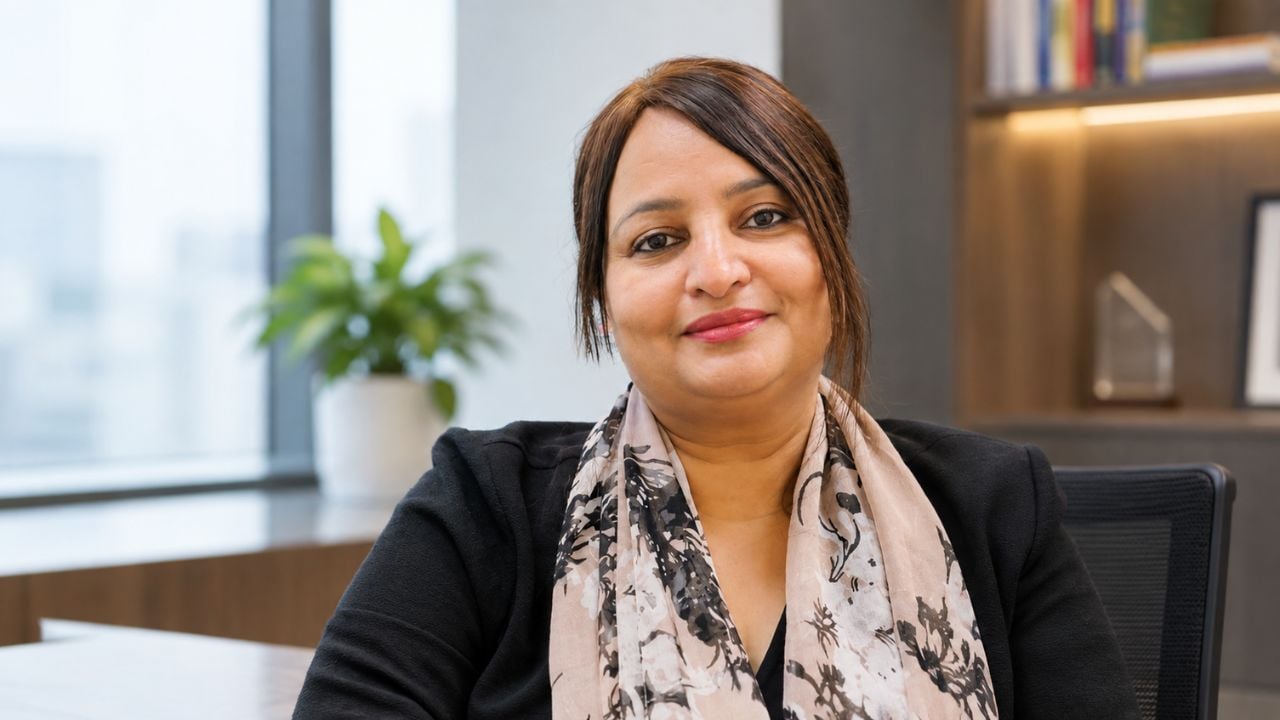
In an exclusive conversation with People Matters, Aruna C. Newton, VP and Head of Diversity & Inclusion, ESG Governance & Reporting at Infosys, reflects on how inclusion is evolving from a people initiative into a business imperative, and why organisations may soon need to measure progress through career outcomes rather than participation rates.
Inclusion is moving from presence to participation
The definition of inclusion itself has changed dramatically over the past few years.
Earlier conversations focused on ensuring diverse employees were present in organisations and treated fairly. Today, the expectation is much broader.
As Newton puts it: "Workplace inclusion has evolved from: 'Ensuring diverse employees are present and treated fairly' to 'Designing a work environment where every individual across identities and work modes can contribute, belong, and achieve equitable outcomes, with inclusion embedded into business strategy and leadership behaviour.'"
It is a shift many organisations are still trying to navigate.
Representation remains important, but presence alone no longer signals progress. Increasingly, attention is turning towards whether employees have influence, access, opportunities and a genuine sense of belonging.
In other words, inclusion is becoming less about who is in the room and more about whose voice matters once they get there.
Why belonging has become the new workplace metric
One of the challenges facing organisations is that employees no longer share a single definition of what inclusion should look like.
Workforces are more diverse across identities, generations, geographies and work arrangements than ever before. A hybrid employee's experience can be very different from someone working onsite. Expectations around flexibility, identity and workplace culture are also evolving rapidly.
Newton believes addressing these differences requires organisations to move beyond good intentions.
"This requires a larger systemic approach that moves beyond programs and intent to outcomes and accountability."
For her, leadership behaviour sits at the centre of the conversation.
"Leadership behaviour is key as we move beyond inclusion to creating belonging, all the while navigating a hybrid work experience."
The implication is significant. Inclusion can no longer be viewed as a standalone HR initiative. It increasingly depends on how managers lead teams, make decisions and create everyday employee experiences.
Metrics may need to evolve as well.
"Diversity metrics will need to move to equity and progression outcomes while belonging will underscore employee experience."
The message is clear: organisations may need to spend less time counting participation and more time examining who is progressing.
The gap between policy and reality
Few organisations today openly oppose diversity, equity, inclusion and belonging efforts.
Yet many employees still report vastly different workplace experiences.
Newton acknowledges the progress made over recent years.
"The focus on DEIB has definitely improved over the years."
However, she sees a persistent disconnect between organisational ambition and lived experience.
"However, the biggest gaps lie between organizational intent and actual employee experience."
Policies may be inclusive on paper. Programmes may be well designed. Yet employees often experience organisations through informal interactions, team dynamics and day-to-day decisions.
Newton explains: "The gap widens as we move beyond strategy, policy and programs to everyday interactions, from representation metrics to voice and belonging, to navigating informal ecosystems that influence decisions and ensuring psychological safety beyond the communication of inclusion."
These informal systems frequently determine who gets visibility, sponsorship, stretch opportunities and career momentum.
As workplace conversations around identity become more nuanced, Newton expects inclusion itself to become more complex.
"Inclusion will be far more nuanced."
The end of performative inclusion?
Many organisations continue to invest heavily in awareness campaigns, training sessions and inclusion programmes.
Newton believes the next phase requires a different mindset.
"Inclusion has to move away from training and programs to a larger design issue in organizations, becoming 'hardwired' into workflows, policies and decisions."
The distinction matters.
Training can create awareness. Hardwiring inclusion into organisational systems changes outcomes.
Newton points towards several areas where organisations may need to focus their attention.
"The focus has to be more on retention equity, mobility, productivity and a lot less about performative reporting."
Transparency will become increasingly important too.
"Greater transparency in pay, promotions and decision criteria will be required."
Many organisations already publish diversity statistics. Fewer openly discuss promotion outcomes, internal mobility patterns or decision-making frameworks.
Those conversations may soon become unavoidable.
From HR initiative to enterprise responsibility
Perhaps the most significant shift Newton identifies is who owns inclusion.
Historically, diversity and inclusion initiatives have largely been driven by HR functions. Newton believes the future lies elsewhere.
"And I think the biggest change will be moving from inclusion to employee empowerment and agency – making this less of an HR led program to a larger enterprise-owned program."
This reflects a broader trend emerging across organisations globally.
Inclusion is increasingly being linked to leadership effectiveness, workforce strategy, talent development and business performance rather than being treated as a standalone people initiative.
The more embedded inclusion becomes, the less visible it may appear as a separate programme.
What should organisations actually measure?
One of the biggest questions facing employers is whether employees genuinely feel included.
Participation rates tell only part of the story.
Newton believes organisations need to focus on a broader set of indicators.
"It will include employee inclusion experiences considering belonging, voice, and psychological safety."
She also points to structural measures.
"Fairness and transparency of systems, leader accountability through performance scorecards/employee feedback, Equity in career outcomes including promotion, pay, progression, and retention will be key."
Yet the most meaningful indicator may be long-term talent outcomes.
"However, what will make the biggest difference is the strategic talent impact through building inclusive leadership talent pipelines, talent for critical roles and staying focused on future skills."
In practical terms, inclusion may increasingly be judged not by how many programmes organisations launch, but by who advances, who stays and who ultimately leads.
Pride Month offers a reminder, but the real work happens afterwards
Pride Month often brings visibility to conversations around identity, inclusion and belonging.
Yet Newton's observations point to a larger reality.
The future of workplace inclusion may not be defined by celebrations, awareness campaigns or policy announcements alone.
It may be defined by quieter questions.
- Who gets promoted?
- Who gets opportunities?
- Who feels safe enough to contribute?
- Who feels they truly belong?
For organisations navigating an increasingly diverse workforce, those answers could become the most important inclusion metrics of all.
New leaders, fresh capital, workforce shifts and unfiltered conversations — the story of work unfolds here.