For years, corporate India's diversity conversations have revolved around hiring. Organisations proudly report representation numbers, announce inclusive policies and celebrate milestones. Yet, one question remains largely unanswered: what happens after someone joins?
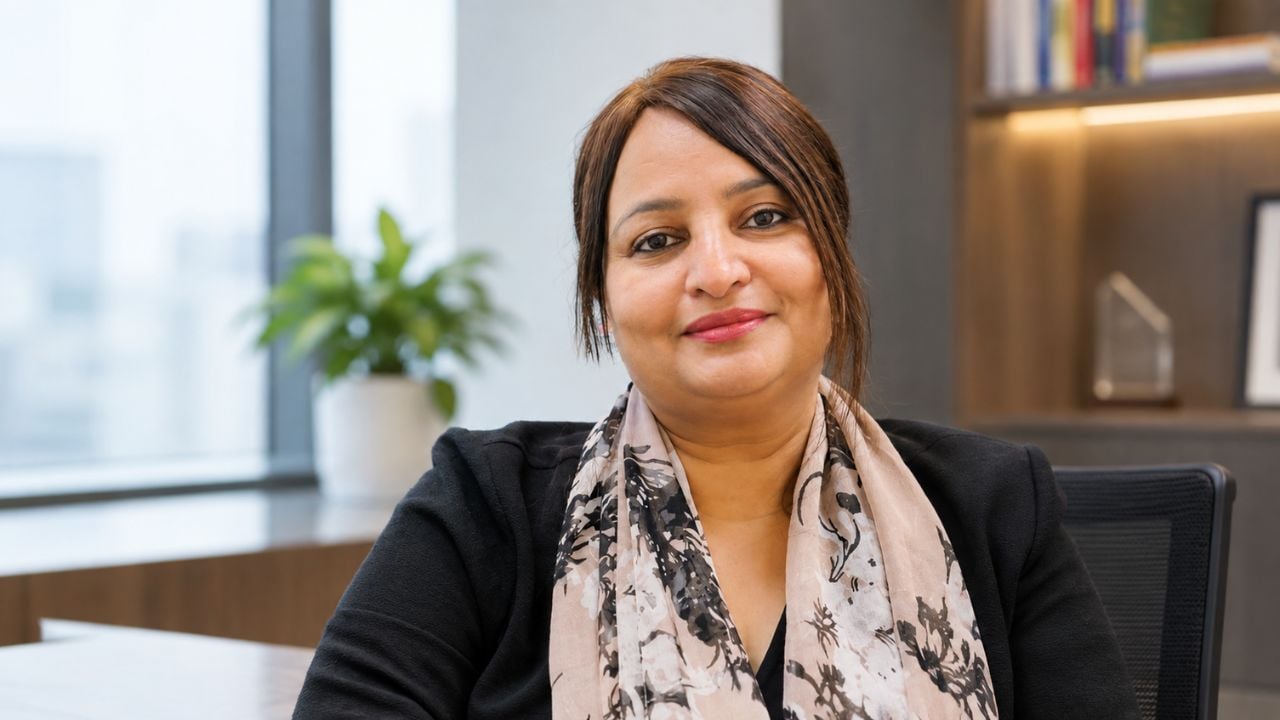
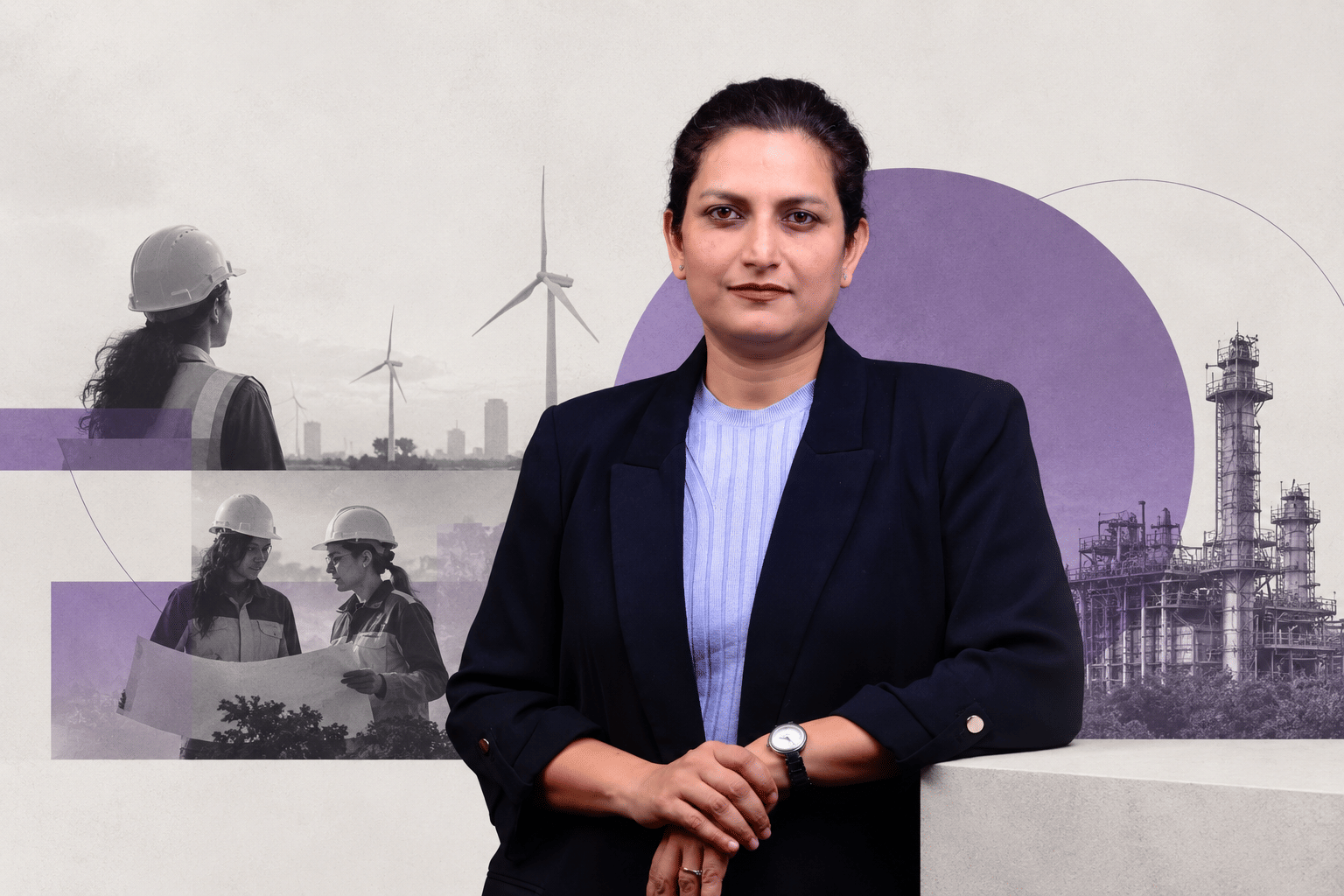
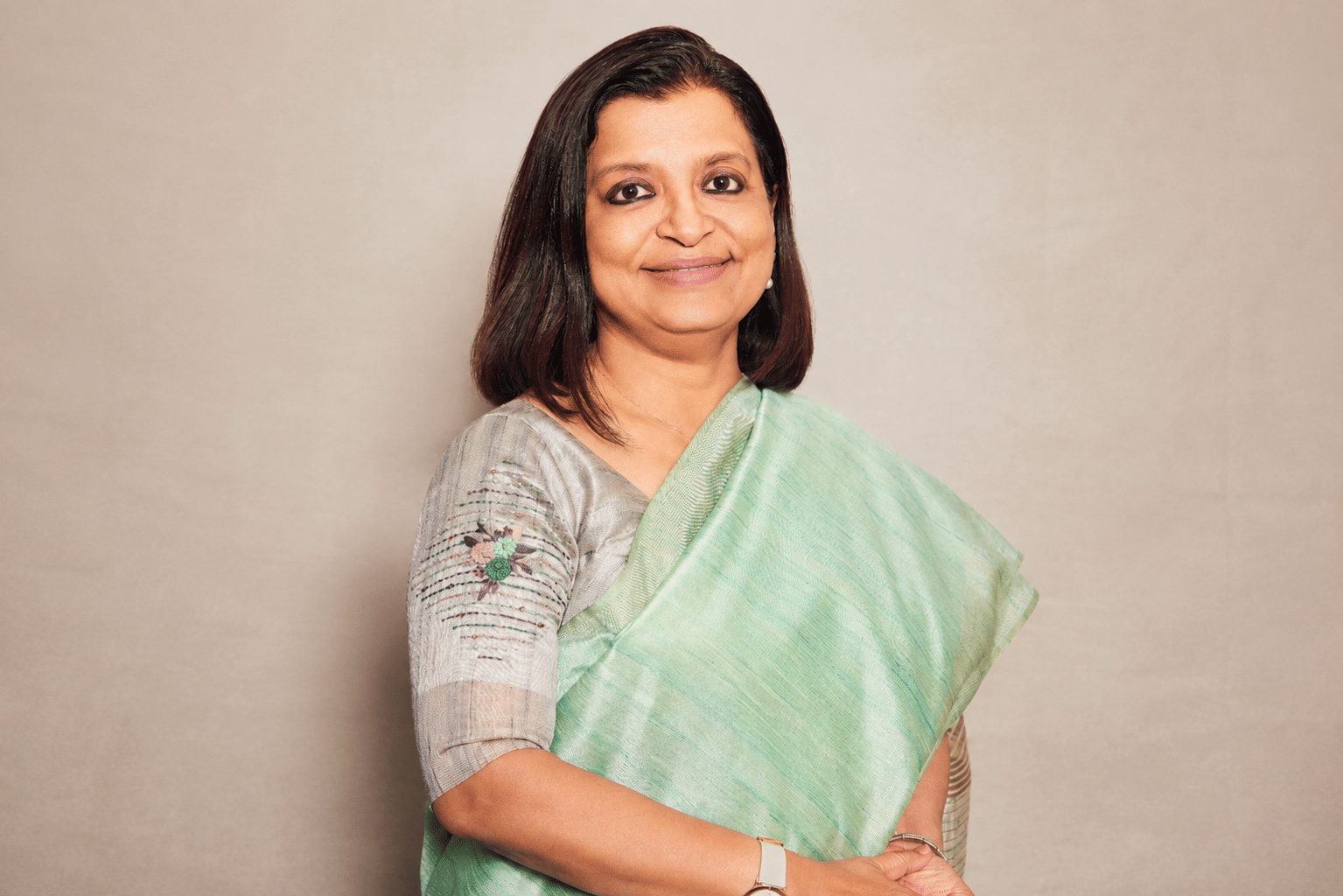
According to Atrayee Sanyal, Chief People Officer at Tata Steel, hiring is only the first step. The real challenge begins much later, when organisations need to ensure LGBTQIA+ professionals can build careers, influence decisions and eventually occupy leadership positions.
Speaking to People Matters, Sanyal says the next chapter of inclusion is less about recruitment and more about creating workplaces where people can thrive without hiding parts of their identity.
Inclusion begins long before recruitment targets
"Hiring is merely a starting point. The real frontier now is culture, shifting from policies on paper to lived, daily inclusion."
For Tata Steel, this journey has been underway for more than a decade through its MOSAIC diversity and inclusion initiative. Sanyal says one lesson has consistently emerged from that experience.
"The infrastructure has to come before the headcount targets."
Before organisations chase representation numbers, she believes they must ask a more fundamental question.
"Will a person from the LGBTQIA+ community feel safe, valued, and able to bring their whole self to work here?"
She points to structural measures including equal benefits for LGBTQIA+ partners, coverage for gender affirmation procedures and gender-neutral parental leave as examples of creating that foundation.
The bigger opportunity for corporate India, she says, is moving "from accommodation to full integration", where LGBTQIA+ professionals become active contributors to decision-making, innovation and leadership rather than simply being represented in workforce statistics. Achieving this requires dismantling invisible barriers across performance processes and mentoring relationships.
Representation does not automatically create leadership
Sanyal is careful to distinguish representation from progression.
"Representation is an important beginning, but it does not automatically create leadership opportunity."
Leadership pathways, she says, need to be intentional, transparent and measurable.
For organisations serious about building diverse leadership, she believes the questions become much more practical:
- Who gets identified as high potential?
- Who receives stretch assignments?
- Who gains visibility with senior leaders?
- Who benefits from sponsorship?
At Tata Steel, she says equity has been designed to run through the entire employee journey rather than remaining limited to recruitment.
Policies have been made gender-neutral. Benefits have been expanded to LGBTQIA+ partners. Support systems have been introduced for transitions and family structures that do not fit traditional norms.
The next step, according to Sanyal, is applying the same thinking to leadership pipelines.
"If we want more LGBTQIA+ leaders, we must consciously create access to projects, mentoring, role modelling, and promotion pathways that prepare people for bigger roles."
She also highlights Tata Steel's Global Leadership Development Programme (GLDP) and its move towards a skills-based talent ecosystem, where talent and potential, rather than traditional constraints, guide career progression.
Policies alone cannot remove invisible barriers
Even organisations with progressive policies can struggle with inclusion if culture fails to evolve.
According to Sanyal, many of the biggest barriers are invisible.
"Some of the most significant barriers are not written into policy at all; they sit in culture, everyday behaviour, and unconscious assumptions."
Professionals may still hesitate to disclose their identity, feel excluded from informal networks or encounter subtle doubts about whether they fit traditional ideas of leadership.
This is why she believes sensitisation cannot be treated as a one-time exercise.
At Tata Steel, she says the effort extends beyond employees to leaders and even the communities where the company operates.
"When leaders are sensitised, they set the tone. When employees are sensitised, day-to-day interactions become more inclusive. And when communities are part of that journey, it helps create a wider environment where LGBTQIA+ employees can feel respected rather than constantly having to explain or defend themselves."
She also points to practical systems such as legal name change protocols, gender marker updates and inclusive workplace communication, which remove administrative friction and allow employees to focus on meaningful work rather than navigating avoidable obstacles.
Leadership starts with visibility and managers
For Sanyal, leadership visibility and sponsorship remain among the strongest drivers of career progression.
"It is extremely important. Visibility tells people that leadership is possible; sponsorship helps make it possible."
Within Tata Steel, senior leaders are expected to role-model integrity and collaboration through CEO interactions and leadership town halls that give diverse talent direct access to decision-makers.
Managers, meanwhile, influence the everyday employee experience more than any policy document.
"The manager is, in many ways, a very critical variable in inclusion."
She says manager capability has to be deliberately built through sensitisation, awareness and accountability so LGBTQIA+ employees receive equitable access to development conversations, stretch assignments and career opportunities.
Measure careers, not just hiring
How can organisations know whether inclusion efforts are genuinely working?
Sanyal believes the answer lies in measuring the entire employee lifecycle rather than recruitment alone.
She says organisations should monitor:
- Retention
- Promotion rates
- Participation in leadership programmes
- Performance ratings
- Pay equity
- Internal mobility
- Representation across management levels
Those indicators reveal whether inclusion is translating into long-term career growth rather than improving hiring numbers alone.
Inclusion in manufacturing requires deliberate effort
Manufacturing has historically been viewed as hierarchical and male dominated, presenting additional challenges for inclusive leadership.
Sanyal acknowledges those realities but believes they can be addressed through sustained organisational commitment.
She points to examples including women mining engineers at Noamundi, transgender HEMM operators at West Bokaro and company policies extending benefits to same-sex partners.
For her, these initiatives demonstrate that operational excellence and progressive workplace practices can coexist.
Belonging is experienced every day
Sanyal believes belonging is built across every stage of an employee's career.
"It is not enough for people to feel welcomed at the time of hiring; they must also feel respected when they seek development, when they form families, when they navigate health or transition needs, and when they aspire for leadership."
She says practical measures including gender-neutral policies, transition support, same-sex partner benefits, inclusive infrastructure and employee resource groups all contribute to creating workplaces where employees are valued rather than merely accommodated.
Looking ahead, she wants corporate India to shift its thinking.
"I would like to see corporate India move from inclusion as a policy commitment to inclusion as a business imperative."
Her advice to business leaders is equally direct.
"Do not stop at creating access. Actively create advancement by making sure diverse voices are present where decisions are being shaped."
For Sanyal, the conversation is no longer about whether organisations should hire more LGBTQIA+ professionals. It is about whether those professionals can influence strategy, shape decisions and become tomorrow's leaders.
That, she says, is where inclusion truly begins.