The pandemic became the largest catalyst for transformation in the corporate world in the past one and a half years. The changes brought forward by the pandemic completely transformed the way work is done and the way the workforce is perceived. While health, well-being, and communication became paramount, aspects like diversity and inclusion too found new meaning in this new normal. And now, as organizations battle out the second wave of COVID-19 and try to keep their employees safe, it is time to take a relook at what return to work would mean for them.
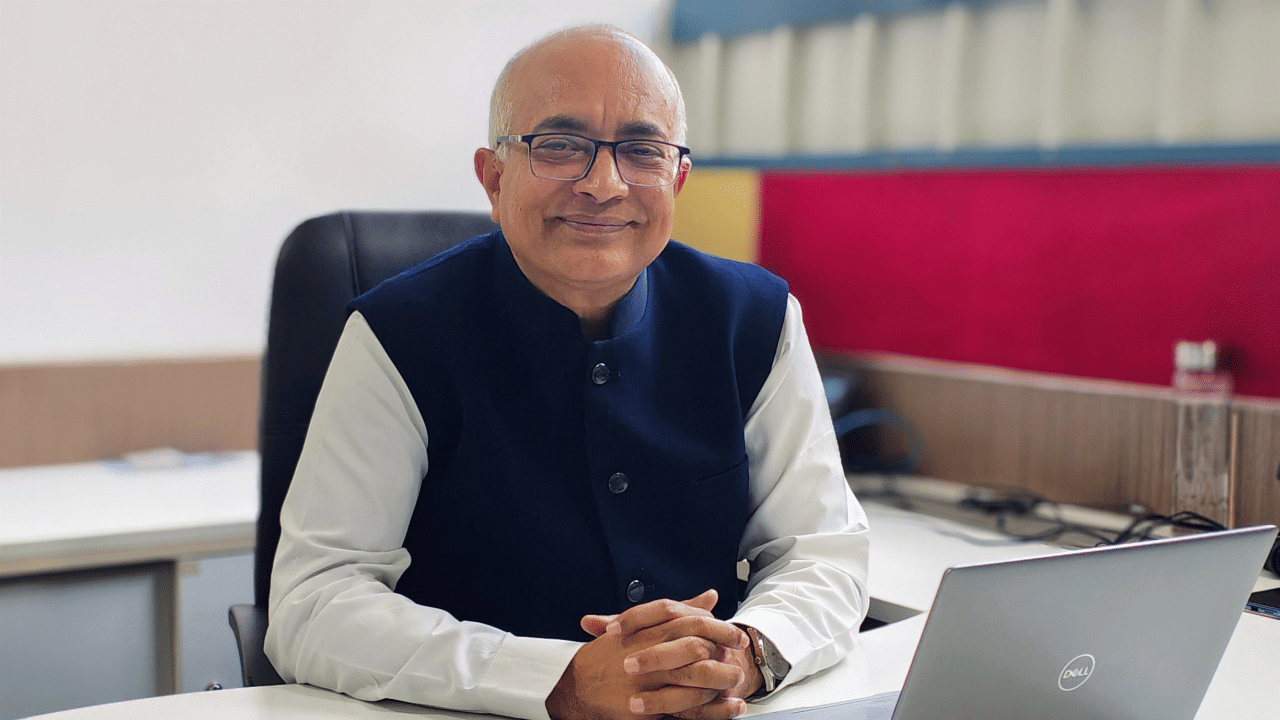
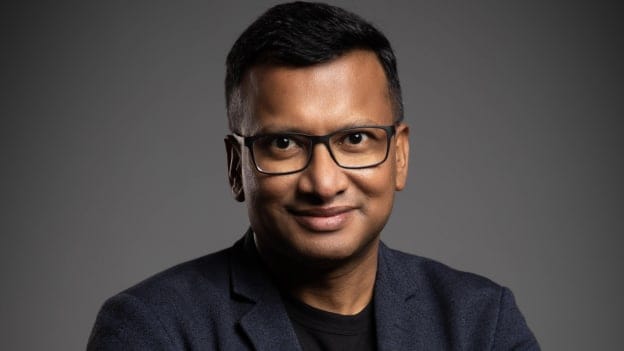
In this exclusive interaction, Subhankar Roy Chowdhury, Executive Director-HR, Asia Pacific, Lenovo India shares some insights on the new trends brought forward by the pandemic that will have significant implications for businesses in the long term; the biggest challenges in embracing diversity and inclusion at a strategic level; and how companies can attract or retain diverse talent from any location around the globe.
Subhankar Roy Chowdhury, Executive Director-HR, Asia Pacific, Lenovo India is responsible for developing the people agenda aligned to the business for Lenovo India. Since APJ region offers a wide range of people-focused themes because of complex geographies with varied people issues, disparate talent needs, multi-generation workforce, different socio-economic models of growth, and different labor markets and policies, he plays a critical role in creating the right talent agenda for the organization. He is also a speaker and mentor with varied interests and experiences in cross-cultural leadership, organization transformation, HR technology, and talent practices to create a human work environment in the digital age.
Here are the excerpts from the interview.
The crisis has brought in many new trends in terms of how and where work gets done. What trends do you think will have significant implications for businesses in the long term?
The pandemic has triggered unprecedented disruptions in workplaces and school, to social connections and industries. It has also accelerated digital transformation into warp speed in 2020, creating radical shifts in the new “everything-from-home" environment. As a wide array of companies re-examine the workplace's functionality and recalibrate to varying levels of a work-from-home or work-from-anywhere, we’ll start to see more traditional office workspaces become periodic collaboration hubs and home offices become the day-to-day workplace in a new hybrid work model.
This presents a series of challenges and opportunities:
- For Work, accelerated digitization offers new opportunities, and companies will look to invest in a solid business continuity plan and effective collaborative tools. The challenge they may face then is privacy concerns.
- For Workforce, it means a new strategy to supporting, retaining, and developing talent. Health and well-being will continue to be a priority with people operating in the new normal.
- For Workplace, we can expect smarter offices with more collaborative spaces. Companies will continue to offer flexibility in work hours. But as employees start returning to the workplace, the challenge is ensuring everyone’s health and safety.
Please share some insight into Lenovo’s latest Diversity & Inclusion Report. How has Lenovo’s D&I policy evolved/transformed in the last two decades?
Lenovo’s Diversity and Inclusion (D&I) Report highlights the annual snapshot of workforce demographics, hiring and attrition data, and a recap of the past year's diversity and inclusion highlights. Under the theme “Smarter for all”, the third annual report celebrates Lenovo’s achievement of reaching its three-year representational goals for gender and race/ethnicity.
Since Lenovo first began reporting its workforce representation three years ago, the company has experienced progress in several key areas:
Representing Gender Equality Globally:
- The representation of women within the overall workforce remained consistent from 2019 at 36 percent.
- Representation of women within executive roles worldwide grew from 18.5 percent to 21 percent.
- Since first announcing the company’s three-year goal of 20 percent in 2018, the representation of global female executives has grown three percent.
Remote work, beyond being effective, has opened up opportunities for inclusion. People who can’t afford transportation to work can work virtually. Companies can attract or retain diverse talent from any location around the globe. What’s your view on this?
The global telework movement initiated by pandemic has the potential to boost the careers of D&I talent. In our COVID-19 Workplace Practice survey conducted last year, 85% of employees indicated better work-life balance with reduced commute time and dressing-up time, allowing them more time to focus on work, family, and personal hobbies. 50%+ employees indicated they could better manage work and home responsibilities while working from home. With the mental bias around work from home diminishing and realized productivity improvement, underrepresented employees can join & rejoin the workforce while balancing work and life.
We are conscious that remote work also comes with its own set of challenges. But practice over time and embraced by every individual in the organization, remote work can present opportunities for all of us to think about what it truly means to collaborate and improve our organizations. There are some ways to transition employees to remote work option more smoothly, and these include:
- Having effective hybrid working tools: When the pandemic hit, 40% of Lenovo employees indicated ergonomics, systems, and connectivity as a challenge while working from home. For effective long-term hybrid working, we will require enhanced devices, built-in high-speed connectivity that allows employees to work from home effectively, along with policies/allowances for ergonomic setup.
- Focusing on customer experience: Inability to meet customer F2F has been a big challenge during the pandemic. Ensuring top and personalized customer experience while working virtually would be a key focus area.
- Enabling management of virtual teams: Equipping managers with tools and training for effective brainstorming and work planning would make the transition easier.
- Investing in virtual employee engagement: E-learning has been the most used employee program during the pandemic and will be an even bigger developmental and engagement tool for employees in 2021.
What, according to you, are the biggest challenges in embracing diversity and inclusion at a strategic level? How can the challenges be surmounted?
Diversity and inclusion initiatives risk being ineffective if they are only developed to comply with corporate governance and self-regulation. They may be well-meaning but are misguided in their intention and approach. We need to switch our mindsets to rethink and reinvent our diversity and inclusion approach as growth opportunities.
Below are some common challenges to embracing diversity and inclusion and ways to surmount them:
Common challenges -
- Changing demographics: The Millennial workforce has a whole new set of values, attitudes, skills, expectations, learning styles, and ambitions, as compared to the tenured workforce. With the increasing share of millennials in the workforce, inclusive work practices for the multi-generation workforce are going to evolve constantly.
- The complexity of a global organization: There is no one size fits all. What works for one country or region may not work for another. Customized D&I solutions with a global-local approach are necessary for impactful results.
- COVID-19 pandemic and the impact on women: Like most global crises, the impact of COVID-19 has also not been gender-neutral. There is a considerable gender gap in employment, with only 21% of women in India active in the labor market (and declining as per the latest survey), 29.2% of women holding technical roles, and 14.6% Indian women in senior positions.
Here are some ways through which the challenges can be surmounted:
- Commitment from top management
- A systematic strategic plan with set quantitative and qualitative goals
- A holistic approach
- Employee involvement
- What gets measured gets done
- Diversity as imperative for the development of new products/services
How do you see the impact of the pandemic on D&I policy at Lenovo? How has the organization been building an inclusive environment for the workforce? Please shed some light on the initiatives taken by Lenovo.
Despite pandemic challenges, we are heartened to see that there is still an overall increase in employee perception and satisfaction towards Lenovo as a diverse and inclusive place to work. In a study done internally in 2020, our diversity dimension scores have been encouraging. As an organization, Lenovo is committed to providing a supportive environment that is inclusive and safe. This includes implementing various initiatives such as diverse hiring, flexible working arrangement, Women in Lenovo Leadership (WILL), Women’s Leadership Development Programme (WLDP), and D&I training to name a few.
How do you foresee the evolution of D&I strategy in the near future, especially in light of remote work culture? In the post-pandemic world, do you think, we need leadership that recognizes the potential of diverse talent and understands its implications on inclusion and culture?
The pandemic has served and should serve, as a catalyst to embed more inclusive practices and effective leadership within the organization. Remote work is a powerful way to attract, support, and retain talent from all backgrounds and help break down barriers uniquely faced by underrepresented employees. Now, more than ever, companies will need to put in the work to address underlying biases, stamp out discrimination and promote inclusivity if they want to create a culture where people from all walks of life can share their talent and feel a sense of belonging.
D&I requires sustained effort, and it starts with leaders and managers paving the way by being more compassionate and making conscious inclusion a daily practice. Post-COVID-19, the world would continue to see organizations realign work practices around flexible work hours, benefits, childcare, performance management, employee well-being, and engagement. Those who adapt the fastest will be successful in building a diverse and inclusive workforce for the future.