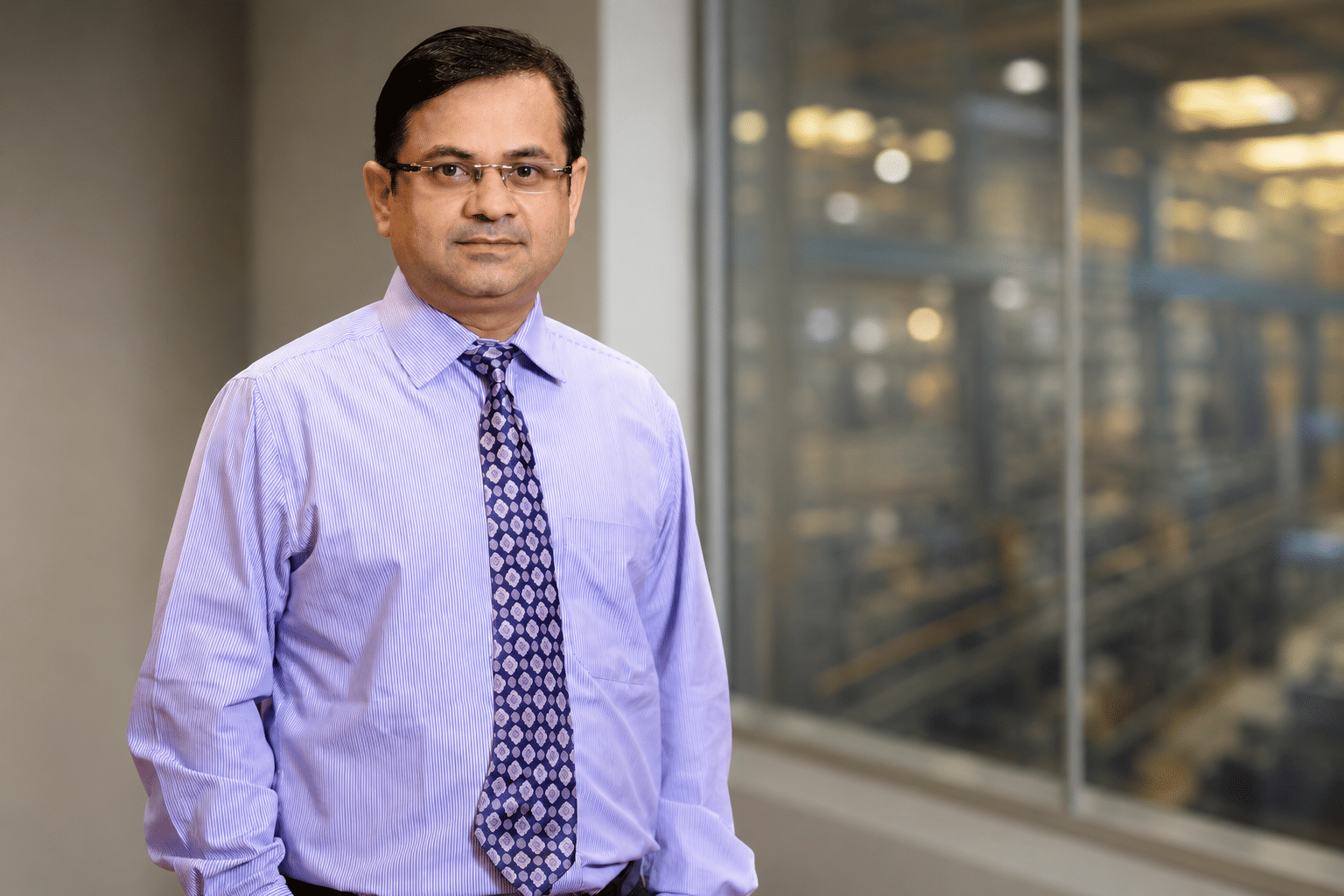
Inclusion in manufacturing is often discussed through the lens of diversity policies or hiring targets. Praveen Purohit, CHRO, Vedanta Aluminium Metal Limited (VAML), believes the real challenge lies elsewhere. On a factory floor, where safety, shift schedules and production targets shape every decision, inclusion is influenced as much by infrastructure and frontline leadership as by HR frameworks.
Speaking to People Matters, Purohit explains why industrial organisations need to embed inclusion into the design of work itself. From facilities and safety systems to supervisor accountability and career pathways, he outlines why operational integration determines whether inclusion becomes part of everyday work or remains a corporate aspiration.
Manufacturing presents a different inclusion challenge
Unlike office environments, manufacturing workplaces operate within physical and operational constraints that make conventional HR interventions less effective.
Purohit points to continuous shifts, safety-critical operations and rigid physical environments, alongside deeper operational silos and greater linguistic diversity. He also notes a structural issue.
"The foundational infrastructure ranging from restrooms to Personal Protective Equipment (PPE) has historically been engineered for a traditional, homogenous workforce."
Operational realities also influence how policies are experienced.
"Critical day-to-day decisions are executed at the shift-supervisor level, introducing a high degree of variance in how policies are practised."
Under pressure to deliver productivity and safety outcomes, inclusion priorities can easily lose visibility unless they become part of operational governance.
At VAML, Purohit says diversity is treated as "a core business imperative" supported through governance frameworks, manager accountability, infrastructure upgrades and programmes designed to expose employees to frontline operations early in their careers.
Belonging has to be designed into daily work
For Purohit, creating belonging on the shop floor is fundamentally different from creating it in office settings.
Employees work in tightly connected teams, often sharing transport, accommodation and common facilities alongside demanding operational schedules. Positive and negative behaviours therefore spread quickly, while formal feedback mechanisms may not always capture emerging concerns.
Instead of relying solely on awareness initiatives, VAML focuses on embedding belonging into everyday operations.
The company cites:
- Women accounting for 21% of core operations.
- Fifty-one transgender employees integrated into frontline roles.
- All-women teams operating across potlines, locomotives and the Agnivahini fire squad.
- Peer-led support structures, daily inclusive toolbox talks and confidential grievance mechanisms aligned to shift work.
According to Purohit, "belonging... has to be deliberately built into the system, not left to chance."
Infrastructure determines whether inclusion is real
Perhaps Purohit's strongest message is that inclusion succeeds or fails through workplace design.
"In industrial workplaces, inclusion is ultimately tested not in policy, but in infrastructure. If facilities, accommodation, safety systems, and workplace design are not built for diversity, inclusion remains aspirational."
He identifies several operational priorities organisations should address:
- Secure and hygienic restrooms.
- Appropriate changing facilities.
- PPE and uniforms designed for different body types.
- Safe, shift-aligned transport.
- Fair accommodation policies.
- Inclusive medical support.
- Accessible grievance mechanisms that employees trust.
At VAML, one example is its Gender Reaffirmation Policy, which includes financial assistance of up to ₹2 lakh, paid leave, medical guidance and accommodation support. Purohit adds that infrastructure improvements are introduced through site pilots before being refined and expanded across locations.
Supervisors shape inclusion more than policies
While organisations often focus on enterprise-wide policies, Purohit believes employees experience inclusion primarily through their immediate managers.
"Policies don't shape day-to-day experience; people do." He adds: "For an employee, their immediate manager is the organisation."
Supervisors influence work allocation, training opportunities, communication and conflict resolution. Inclusive leadership therefore becomes part of operational capability rather than a standalone HR competency.
At VAML, inclusive behaviours are incorporated into manager performance goals, with outcomes such as engagement, retention and grievance resolution tracked alongside operational performance. Supervisors are also supported through training, peer champions, escalation mechanisms and structured communication platforms.
As Purohit puts it: "Culture is what is practised every day on the floor. And frontline managers are the ones who set that standard."
Operational systems matter more than awareness programmes
Purohit argues organisations need to move beyond awareness campaigns by embedding inclusion into operational metrics and daily routines.
He identifies several practices that support this shift:
- Linking retention, absenteeism, engagement and grievance resolution to operational KPIs.
- Starting shifts with inclusive toolbox talks.
- Using pre-shift checklists covering dignity and psychological safety.
- Deploying shift-aligned inclusion champions and buddy programmes.
- Applying transparent criteria for training and promotions.
- Using confidential reporting systems that provide anonymised feedback trends.
- Encouraging senior leaders to participate in shift rotations and address cultural issues directly.
In his view, operational execution creates lasting behavioural change more effectively than standalone awareness initiatives.
Hiring is only the beginning
Reflecting on VAML's experience of employing transgender professionals, Purohit says one lesson became clear early.
"Hiring alone does not create inclusion, workplace readiness does."
The organisation's first pilot at BALCO highlighted the need for sensitisation, infrastructure, manager capability and structured onboarding alongside recruitment.
A second lesson was equally significant.
"Representation needs to be scaled to be sustainable."
Moving beyond isolated hiring helped normalise diversity across teams while reducing social isolation. Purohit also stresses the importance of structured skilling, career pathways and practical interventions that address healthcare, housing and financial barriers.
The next phase of inclusion will be operational
Looking ahead, Purohit believes leading organisations will move beyond HR-led initiatives towards operational ownership.
He expects inclusion to become part of shift planning, safety systems, talent pipelines and frontline performance reviews. Organisations will also need to invest in infrastructure such as housing, adapted PPE and healthcare while tracking recruitment, retention and career progression through measurable outcomes.
His conclusion reflects the broader theme running through the conversation.
"In operational environments, inclusion is not what you say, it is what your systems enable and your leaders practise, consistently and at scale."