




Cross-cultural competence is becoming an important part of professional development as organisations increasingly bring together employees across geographies, backgrounds and working styles. For employees, the ability to navigate different perspectives can influence collaboration, decision-making and leadership effectiveness beyond functional expertise.
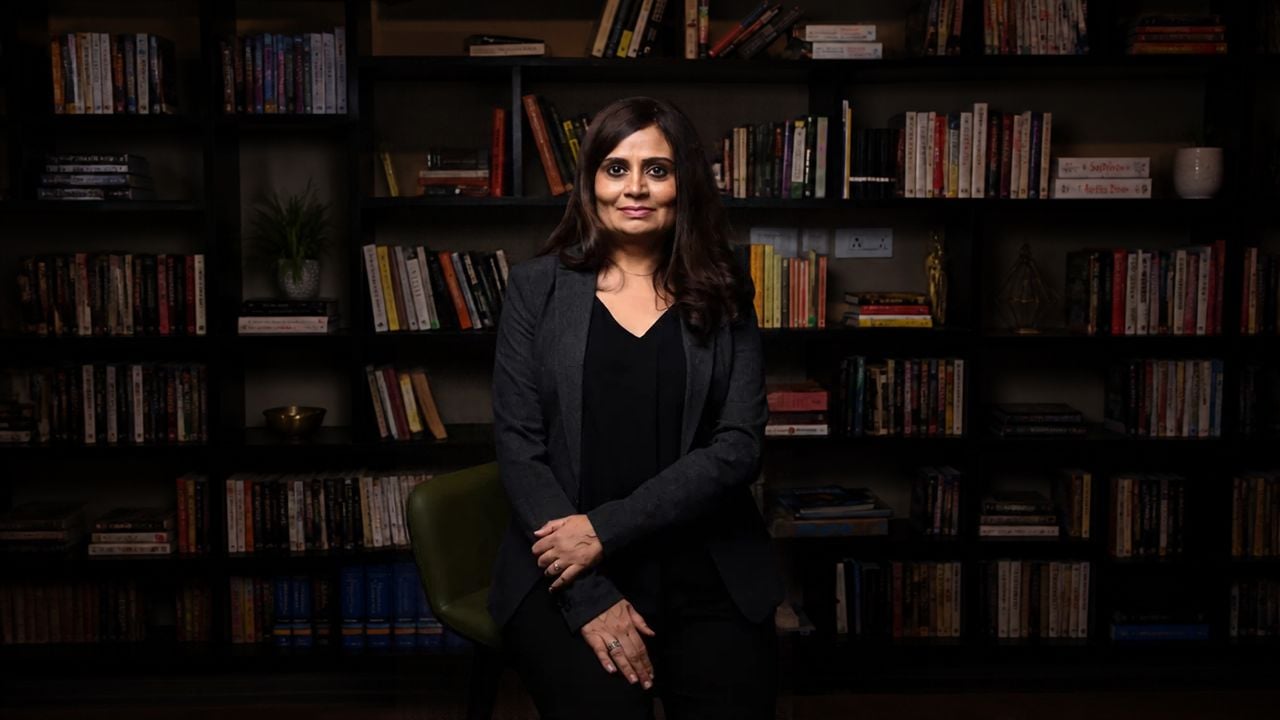
For Shivalika Pathak, Director – HR Business Partner, India, LiveRamp, working across cultures is not simply about understanding different nationalities. It involves recognising differences in communication, feedback, hierarchy and problem-solving, while remaining open to approaches beyond one's own experience.
Having lived and worked in India and Europe, Pathak believes exposure to different workplace cultures has shaped her professional outlook. She points to the value of combining structured guidance with individual ownership, two approaches she experienced at different stages of her career.
"Starting my career in India gave me a strong foundation. As a fresher, having clear instructions, guidance and support from seniors helped me understand my role and learn the basics," she said.
Her experience in Europe introduced her to a different working environment, with greater emphasis on individual ownership, initiative and openly expressing opinions. The contrast encouraged her to become more independent and comfortable with questioning things.
"Both experiences have shaped the way I work today. I believe there is something valuable to learn from every culture," Pathak said.
Why technical expertise alone may not be enough
Professional qualifications and functional expertise remain important, but working effectively across geographies requires an additional set of interpersonal capabilities. These include curiosity, adaptability, open communication and the ability to build relationships with colleagues whose approaches may differ.
Pathak believes professionals who thrive in global teams are often willing to step outside familiar ways of working. Their ability to understand colleagues, respect differences and establish trust can influence how effectively teams collaborate.
"Working with global teams is not just about completing your tasks. It is also about communicating openly, building relationships and understanding how others work," she said.
She also highlights the importance of informal interactions in building workplace relationships. Conversations beyond immediate work responsibilities and showing interest in colleagues can help establish trust across geographically distributed teams.
For leaders, cross-cultural exposure can also influence how decisions are made and how organisational relationships develop. Understanding different perspectives allows them to adapt their approach rather than rely on a single management style.
"As a leader, this helps you understand people better and adapt your approach depending on the situation," Pathak said.
She added that influence is not necessarily determined by authority or visibility. Listening, building trust and bringing people together are equally important, particularly for HR leaders working across functions, levels and geographies.
Five ways organisations can create cross-cultural exposure
International assignments and relocation are not the only routes through which employees can develop cross-cultural capabilities. Pathak believes organisations can build meaningful exposure through everyday workplace interactions, particularly in virtual and hybrid environments.
She identifies five practical approaches:
Global projects: Bringing employees from different countries together to work on shared business priorities can help them understand different perspectives, working styles and approaches to problem-solving.
Mentoring and buddy programmes: Connecting employees with colleagues based in other locations creates opportunities to exchange experiences and understand how different teams operate.
Inclusive meetings: Organisations can encourage participation by considering time zones, communication styles and local holidays, while ensuring employees have opportunities to express their views.
Knowledge-sharing sessions: Global town halls, learning sessions and interactions with international offices can help employees understand how colleagues elsewhere approach their work.
Global leadership exposure: Giving employees opportunities to present their work, participate in cross-country discussions and take ownership of international projects can strengthen their confidence and understanding of global business environments.
Pathak also draws on the working structure at LiveRamp to illustrate how employees can gain such exposure without relocating. The organisation has teams across multiple countries, bringing colleagues together on shared projects.
"At LiveRamp, teams are comprised of team members from around the world. You can be working with someone home-based in Australia, at our headquarters in San Francisco, in our London office, and our New York office — all on one project!"
Such interactions can provide employees with opportunities to understand different professional perspectives through regular collaboration rather than occasional international exposure.
The assumptions professionals need to unlearn
Developing cross-cultural competence also requires employees to reconsider assumptions about how people should communicate, make decisions and approach workplace responsibilities.
Pathak identifies the belief that one's own working style is universally correct as an important assumption to unlearn. Differences in communication, feedback, decision-making and hierarchy should be understood rather than judged against a single standard.
She also cautions against interpreting communication styles through cultural stereotypes. Direct communication does not automatically indicate rudeness, just as taking longer to express an opinion does not necessarily suggest a lack of confidence.
"Another important lesson is to communicate clearly instead of assuming that others automatically understand our expectations," she said.
For employees working across geographies, this means clarifying responsibilities, asking questions and expressing disagreements respectfully. It also requires an awareness that colleagues may interpret the same interaction differently.
In Pathak's view, curiosity and a willingness to learn are essential to navigating these differences. Professionals need to listen before forming conclusions and remain open to approaches beyond their own experience.
Cultural intelligence as a leadership capability
As organisations become more geographically distributed, cross-cultural competence is likely to remain relevant to how future leaders build relationships and manage teams. Functional expertise will continue to matter, but leaders will also need to understand different expectations and working styles.
Pathak believes cross-cultural competence will become as important as functional expertise for future leaders. Technical knowledge alone cannot ensure effective collaboration if professionals struggle to communicate, build trust or bring people together.
"You do not need to know everything about every culture, but you do need to be willing to understand people and learn from them," she said.
For organisations, the challenge is to make cross-cultural learning part of everyday work rather than treating it as an experience reserved for employees selected for international assignments. Global projects, inclusive interactions and opportunities to work with international colleagues can help build this capability across teams.
Pathak's central message is rooted in the people dimension of leadership: "Ultimately, leadership is about people. The better we understand each other, the better we can work together and achieve common goals."