Most organisations do not have a shortage of skills language. The harder problem is knowing which capabilities the business needs, where those capabilities already sit and how quickly talent can be moved towards the work that matters most.
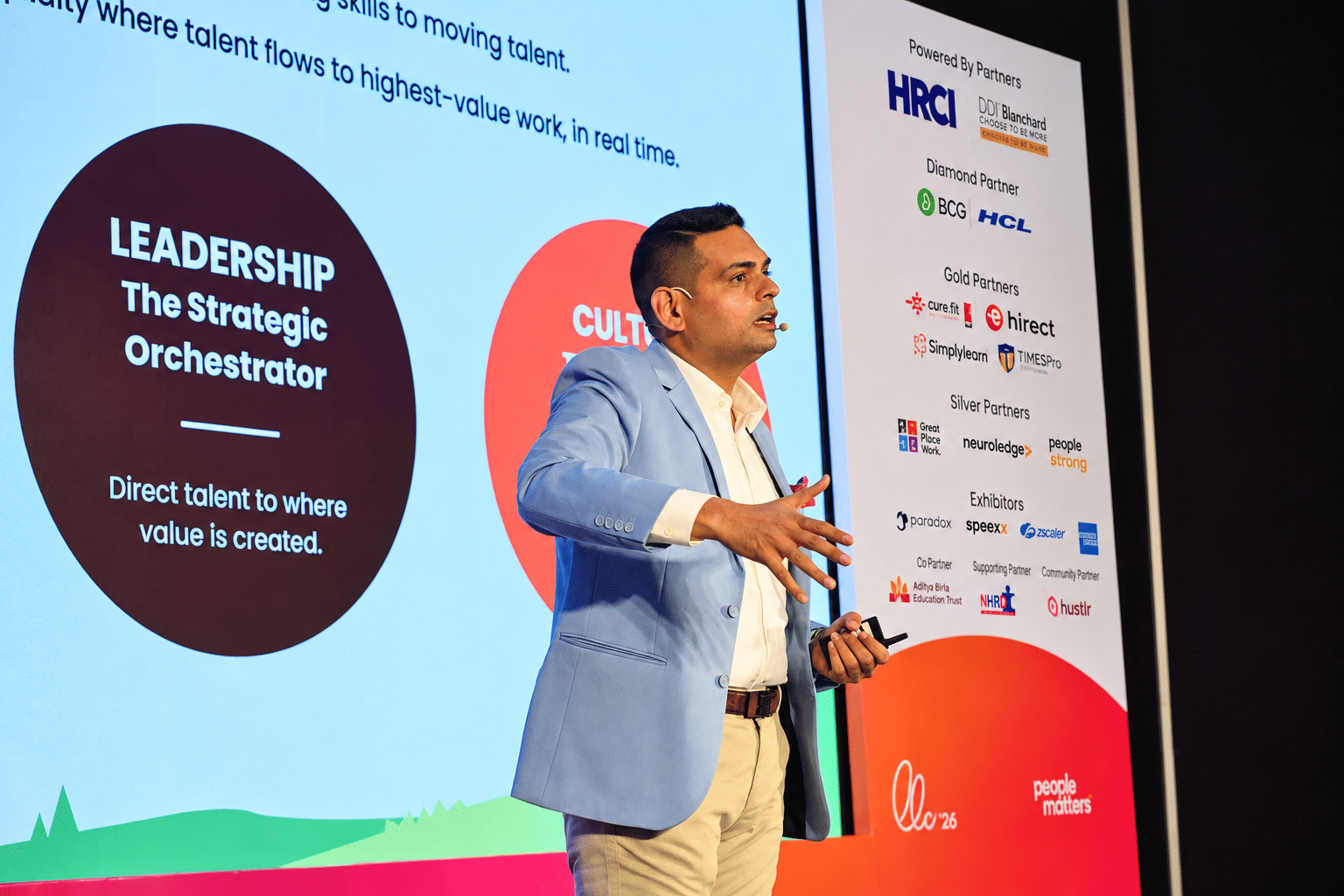
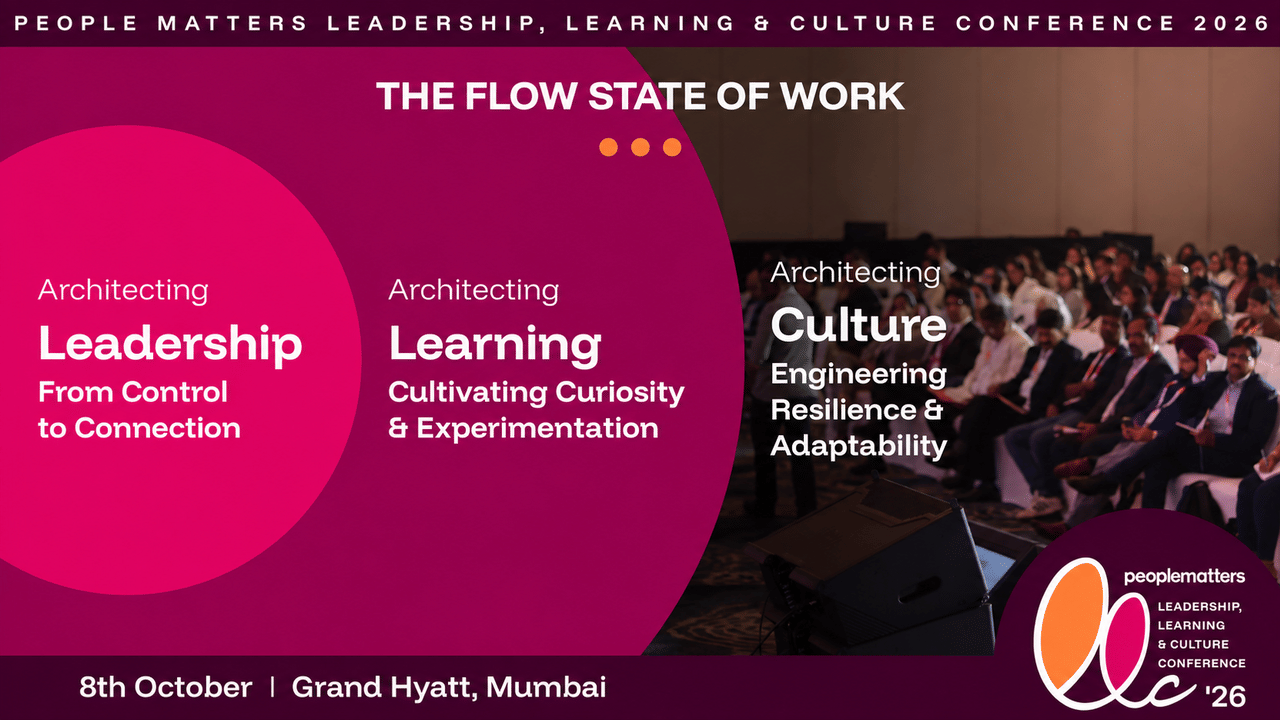
That is the question at the heart of People Matters Leadership, Learning & Culture Conference 2026, taking place on 8 October at Grand Hyatt, Mumbai. Under the theme Skills Intelligence 2.0: Optimising Workforce Liquidity Through Strategic Orchestration, the conference is putting the focus on execution: turning workforce insight into sharper decisions about work, skills, deployment and growth.
Workforce liquidity is not movement for movement’s sake. It is an organisation’s ability to identify talent, build relevant capability and redeploy people with speed and precision as business priorities shift. Achieving it requires leadership, learning and culture to operate as one system. Leadership must make the choices, learning must build the capability, and culture must make movement and experimentation possible.
This is where the leaders taking the stage matter. Their experience spans automotive, logistics, infrastructure, manufacturing, telecommunications and hospitality, sectors with very different operating realities, but a shared need to prepare people faster than conventional talent models allow.
These leaders represent only part of a much wider speaker line-up shaping LLC 2026. Together, they offer an early glimpse of the perspectives that will move the conference from theme to action.
Two CEOs, two transformation clocks—and one talent question
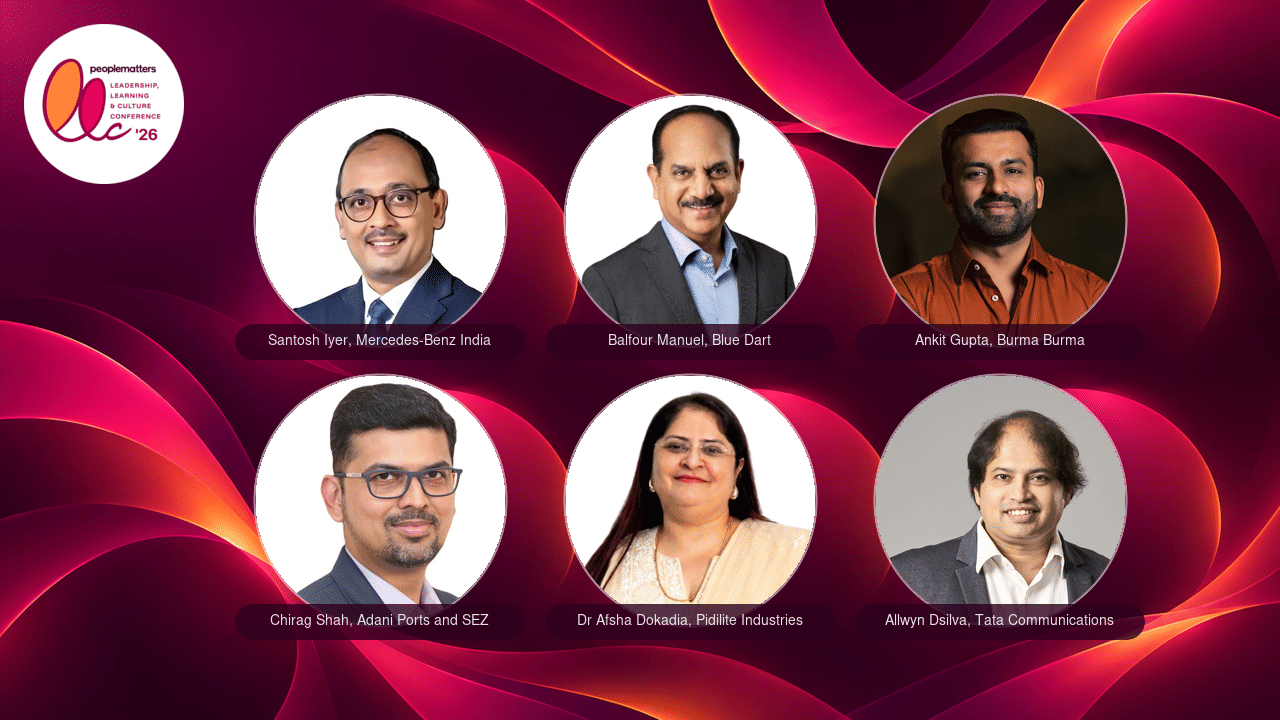
Santosh Iyer, Managing Director and CEO, Mercedes-Benz India, brings the perspective of a business in which technology, customer expectations and capability requirements are changing together. His lens can help leaders understand what transformation looks like from the CEO’s chair: which talent bets deserve investment, what capabilities must be built ahead of demand and how leadership expectations change when the business itself is being reconfigured.
Alongside him, Balfour Manuel, Managing Director, Blue Dart, brings more than four decades of experience from an industry where reliability depends on people, networks and execution working in sync. His journey offers a valuable view of leading through multiple cycles of growth and technological change while retaining a people-first operating culture.
Together, their candid conversation, CEO’s Bet: How Talent Priorities Are Being Rewritten at the Top, moves the talent discussion closer to enterprise decision-making. For leaders in the room, the value lies in understanding what CEOs now expect from HR, which workforce risks have reached the top table and how people leaders can translate business inflection points into timely talent choices.
Chirag Shah: Making workforce strategy work at operational scale
For Chirag Shah, Chief People Officer, Adani Ports and SEZ, workforce transformation plays out across complex, distributed and increasingly technology-enabled operations. His experience brings an essential test to the idea of workforce liquidity: can a skills strategy work where growth, safety, productivity and frontline execution are inseparable?
His perspective connects the conference theme to the realities of workforce planning, leadership development, reskilling and internal movement at scale. Delegates can expect insight into how organisations decide whether to develop, hire or redeploy talent; how automation changes roles without removing the need for human judgement; and what it takes to give frontline employees credible pathways into emerging work.
This is the operational edge Skills Intelligence 2.0 needs. Skills data creates value only when it improves a real workforce decision.
Dr Afsha Dokadia: Rebuilding HR for the mandate ahead
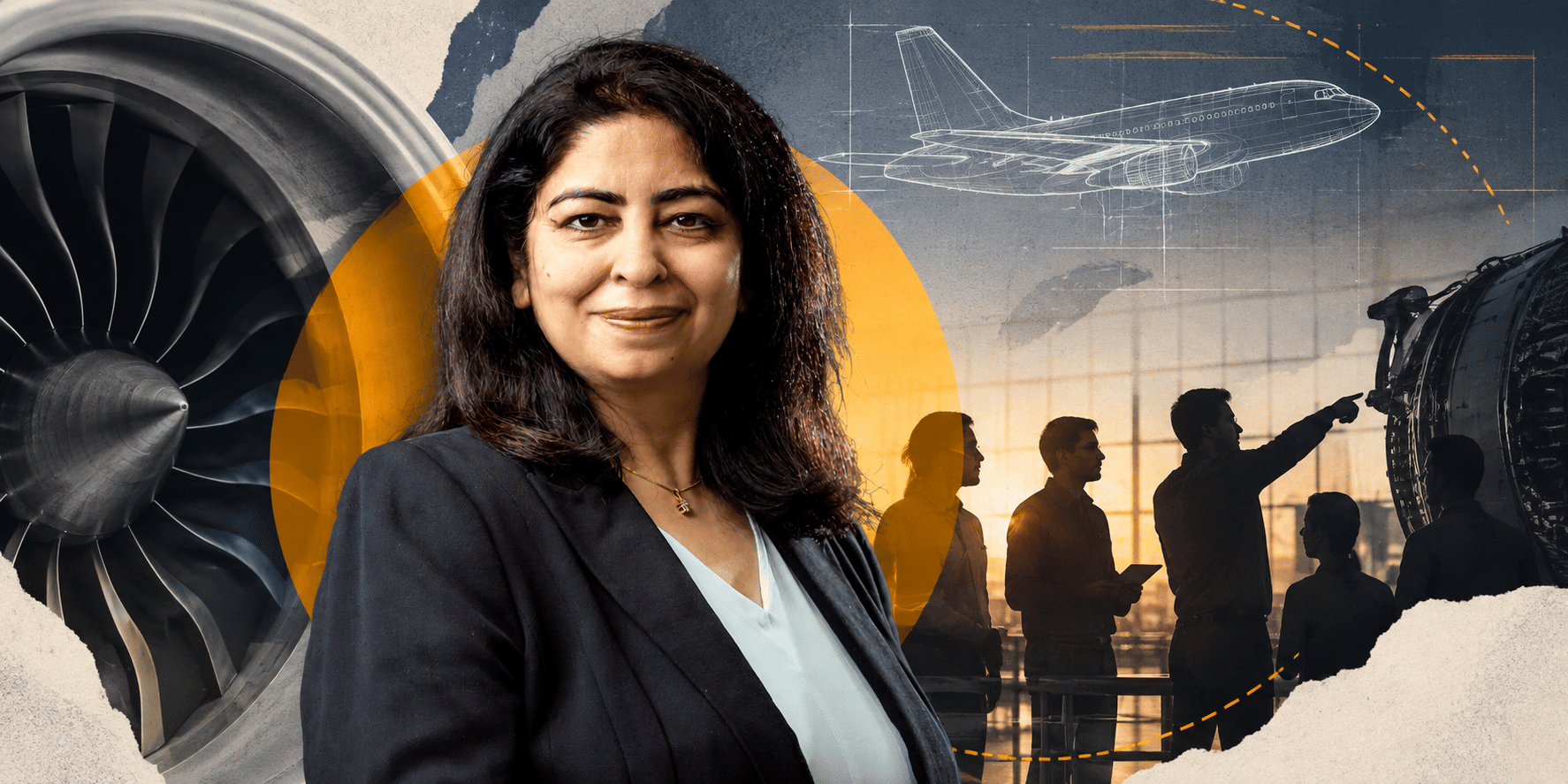
As Chief Learning Officer at Pidilite Industries, Dr Afsha Dokadia sits at the intersection of capability, leadership and business change. Her presence in the conversation on Reinventing HR Leadership: Building the Function for What’s Next brings a critical question to the conference: can HR shape the future of the enterprise through an operating model designed mainly to support its present?
Her learning lens is particularly relevant as HR teams face rising expectations around data and AI fluency, business acumen, workforce strategy and organisational design. The discussion can help leaders distinguish between adding more programmes and building the capabilities the function genuinely needs.
The action point is sharper than a list of future skills. It is about deciding what HR should own, how its leaders should operate and how learning investments can be connected to behaviour, performance and business outcomes.
Allwyn Dsilva: Giving skills intelligence somewhere to go
Knowing what skills exist across the workforce is useful. Showing employees where those skills can take them is where intelligence begins to influence movement.
Allwyn Dsilva, Vice President and Global Head of Learning & Development, Future of Work and Business HR, Tata Communications, brings experience in connecting learning, career pathways, internal opportunities and AI-enabled talent experiences. His perspective grounds internal mobility in the employee journey, from discovering a possible role to preparing for it and building the confidence to move.
For L&D and talent leaders, this creates a practical line of inquiry: what must be in place before an AI layer is added? How should skills data connect with roles, aspirations and business demand? And which measures show that learning has improved mobility or performance rather than simply increased participation?
His contribution gives the conference’s intelligence engine a clear destination: better opportunities for people and faster access to capability for the business.
Ankit Gupta: Turning culture into moments people can experience
Ankit Gupta, Co-Founder, Burma Burma, brings a founder’s perspective to a challenge many large organisations struggle to solve: how to preserve what makes a business distinctive while scaling it.
Burma Burma grew from an unfamiliar culinary proposition into a multi-city brand by turning its roots, values and attention to detail into an experience guests could recognise. In From Unknown to Unmissable: What Burma Burma Teaches Us About Building Culture & Experience, Gupta takes culture out of the values deck and places it in the repeated choices that employees and customers encounter every day.
For leaders, this is a useful reminder that culture is not transmitted through statements alone. It is designed through hiring, training, rituals, standards, stories and the small signals leaders reinforce. His session can help delegates think more deliberately about the behaviours that must remain consistent as their organisations grow, and the parts of culture that must evolve.
Where these perspectives come together
The power of this leader line-up lies in the connections between their experiences. CEO priorities establish where the business is heading. Skills intelligence reveals the capabilities available and the gaps ahead. Learning builds what is missing. Internal mobility moves people towards opportunity. Leadership creates accountability for difficult trade-offs. Culture determines whether employees trust the change enough to participate in it.
These are not separate conversations. They are parts of the same workforce system.
For delegates, the intended outcome is practical: greater clarity on which capabilities genuinely move performance, how to make talent more visible and mobile, where AI can improve workforce decisions, how to prove the business value of learning and what leaders must personally own as work is redesigned.
People Matters LLC 2026 is bringing these perspectives into one room so leaders can move beyond collecting skills and begin orchestrating impact. The question is not simply whether the workforce is ready for what comes next. It is whether the organisation can recognise its potential, move it with purpose and convert it into performance.
Across the day, 500+ delegates, 40+ speakers and 25+ solution partners will come together for 10+ hours of learning, debate and exchange across the Leadership Studio, Learning Studio and Culture Lab & Workshop.
Join the room on 8 October 2026 at Grand Hyatt, Mumbai. Meet the wider community of business, HR, learning and culture leaders shaping what comes next—and take back ideas that can be applied to the decisions your organisation is making now.