As organisations navigate technological disruption, changing business requirements and evolving workforce expectations, one of HR’s most important responsibilities is to build the capabilities that will allow the business to adapt. This calls for more than identifying emerging skills. It requires preparing employees to participate in change, creating opportunities for continuous development and ensuring that the next generation of leaders is ready to take on greater responsibility.
For CHROs, the challenge is to connect these priorities with the organisation’s long-term business direction. How do they build a workforce that can adapt to changing roles and technologies while also creating a sustainable pipeline of future leaders?
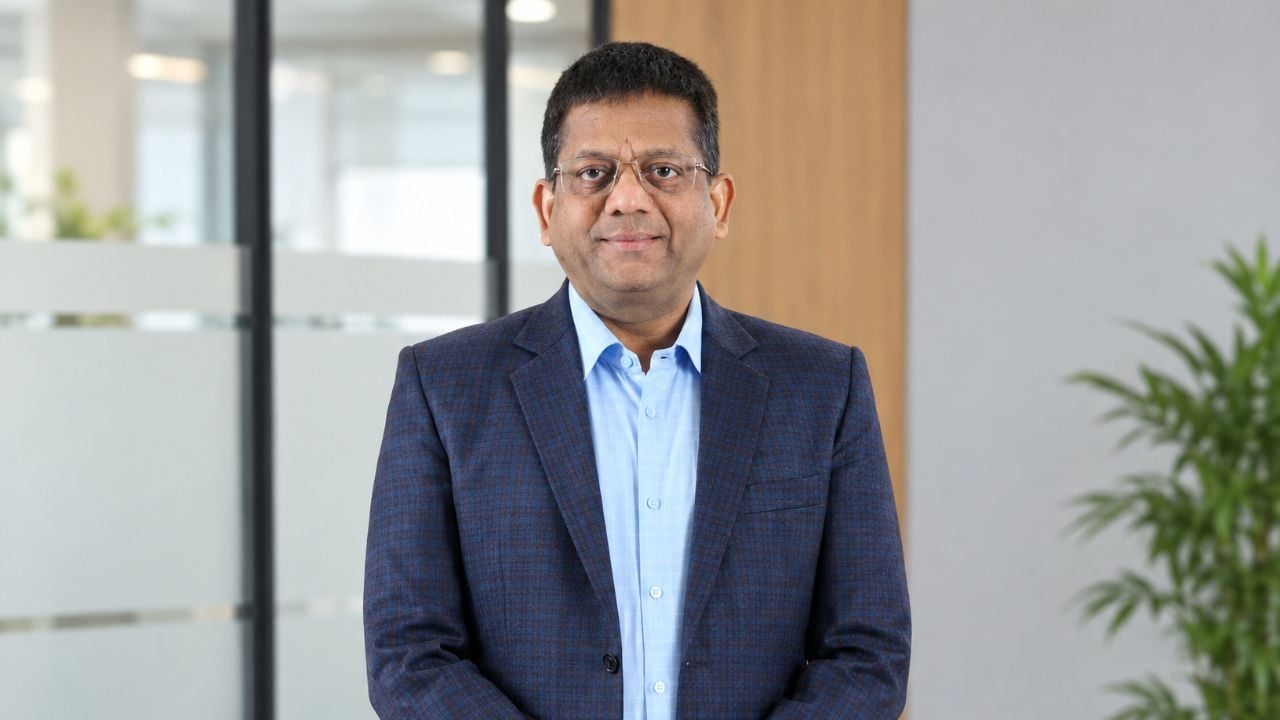
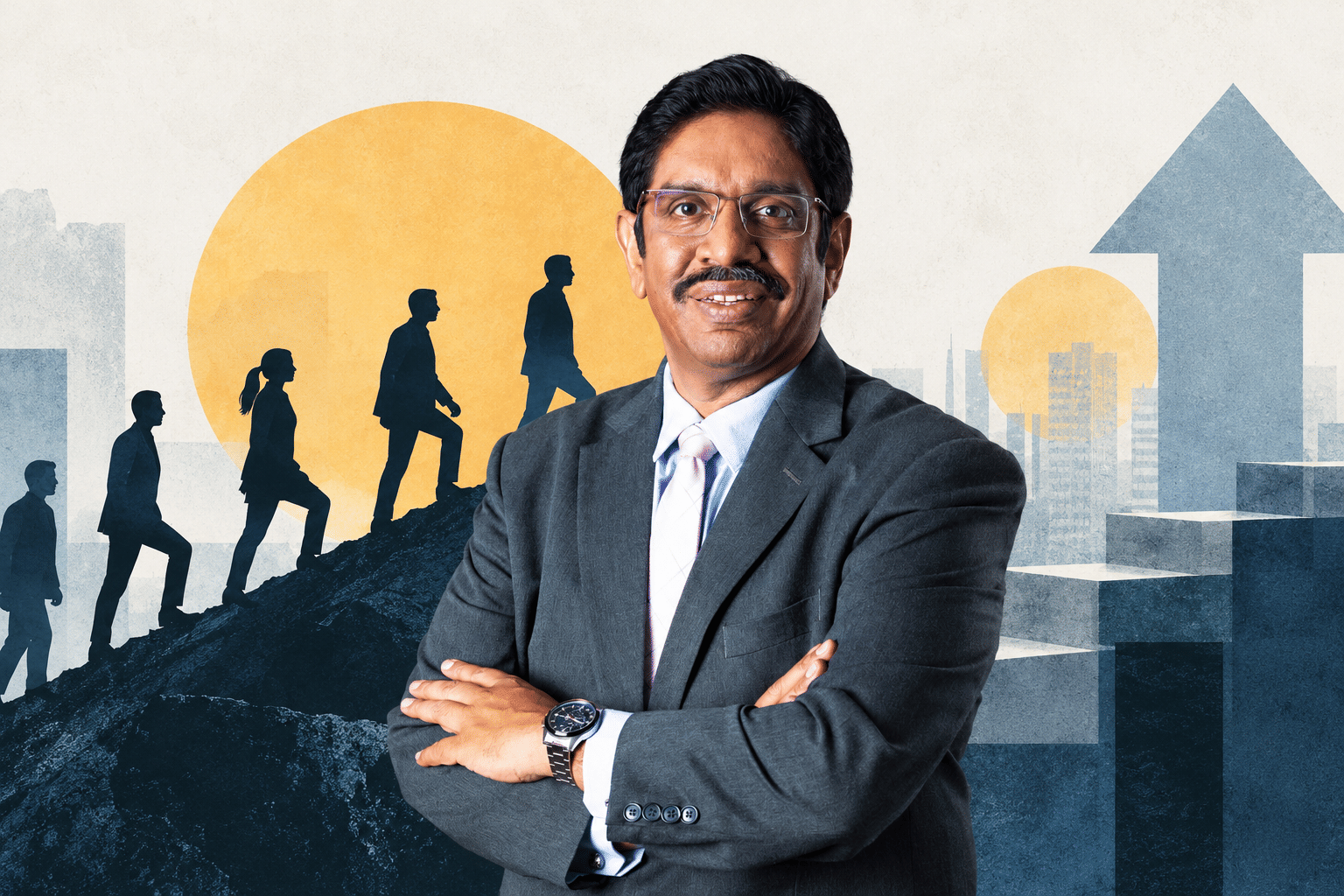
For Ajay Singhroha, Group Chief Human Resources Officer, Minda Corporation Limited, this begins with a people-first approach to transformation. Drawing on his experience across organisations including Hindustan Zinc, Bombardier, Unilever and General Motors, Singhroha points to three interconnected priorities: preparing people for change, continuously developing workforce capabilities and investing in leadership succession.
Making employees partners in transformation
The automotive industry is undergoing significant shifts, with electrification, electronisation, software integration, automation and digitalisation changing products and the way organisations operate. These developments are also influencing customer expectations and workforce aspirations.
For HR leaders, the implications extend beyond preparing employees to use new technologies. They must help people understand why change is taking place and how they can contribute to it.
Singhroha identifies resistance to change as one of the key challenges organisations face during transformation. Building awareness among leaders about emerging technologies and identifying relevant business use cases are important steps. However, employees also need to be brought into the process.
“The challenges that come with it are that you are dealing with humans, and normally you would see resistance to change around any change that comes to the organisation. How do you overcome and make our employees partners in this journey?” he says.
At Minda Corporation, a business transformation organisation works on specific transformation projects. The broader lesson for HR is the importance of connecting transformation priorities with employee participation. As organisations change processes and ways of working, employees need to be treated as participants in that journey.
Reskilling must keep pace with changing work
Technological shifts are also changing the capabilities organisations need. In the automotive sector, increasing product complexity and the growing role of software and electronics are raising the demand for specialised skills.
Singhroha points to the need for organisations to move towards system-level solutions and strengthen their engineering and research and development capabilities. This, in turn, makes it important to identify the skills and capabilities that future business requirements will demand.
He outlines a multi-pronged approach to building these capabilities: developing talent internally, partnering with external organisations and working with institutional frameworks. The approach recognises that organisations may need to build some capabilities themselves while accessing others through partnerships.
For HR, this means making workforce development a continuous process rather than responding to skill gaps only when they emerge.
“If I have to put this long answer into a few short words, I'll say reskilling and upskilling is very critical. It goes in a cycle, so you reskill, you upskill, you reskill, you upskill, and that cycle gets repeated,” he says.
This cycle becomes particularly important as organisations move into more complex areas of work. HR must anticipate the capabilities the business will need, understand where existing skills may fall short and create pathways for employees to keep developing.
Succession planning is a long-term investment in leadership
Workforce transformation also raises a longer-term question: who will lead the organisation through its next phase of growth?
Singhroha describes succession planning and leadership development as important elements of Minda Corporation’s people-first philosophy. The focus is on building a talent pipeline and preparing employees to take on progressively larger responsibilities.
“We are preparing leaders for tomorrow who would be better than us,” he says.
The approach includes leadership development programmes at institutions such as IIMs and Harvard, alongside job rotations and opportunities to move across different roles. Singhroha describes a career progression that can take an employee from an individual contributor role to people management, leading managers or functions, and eventually taking on business leadership responsibilities.
He also points to employees who joined as graduate engineer trainees and have progressed to lead businesses and become CEOs. Such examples underline the value of creating internal career pathways and giving employees opportunities to take ownership of their development.
For CHROs, succession planning therefore needs to extend beyond identifying replacements for key positions. It involves developing talent over time, giving people exposure to different responsibilities and building the leadership capabilities required for future business needs.
Singhroha also highlights the role of organisational values in sustaining this approach, particularly nurturing talent, respect and humility. These values, he says, need to be demonstrated by leaders through their own behaviour.
Change management as a defining leadership capability
Asked which leadership capability will matter most in building a future-ready organisation, Singhroha identifies change management.
The need for this capability is shaped by the scale and pace of disruption facing businesses. Geopolitical developments, changing market conditions, technological advances and evolving customer and employee expectations all add to the complexity leaders must navigate.
For organisations, responding to these shifts requires a willingness to move beyond established ways of working and build more agile structures. For HR, it means helping leaders and employees develop the mindset and capabilities to adapt.
Singhroha sees this as a continuing responsibility for the HR function: ensuring that organisations have the right talent, skills and mindset to support sustainable growth. He also emphasises the importance of learning from the wider industry through programmes and conferences, acknowledging that organisations do not have all the answers and must keep learning and evolving.
The implications for CHROs are significant. Building a future-ready organisation involves connecting workforce capability with business direction, creating meaningful opportunities for employees to grow and developing leaders who can guide the organisation through uncertainty.
As Singhroha’s perspective suggests, the measure of leadership development lies not only in the leaders an organisation has today, but also in the people it is preparing to lead tomorrow.