By: Sonal Jain
Every brand carries a story. It is shaped by purpose, sharpened by innovation, and carried to the consumer in a single moment of contact. Often, that moment begins at the pack. Our vision, Leading the Pack Sustainably, drives continuous innovation across materials, technologies, and manufacturing processes, enabling us to create packaging solutions that combine performance with sustainability.
Innovation requires expertise, collaboration and experimentation before it can deliver value. At its core, it is a mindset and a habit, as well as the ability to recognise patterns and develop solutions, however small or significant they may be. In packaging, a solution can involve material science, engineering, manufacturing, design, quality and customer teams. Giving employees opportunities to work beyond their defined roles can bring diverse knowledge into the innovation process and strengthen collaboration across teams.
The most valuable idea in an organisation may come from someone who understands a production process, spots a customer shift, identifies an operational problem or questions an established way of working. The challenge is creating a system where such observations can be examined, tested and developed into viable solutions.
Put people closest to the problem at the centre
People closest to a process often see where improvement is possible. An employee at the manufacturing line may identify an opportunity to reduce material consumption, a quality professional a recurring issue, while a customer-facing team may recognise an unmet requirement. Seeking these perspectives makes innovation part of everyday work. The essential point is that people possess a remarkable ability to observe.
However, without a framework to capture ideas, an environment to nurture them, and processes to act on and recognise their implementation, these observations can go to waste.
A sustainable packaging format must balance recyclability and material efficiency with protection, performance and feasibility. Different perspectives become an asset. Working with customers from concept and development through sample creation, stability studies, technical approvals and commercialisation can make innovation collaborative rather than an isolated R&D exercise.
Create a culture where people can challenge
Having ideas is one thing; feeling confident enough to share them is another. Employees need to know that questioning established ways of working is constructive. Hierarchy can discourage alternative approaches.
PwC’s 2025 Global Workforce Hopes and Fears Survey, covering nearly 50,000 workers across 48 economies, found that 56% feel safe trying new approaches, while 54% say their teams treat failure as an opportunity to learn. Employees with the highest psychological safety were 72% more motivated than those with the lowest. For organisations pursuing continuous improvement, this means creating space to question accepted processes, whether it concerns material use, efficiency, functionality or quality.
Turn ideas into action
A culture that collects ideas without acting can discourage participation. Employees need to know who evaluates an idea, what makes it worth testing and how feedback is communicated. A clear pathway shows contributions matter.
Promising ideas need experimentation, expertise, collaboration and ownership. In manufacturing, an idea may move through research, engineering, quality, sustainability and commercial teams. An innovation pipeline can include prototype development, product testing, stability studies, technical approvals and commercialisation. Defined stages move ideas from experimentation to market.
Build innovation through learning
Innovation depends on whether employees have the skills and exposure to see beyond their responsibilities. Creative thinking in technical environments depends on knowledge, analytical ability, curiosity and collaboration. Understanding how functions connect helps employees recognise inefficiencies and opportunities.
Deloitte’s 2025 Gen Z and Millennial Survey found that 94% of Gen Zs and 97% of millennials in India consider on-the-job learning helpful for career growth. In technical industries, learning is tied to new materials, equipment, specifications, troubleshooting and customer requirements. Practical exposure across engineering, manufacturing and quality helps employees assess how changes affect performance, quality, cost or sustainability.
Make innovation broader than breakthroughs
Innovation is broader than a new product or technology. It can mean improving a process, reducing waste, using resources better, developing materials, simplifying customer experiences or improving collaboration. Incremental improvements can create value when repeated.
This is particularly relevant to sustainability. Opportunities can emerge through lightweighting, recyclability, recycled content, energy efficiency and waste reduction. When these priorities become business challenges, employees across functions can contribute. Packaging companies, for example, are developing recyclable structures, reducing material use and improving production processes. These efforts connect customer value, performance and environmental responsibility.
Make innovation part of everyday work
Making innovation everyone’s job does not mean expecting
every employee to become an inventor. It means creating an organisation where
people notice opportunities, question assumptions, develop capabilities and
take ideas forward. Leadership sets direction, managers create space, and HR
builds systems and skills that support these behaviours.
When curiosity is supported by learning, experimentation by trust, and ideas by a clear path to execution, innovation becomes part of organisational culture. And strong cultures are built through listening to people closest to the work, connecting teams, learning from attempts and supporting promising ideas. When innovation is treated as a shared organisational capability rather than a specialist task, ideas can travel from the shop floor and customer conversation to the laboratory, production line and, ultimately, the market.
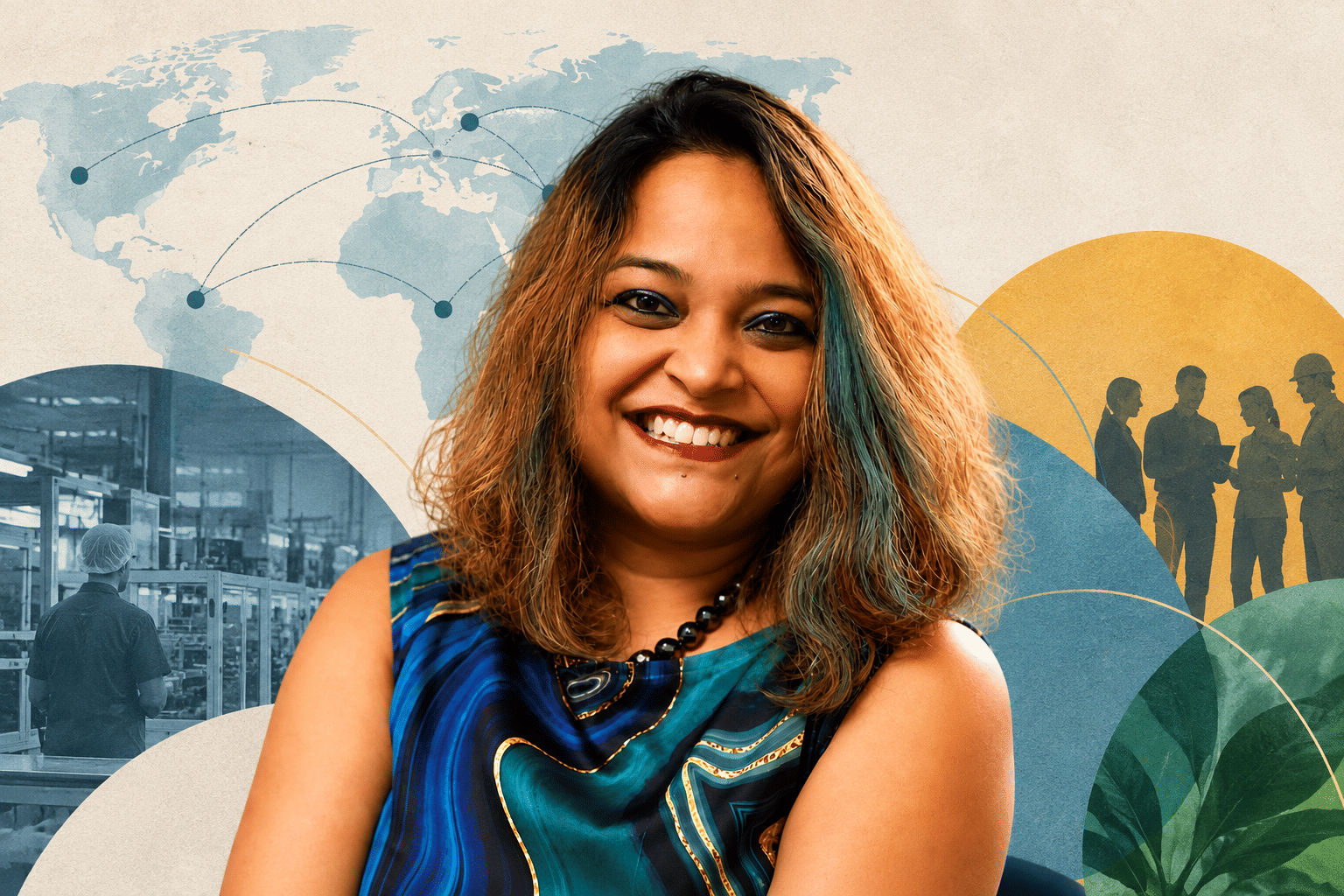
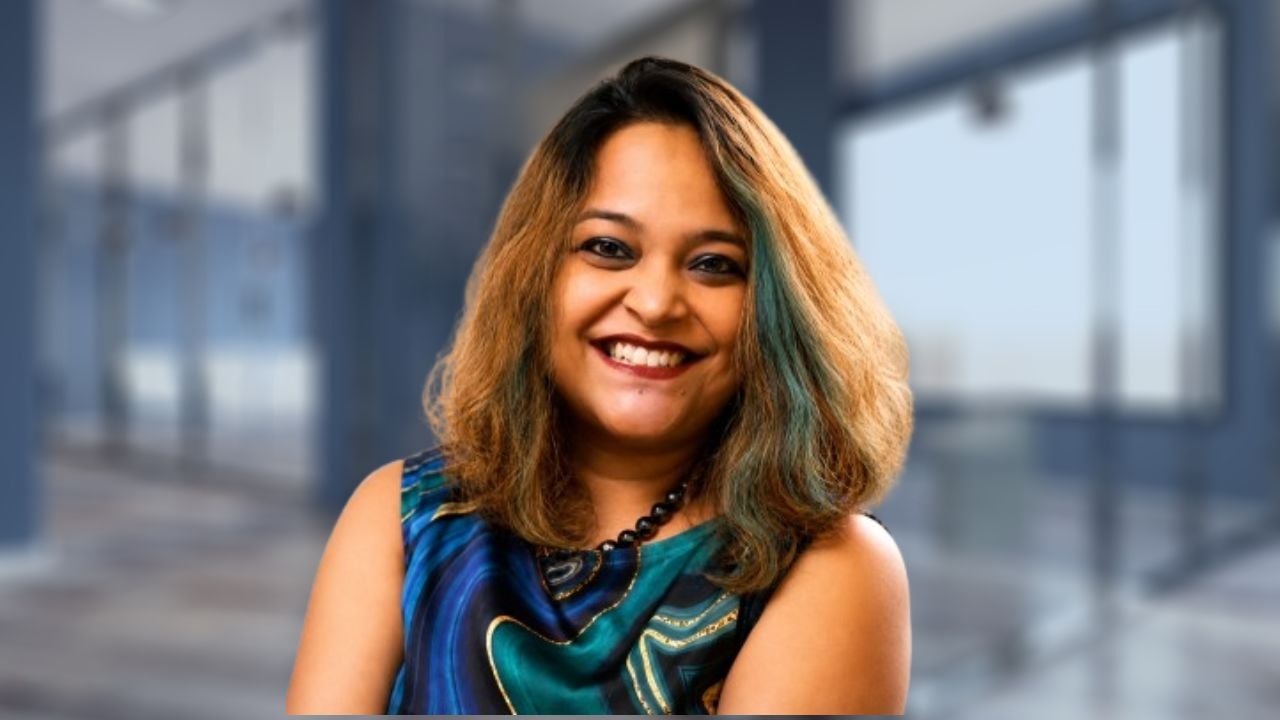
About the author: Sonal Jain, Global Chief HR and Transformation Officer at EPL Limited, is a global C-suite business and human capital leader with over 21 years of experience across Fortune 500 and private equity-backed organisations, including EPL, Unilever, Johnson & Johnson and Wipro Technologies.
In her current role, she leads global human capital, transformation and enterprise strategy, driving business growth and operating model transformation across five continents.