Businesses are still adapting to the arrival of Gen Z. Yet according to leaders at the latest edition of People Matters Big Questions, the workforce that follows could challenge even more of the assumptions on which organisations are built.
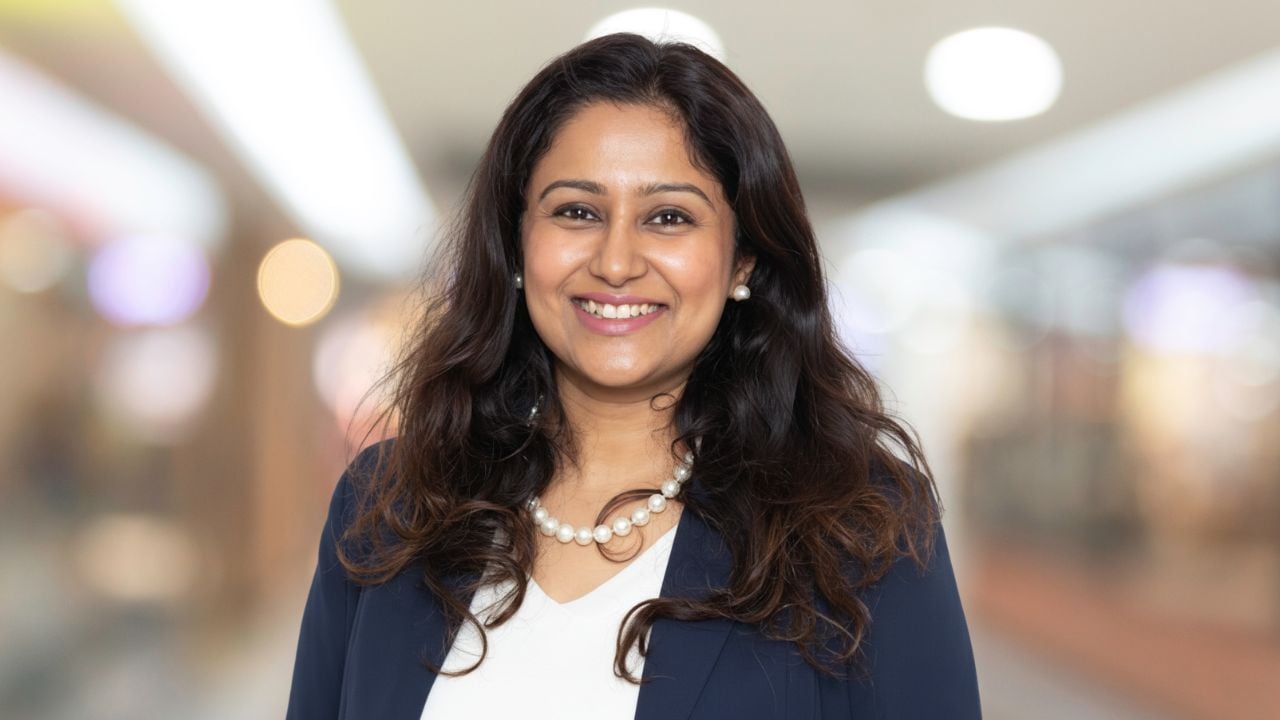
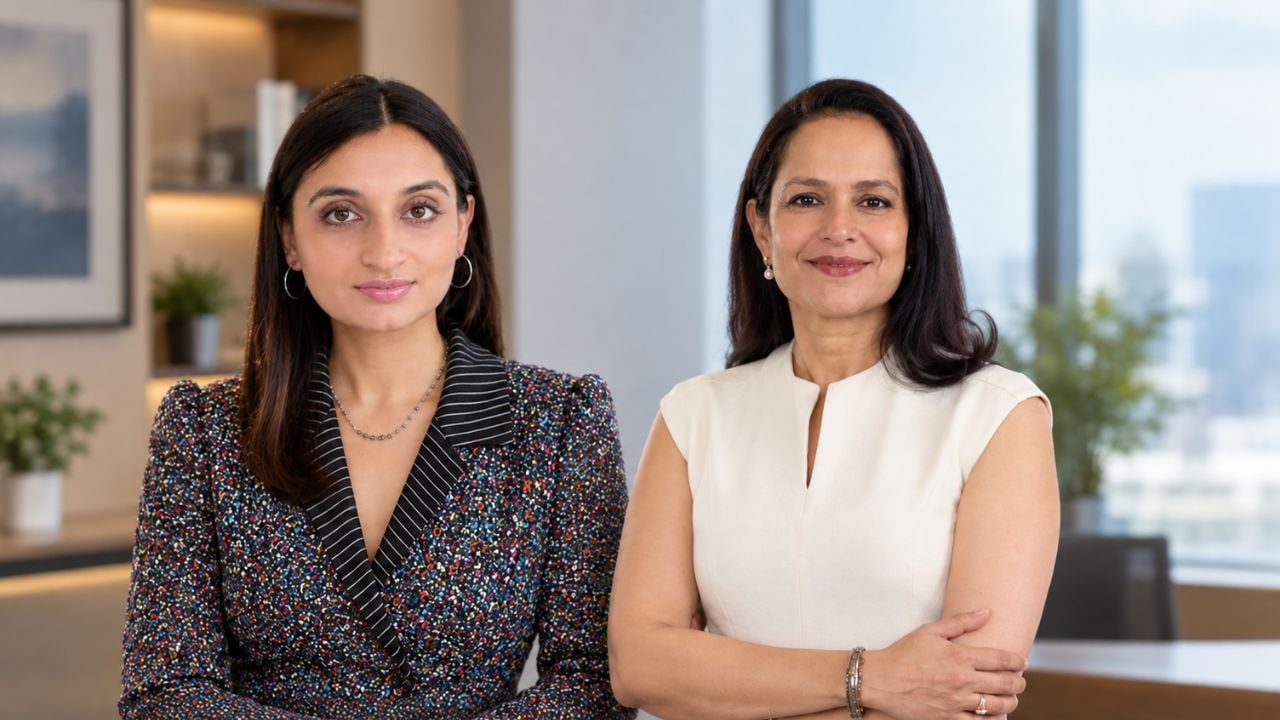
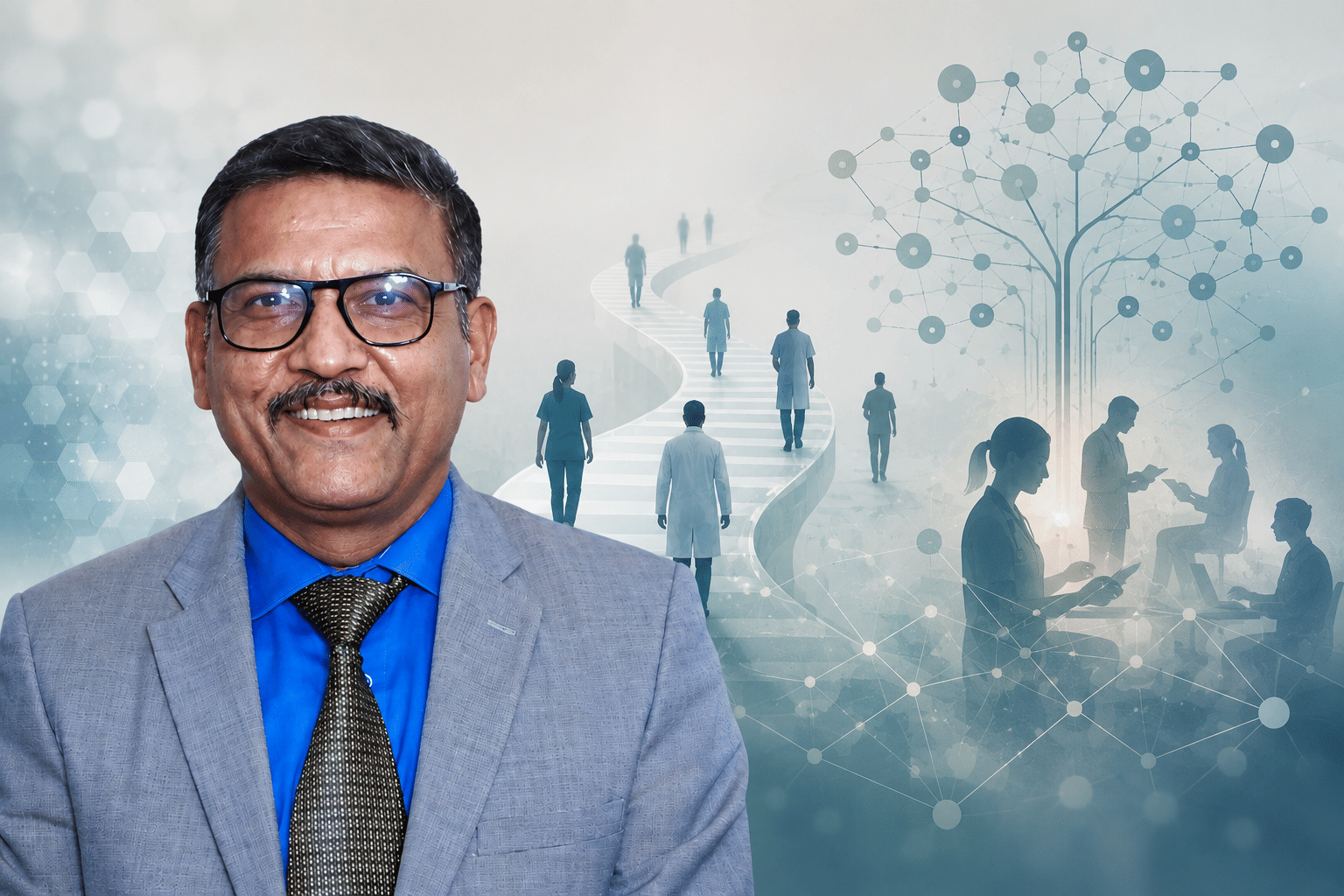
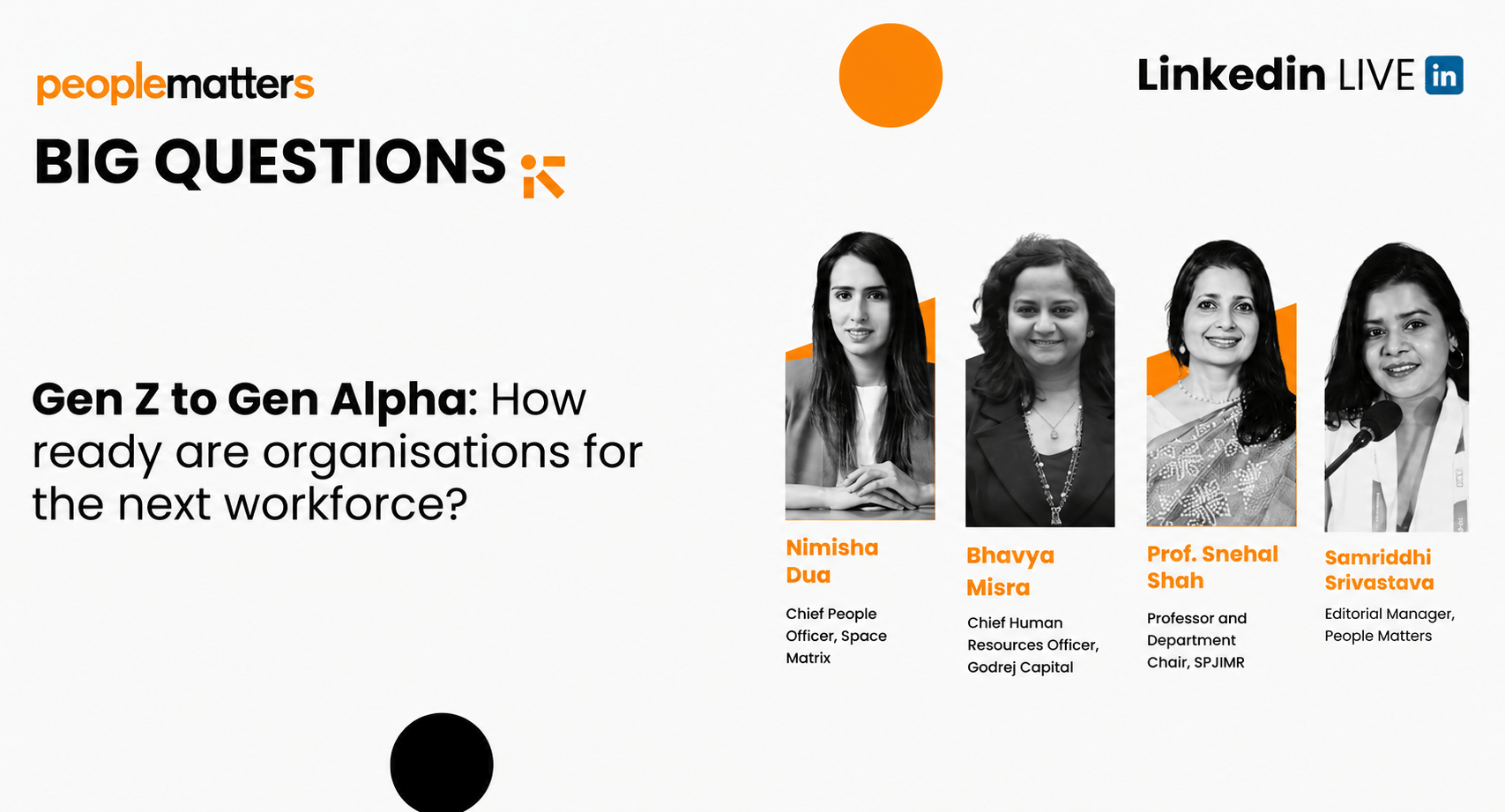
The discussion, titled Gen Z to Gen Alpha: How ready are organisations for the next workforce?, brought together Bhavya Misra, Chief Human Resources Officer at Godrej Capital, Prof. Snehal Shah, Professor and Department Chair, Organisation and Leadership Studies at SPJIMR, and Nimisha Dua, Chief People Officer at Space Matrix.
While Gen Alpha is still years away from entering the workforce in large numbers, panellists agreed that organisations should already be paying attention. The generation is growing up in a world shaped by AI, smartphones, algorithms and constant connectivity, creating conditions unlike those experienced by any previous workforce cohort.
Adaptability may matter more than generational labels
One of the strongest themes to emerge from the discussion was that organisational adaptability could matter more than designing policies for specific generations.
Bhavya Misra shared that organisations have successfully navigated multiple workforce transitions over decades and that the real challenge lies in remaining agile enough to understand changing employee expectations. She suggested that workplaces are merely reflecting broader shifts taking place in society and that leaders need to continually listen, adapt and create environments where people can bring their whole selves to work.
Rather than focusing exclusively on Gen Alpha, the panel suggested organisations should build cultures capable of absorbing continuous change.
According to Prof. Snehal Shah, Gen Z is already forcing organisations to rethink long-held assumptions about work, learning and leadership. In many ways, she suggested, today's younger employees are preparing organisations for the next generation.
Gen Alpha could question the very nature of work
If Gen Z challenged workplace hierarchies, Gen Alpha may go even further.
Nimisha Dua said Gen Z has already pushed organisations to reconsider traditional employer-employee relationships, flatter structures and employee wellbeing. She expects Gen Alpha to take these conversations into new territory.
Among the questions future employees may ask:
- If AI can perform a task, why should a human do it?
- Is a particular piece of work worth the energy required to perform it?
- Should authority come from job titles or from expertise and insight?
- Why should careers progress only vertically rather than across different experiences and functions?
Dua described this as a potential shift towards "energy economics", where employees increasingly evaluate whether work is meaningful enough to justify their time and effort. She also suggested future workers may question authority more fundamentally, especially in workplaces where AI systems become increasingly capable contributors.
Learning is becoming the new workplace currency
A recurring theme throughout the discussion was the growing importance of continuous learning.
Drawing on industry research and his experience working with students and professionals, Prof. Snehal Shah noted that younger generations increasingly see learning as a primary reason to join and remain with organisations. She stated that traditional models of education and workplace development are already being disrupted.
She highlighted three major shifts:
- Learning is becoming more bite-sized and personalised.
- The manager's role is changing significantly.
- Organisations must become comfortable balancing technological advancement with human-centred capabilities such as empathy and judgement.
According to Shah, lengthy traditional learning formats are becoming less effective for younger cohorts, forcing both educational institutions and employers to rethink how knowledge is delivered.
From career ladders to career lattices
The panel also discussed how career expectations are evolving. Shah described a progression from what she called the "three Ps":
- Promotion
- Possibilities
- Plausibilities
Previous generations often viewed career growth through promotions and upward movement. Gen Z, she said, is increasingly focused on possibilities, including cross-functional exposure, learning opportunities and broader experiences. Gen Alpha could move even further towards plausibilities, exploring multiple career paths, projects and ecosystems rather than remaining tied to a single organisation.
She suggested future careers may look less like ladders and more like lattices, with employees moving across functions, disciplines and experiences in pursuit of growth rather than titles.
Leadership will need a different operating model
The discussion also pointed to significant changes in leadership expectations.
According to the panel, traditional command-and-control models may become less effective as younger generations demand more participation, transparency and authenticity.
Key leadership capabilities highlighted during the discussion included:
- Empathy
- Vulnerability
- Curiosity
- Adaptability
- Continuous learning
- Human judgement alongside AI fluency
The panellists argued that future leaders may need to spend less time directing work and more time helping employees navigate increasingly complex career journeys.
As AI takes over routine tasks, uniquely human capabilities such as empathy, discernment and critical thinking are likely to become more valuable rather than less.
The challenge is preparing for a workforce that does not yet exist
A central tension throughout the discussion was uncertainty.
Many of the assumptions about Gen Alpha remain predictive because the generation has not yet entered the workforce at scale. However, panellists agreed that several signals are already visible through the behaviour and expectations of Gen Z.
Rather than attempting to forecast every future expectation, leaders suggested organisations should focus on building cultures that are flexible, learning-oriented and capable of evolving alongside changing workforce realities.
The consensus from the discussion was clear: the future workforce will not simply be a younger version of today's employees. It will arrive with different relationships to technology, learning, authority and careers. Organisations that continue to optimise for yesterday's assumptions may struggle to remain relevant. Those that learn to adapt continuously could be better positioned for the workforce that follows Gen Z.