We are at the verge of the fourth industrial revolution. The impact of change is far higher than we had expected. This revolution is not only transforming the industrial world, but it is having a much deeper impact on every facet of life. It is fusing the digital world with the real and making us question the traditional ideas and processes. Corporates are grappling with this technological transformation as well. It is not only affecting the way they are doing business, but also the way they are structured. To keep pace with the change, there is a need to redefine the core business operations as well as Human Resource Management.
As we progress into the intelligence era, the impact that HR can have on the growth of an organization is much higher than previously anticipated. In today’s world, the core of business progress is “intelligence” of its people; and the real capital of the businesses is its “intellectual capital”. The role of HR has evolved tremendously from being Personnel Management Department or HR Administration Department to becoming a Human Capital Strategy Department that plays a critical role in business success through disruption and innovation. Today, we need to redefine not only the name of the HR department in an organization but also relook at its functioning.
The current role of HR focuses primarily on employee relationships and care. But as we progress into the 21st century everything is getting disrupted; employee care is gradually moving to self-help and to the manager who is helping employees navigate in this VUCA world. The focus of HR now needs to be shifted to creating a Human Capital Strategy which can fuel and support the business strategy.
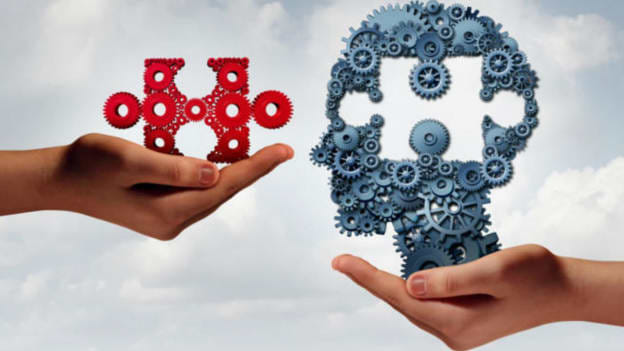
When the term and the associated meaning changes from “Human Resource” to “Human Capital”, it requires different role expectations and skill sets from the HR team. Although HR department is at the forefront of most organizational changes; it may find it very difficult to change within. Two important pretexts which are making this futuristic change difficult are the role perception of HR about themselves and the challenges in acquiring new skills by the HR professionals. A change in mindset from preacher to practitioner is needed.
Here are the key guiding principles which we have to keep in mind for building the HR models for success:
- Role perception of HR in this new realm:
Changing the role perception of HR is not only a task to be done within the HR department, but it must be made into an enterprise-wide initiative. The role of HR has to change from administration to unlocking human potential which not only requires a different skill-set but also a different mindset. To achieve this, we have to answer the following questions:
- Do we have a human capital balance sheet for the business to survive in future?
- Does HR know the business strategy well?
- Can we predict potential threats to human capital for business strategy?
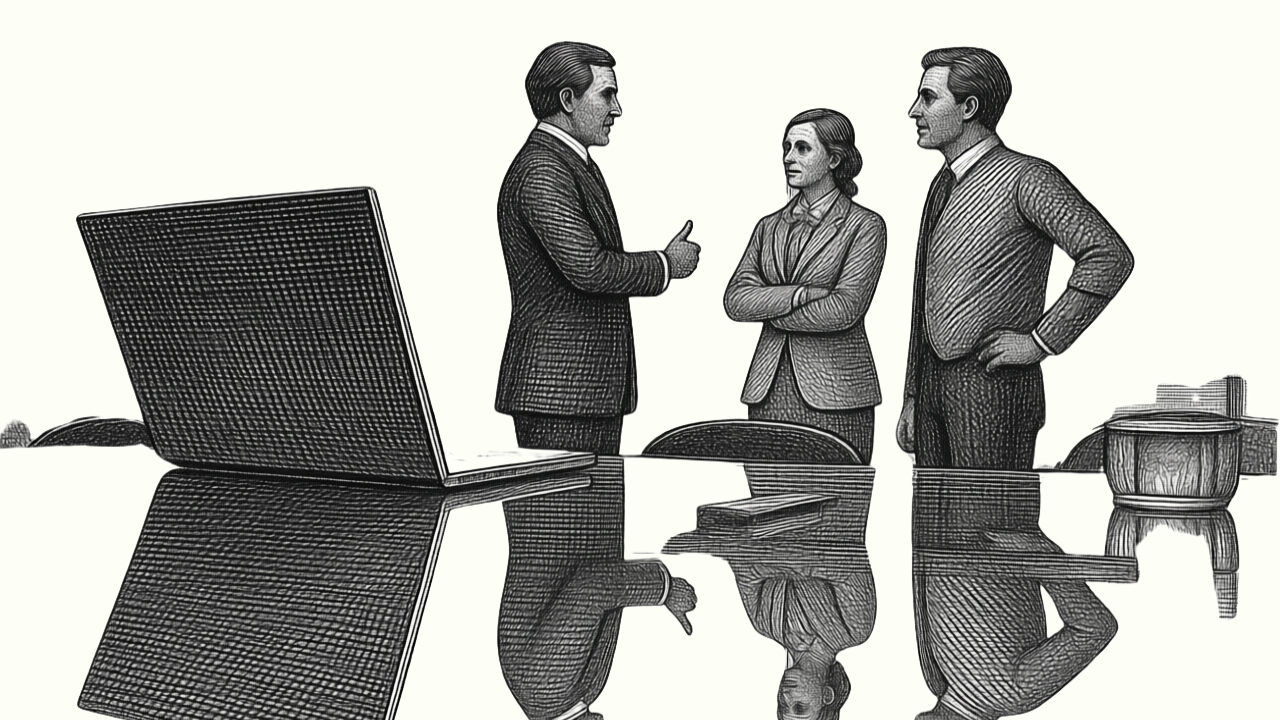
- Does HR command a seat on the table with the CEO for such discussions?
- Do we have a human capital balance sheet for the business to survive in future?
- Reskilling and retooling of HR:
What worked in the past will not more work in the future. The HR department is the leader in talking about reskilling and retooling for business and other functions, but is the HR team ready to reskill and retool itself? The business would evolve and become future ready only if the HR team will acquire new skills and new mindset as mandated by the fourth industrial revolution.
- Digitization, a new resource to drive HR:
The current role of HR is gradually being engulfed by automation and digitization. In the era of artificial intelligence, everything will move to self-help and systems will become self-sustaining. The administrative role performed by HR is getting reduced significantly. HR would have to focus on core integration and alignment of people and business. To make this connection more effective employee experience will play a very important role and digitalization will be the key to create seamless employee experience. - Digitization, a new resource to drive HR:
Driving a change within an organization is not only restricted by its structure, but also by its culture. While building HR leader role as a business partner, the first challenge is to ensure that the business is ready to accept this newly formed definition, and the HR leader got a seat at the table with the core business. The second cultural challenge would be to ensure that managers were made accountable for their employees. For a long time, they were used to outsourcing this job to HR. For any change to happen, the first important step is to lay down the blue print,
As you progress in this transformation, you need to continuously sensitize and build a sense of urgency. This journey will help you to decipher certain facts which are important to ponder even before considering the change.