








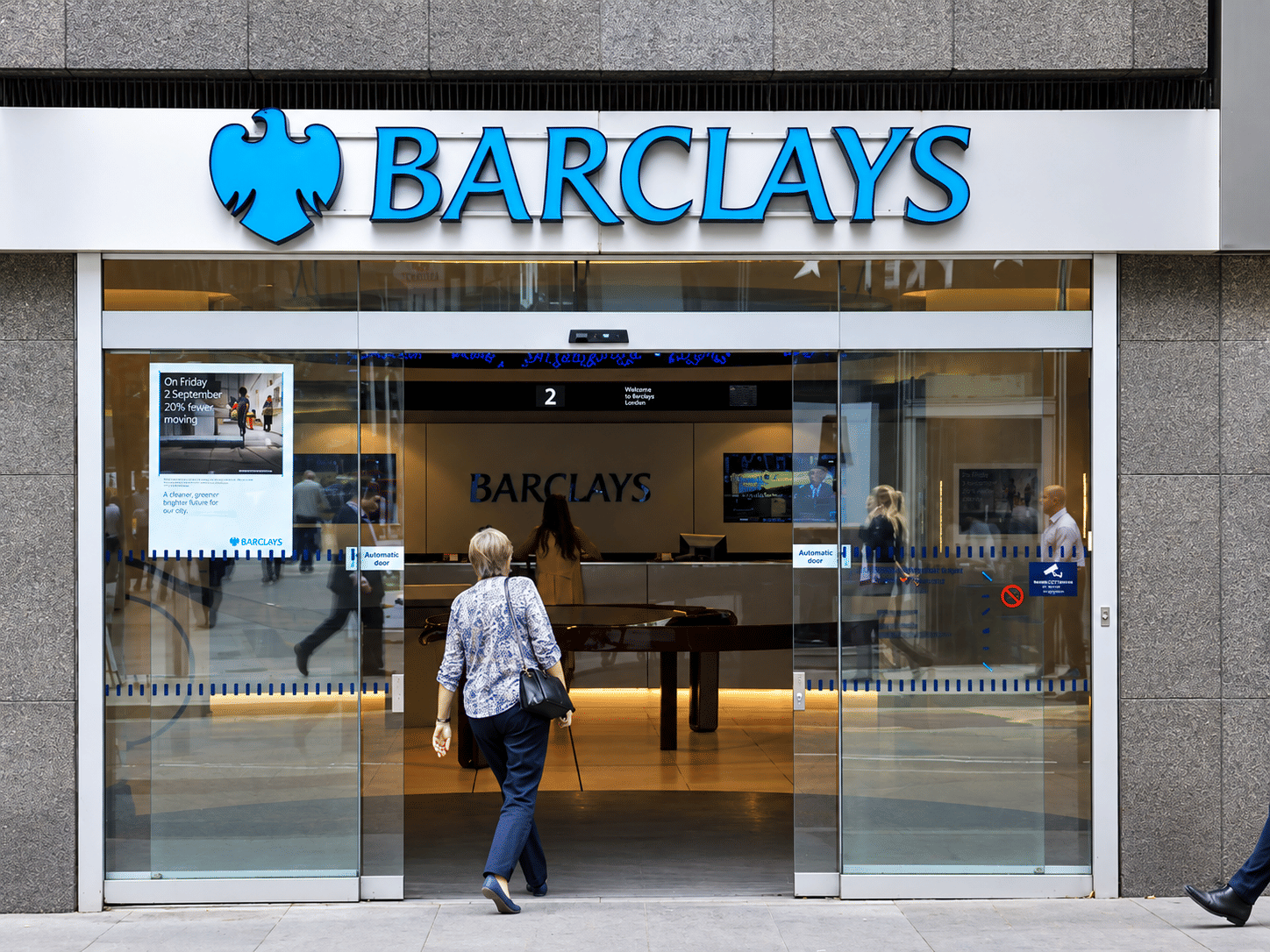
Barclays is facing growing opposition from employees over its plans to tighten return-to-office requirements, with thousands of staff supporting calls for additional compensation and greater flexibility as the lender prepares to increase in-office attendance from next month.
According to reporting by the Financial Times, the dispute centres on a new policy requiring affected employees to work from the office at least three days a week, up from the current requirement of two days a week for many full-time staff. Senior leaders will be expected to attend office locations at least four days a week.
The pushback has been led by Unite, the union representing nearly 80% of Barclays’ 45,000 UK employees, which has urged the bank to pause implementation of the policy while consultations continue.
Union-backed campaign gathers momentum
Unite has encouraged staff to sign an open letter opposing the changes, with the union saying support has continued to grow.
Rick Coyle, a national officer at Unite, told the Financial Times that thousands of employees had already signed the letter and more signatures were being added. He said the union would engage with Barclays in the coming days over employee concerns.
The disagreement reflects a broader trend across the financial sector, where major employers continue to reassess hybrid working arrangements introduced during the Covid-19 pandemic.
Employees seek compensation and exemptions
Among the union’s key demands is a one-off "time-in-office payment" for all employees before March next year to help offset additional commuting and workplace-related expenses.
Unite is also seeking exemptions for employees facing longer journeys to work. Key requests include:
- A one-off payment for all affected employees.
- Exemptions for workers whose commute exceeds 40 minutes each way.
- Exemptions for employees travelling more than 35 miles each way.
- Greater flexibility for staff with caring responsibilities.
- Additional accommodation for employees seeking off-peak travel options.
The union said the proposed changes could create substantial challenges for many employees and questioned the rationale behind the policy.
Survey highlights staff concerns
According to Unite, 94% of respondents in its latest employee survey said they wanted the return-to-office changes delayed until discussions with the union had concluded.
The findings underscore growing concerns among staff about increased commuting costs, travel time and the impact on work-life balance.
One industry observer could view the dispute as another test of how employers balance operational priorities with employee expectations in a hybrid working era.
Barclays defends workplace strategy
Barclays said it continues to engage with Unite regarding the planned changes but has not agreed to the union’s demands.
In a statement cited by the Financial Times, the bank said it recognises the benefits of balancing workplace flexibility with in-person collaboration. Barclays added that minimum office attendance requirements vary across business areas based on operational needs and the nature of individual roles.
The lender also said most employees affected by the policy would align with its broader three-day office attendance approach, while senior leaders would spend an additional day on-site to support collaboration, decision-making and leadership visibility.