An outlet ready but unable to serve customers can look like lost revenue. Blue Tokai Coffee Roasters has nevertheless held back launches when its people were not ready.
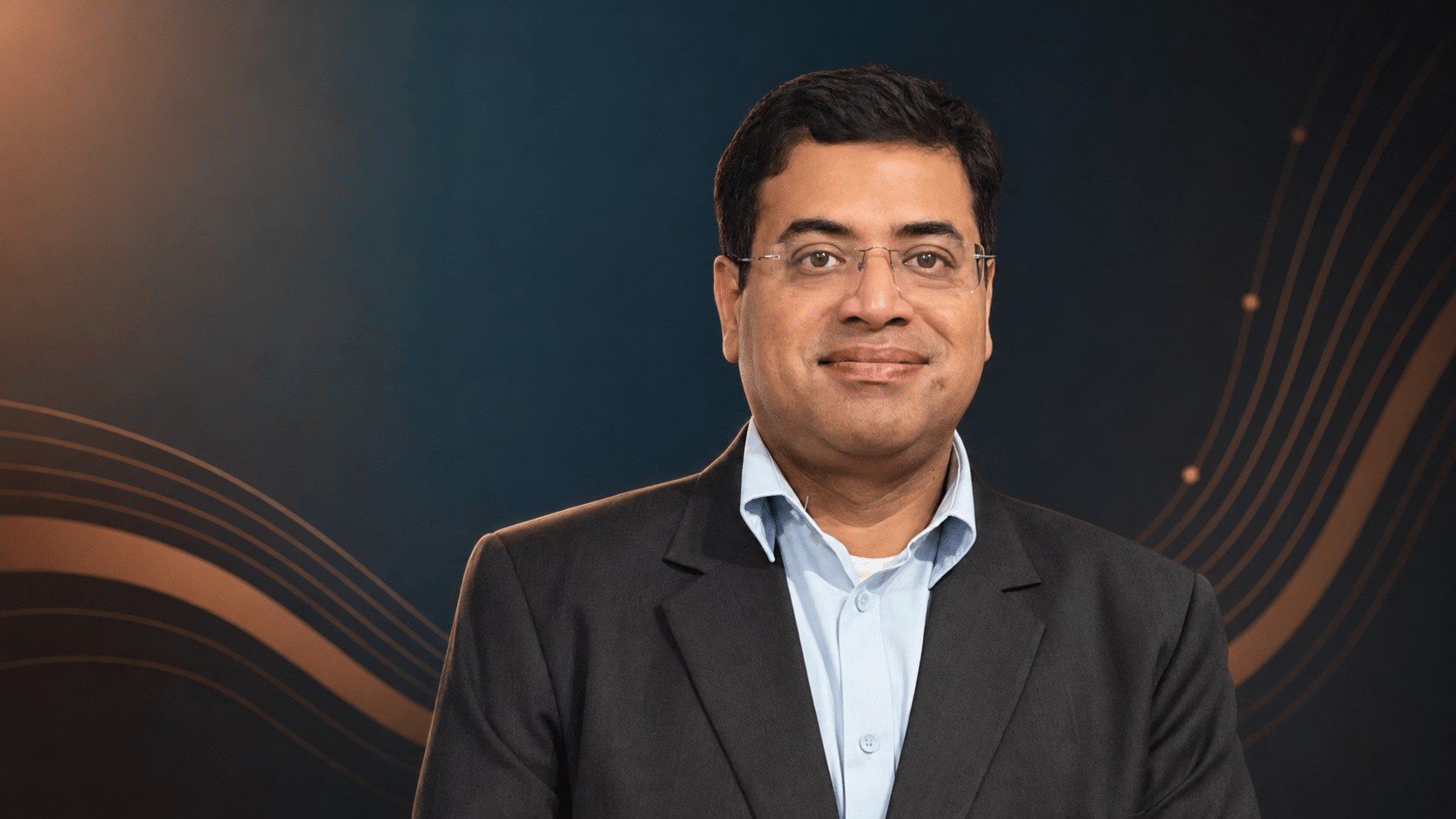
“There are cafés we have not opened because we felt the team was not yet trained enough to meet the customer,” Sujit Bose, CHRO, Blue Tokai Coffee Roasters, told People Matters. “We have taken our hits, but we have always tried to put our best foot forward to the end customer.”
Stores can be added faster than capability and policies replicated faster than culture. Yet the brand is experienced through the judgement, craft and conduct of the person across the counter. Blue Tokai’s direction is clear: let capability set the pace, convert values into operating choices and standardise discipline without scripting human interaction.
Growth now rests on a more explicit exchange of value
Bose sees the employment relationship moving from loyalty, to engagement, and now towards a clearer exchange of value. Employees ask, “Am I getting my worth?” even as employers ask the same. The useful test is whether the relationship works for both.
Blue Tokai’s workforce has an average age of around 22 to 23. Many want to understand a role’s purpose—what they will learn, where it could take them and whether it improves their prospects.
“For them, time is as important a currency as money,” Bose said. “If you do not define the purpose, you have lost them.”
Employees can leave with seven days’ notice during their first three months and 15 days’ notice after confirmation. Extending the period, Bose argues, does not create commitment when the role and individual are mismatched.
For HR leaders, the implication is to stop treating tenure as the only proof of a successful employee proposition. Skills gained, mobility achieved and productive time spent may reveal more about whether the exchange is working.
Start-up energy needs boundaries, not bureaucracy
Bose is wary of organisations declaring that they have “built” culture too quickly. Blue Tokai is around 13 years old; culture, he argues, takes repeated behaviour to form.
Rather than borrowing a retail template, Blue Tokai offers a five-day week across roles and medical insurance coverage standardised from the CEO to housekeeping employees, over and above mandatory coverage where applicable.
Its value of human decency appears in daily choices. Café teams began offering delivery riders water and respite from the summer heat. At another outlet, employees offered water and first aid to students during nearby protests. Neither response, Bose said, came from a manual.
At the same time, empowerment is not an excuse for ambiguity. Timeliness, customer readiness and respectful conduct remain non-negotiable, with zero tolerance for abusive behaviour.
The direction is to define the few boundaries that protect people and service, then leave room for employees to respond to the situation.
The frontline is where capability becomes brand value
Blue Tokai’s model depends on craft. A barista must understand coffee origins, processing and flavour profiles while managing extraction, calibration and presentation.
New hires undergo close to 90 days of on-the-job training before becoming baristas. Blue Tokai also employs part-time talent, including students, without lowering its readiness threshold for customer-facing work.
Career movement makes that investment visible. Employees have progressed from delivery roles to city leadership and from barista to coffee roaster. Some have opened cafés in smaller cities—an outcome the company encourages rather than views simply as attrition.
Recognition extends beyond certificates and rewards. Experienced baristas and roasters were chosen from within to support Blue Tokai’s Dubai and Tokyo launches. Leader acknowledgement and access to defining projects provide another form of validation.
The metric, therefore, should not stop at training completion. Leaders should examine time to proficiency, readiness to open, internal movement, customer recovery and how often frontline talent is trusted with consequential opportunities.
The first warning sign is when judgement begins to disappear
Culture stretches when speed overrides readiness, managers rely on hierarchy or employees wait for instructions before acting on stated values.
Blue Tokai gives baristas discretion to replace a coffee when a customer says they did not enjoy it, even after consuming most of the cup. The immediate calculation is not the cost of remaking the drink, but the customer relationship that could be retained.
“How I treat you is how you will treat others,” Bose said, linking employee experience directly with customer experience.
Managers preserve that connection across locations. Bose cautions against treating Gen Z as one workforce type: education, role and ambition create differences within an age group. Managers must understand the individual and explain expectations without compromising service discipline.
The task is not to make culture look identical in every café. It is to make the underlying judgement recognisable wherever the customer meets the brand.
Technology should return time to people—not make the final call
Blue Tokai uses technology to remove repetitive work and improve workforce visibility. A chatbot checks in with employees and flags concerns for HR. Geotagged attendance feeds into payroll, while an AI-led initial interview helps recruiters manage volumes and assess more than a polished CV.
Customer-facing technology gives baristas visibility into a returning guest’s previous order and helps teams identify negative sentiment outside direct feedback channels.
Yet Bose draws a firm line between intelligence and accountability. AI can screen, detect patterns and save time; the final hiring decision remains human.
His concern is gradual dependence. Data may point strongly in one direction while missing experience, context or an instinct worth examining.
“I would like to protect human judgement in every decision-making process,” he said. “We may not realise when it starts slipping away.”
The larger direction is to stop romanticising culture as an inherited spirit that survives expansion on its own. Identify the behaviours that create value, build capability before growth exposes gaps and protect the discretion that keeps a high-touch brand human.
Take the conversation from the café floor to TechHR India 2026
Sujit Bose will join business and people leaders at People Matters TechHR India 2026, taking place on 6–7 August at Yashobhoomi, New Delhi. As the conference explores Orchestrating Growth With A Human Edge, his experience raises a question relevant far beyond retail and F&B: how can organisations scale standards without standardising the humanity out of work?
Come hear the answers being tested by leaders building through growth, technology and changing workforce expectations. Join the room where people strategy moves from principle to operating decision.