








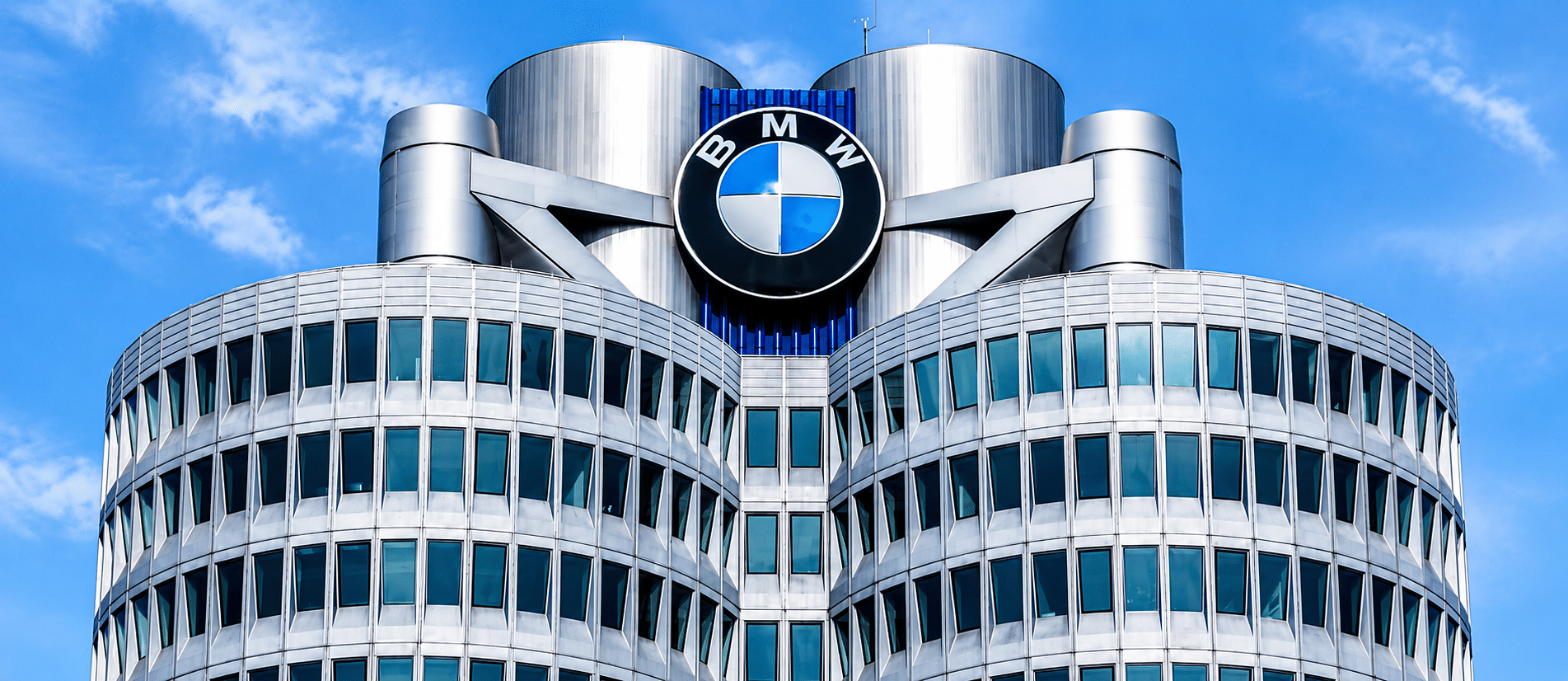
BMW AG plans to eliminate around 20% of its senior management positions by mid-2027, marking one of the most significant leadership restructurings in the company's recent history. The move comes as the German automaker intensifies the use of artificial intelligence across its operations to simplify decision-making, reduce costs and improve efficiency.
According to Bloomberg, BMW said it would streamline divisions and management structures under an agreed buyout programme. The restructuring forms part of a broader effort to create a more agile organisation while navigating a challenging operating environment marked by weaker demand in key markets and pressure on profitability.
Leadership layers set for consolidation
The planned reduction will primarily affect senior leadership roles across the organisation.
BMW currently has approximately 65 senior vice presidents reporting directly to the board, followed by roughly 400 senior management positions. Based on those figures, the restructuring could impact around 100 high-level roles.
In a company presentation cited by Bloomberg, BMW said it would use AI-enabled processes to support a 20% reduction in senior vice-president positions alongside a consolidation of management structures.
Milan Nedeljkovic, BMW's chief executive officer, said during a media briefing that most of the affected positions are located in Munich, where the company is headquartered.
Restructuring follows broader workforce plans
The latest leadership overhaul follows a wider workforce initiative announced earlier this year.
In July, BMW agreed to reduce white-collar jobs in Germany through a voluntary departure programme. According to people familiar with the matter cited by Bloomberg, the initiative could result in the elimination of approximately 8,000 positions, representing around 5% of BMW's global workforce.
Key details of the latest restructuring include:
- 20% reduction in senior vice-president roles
- Streamlining of divisions and management structures
- Greater use of AI across business operations
- Majority of affected leadership positions located in Germany
- Continued implementation through an agreed buyout programme
Profitability pressures drive organisational changes
The restructuring comes at a time when BMW is facing multiple business challenges.
The automaker has been dealing with weaker demand in China, one of its most important markets, while also managing broader geopolitical and economic uncertainties. According to Bloomberg, BMW warned in June that its automotive profit margin could fall to as low as 1% this year.
The company is targeting a return to its long-term automotive margin range of 8% to 10% by the beginning of the next decade. BMW expects an interim margin of 3% to 5% in 2028.
Walter Mertl, BMW's chief financial officer, said the consistent use of AI agents across the company would help create leaner structures, accelerate decision-making and improve operational efficiency.
AI takes a larger role in corporate operations
BMW's restructuring reflects a broader trend among global enterprises using AI to redesign organisational structures and reduce administrative complexity.
According to Bloomberg, the company sees AI as a tool for simplifying leadership layers and improving operational agility. The initiative extends beyond manufacturing and product development into management and corporate functions.
The move also follows similar actions by other large organisations. Bloomberg reported that United Parcel Service has cut 12,000 management roles, while Deutsche Lufthansa has outlined plans to eliminate 4,000 administrative positions.
Product strategy also under review
Alongside organisational changes, BMW is reshaping its product portfolio under Nedeljkovic's leadership.
According to Bloomberg, the company plans to tailor more vehicles to local market preferences, particularly in China, where domestic manufacturers such as BYD have strengthened their competitive position.
BMW is also preparing new products across different segments, including an entry-level electric vehicle for Europe and a high-end SUV for the US market. At the same time, the automaker plans to simplify its existing portfolio by discontinuing selected models, including the 2-Series Active Tourer and the diesel variant of the 3-Series sedan.