







Business
Microsoft to end Windows 10 on Oct 14: Know risks for users and the environment






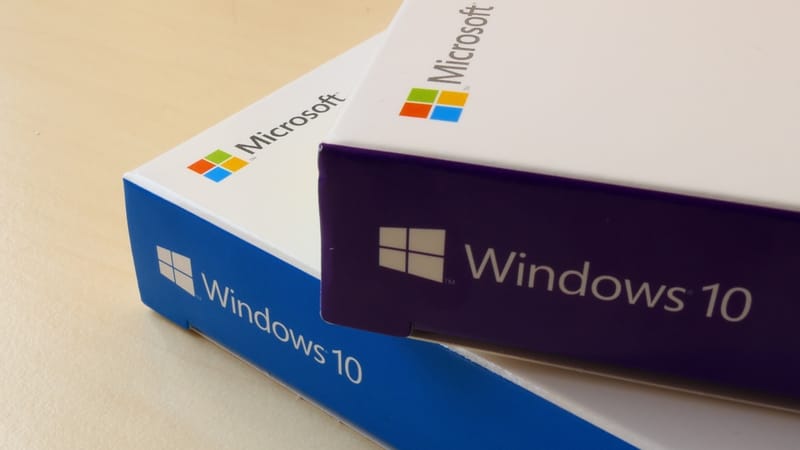
Microsoft’s decision to retire Windows 10 leaves millions of devices exposed, raising questions about security, compliance, and the growing e-waste crisis.
Microsoft will end official support for its Windows 10 operating system on Tuesday, 14 October 2025, marking the most significant software retirement in years. After that date, the company will no longer provide security updates or patches for the system, effectively leaving millions of personal and business computers at greater risk of cyberattack.
The move affects a substantial share of the world’s computer users. Windows remains the globe’s most widely used operating system, with Microsoft stating earlier this year that it runs on over 1.4 billion devices worldwide. According to data from Statcounter, around 43% of those machines still relied on Windows 10 as of July 2025.
In the UK alone, consumer organisation Which? estimates that as many as 21 million people remain on Windows 10. A survey it conducted in September found that about one-quarter of them intended to keep using the operating system even after support ends, while only one in seven planned to buy a new computer.
The choice: upgrade or pay
Microsoft is urging users to migrate to Windows 11, which remains available as a free upgrade for compatible machines. But the catch is significant: many older PCs do not meet the system requirements, leaving their owners with a difficult choice.
Users unable or unwilling to upgrade can register for Extended Security Updates (ESU), a programme that provides critical patches for a limited period. For consumers, ESU will last until October 2026, though it does not include new features or technical support.
The scheme is free for residents of the European Economic Area who register, but others must either pay $30 (around £22) per year or redeem 1,000 Microsoft Rewards points. Businesses face steeper costs of around $61 per device annually, according to Microsoft documentation.
Rising concerns
Critics say the end of Windows 10 support will not only expose users to increased security risks but also drive unnecessary spending and environmental waste.
“The end of support for Windows 10 is shaping up to be a disaster for both consumers and the environment,” Nathan Proctor, senior director at US consumer advocacy group PIRG, told reporters. “People are tired of living in a world filled with short-lived devices we can’t fix, or lose software support or are otherwise forced into the waste stream. We deserve tech that lasts.”
Proctor and other campaigners argue that Microsoft’s move will accelerate e-waste by forcing consumers to replace perfectly functional hardware. Many machines that cannot upgrade to Windows 11 remain fully operational but fall short of the technical specifications demanded by the newer system.
For those who do not upgrade, the risks are clear. Once support ends, Microsoft will no longer send critical patches to fix vulnerabilities. This leaves devices open to malware, ransomware, and other cyber threats that exploit outdated systems.
Cyberattacks have become increasingly common across industries, hitting retailers, manufacturers, and even childcare providers in recent months. Security experts warn that unsupported systems present an easy target.
Microsoft itself has underscored the regulatory risks. “Companies may find it challenging to maintain compliance with unsupported software,” Yusuf Mehdi, the company’s Consumer Chief Marketing Officer, wrote in a recent blog post. Businesses operating in heavily regulated industries could face penalties if they continue to run insecure software.
The compatibility barrier
The shift to Windows 11 is not straightforward. Since its launch in 2021, Microsoft has set relatively high system requirements, including TPM 2.0 security hardware and newer generation processors. While the company frames these as essential for a more secure computing environment, the restrictions effectively sideline a vast number of older, still-functioning PCs.
Some users are also frustrated by Microsoft’s push to integrate its account ecosystem more deeply into Windows 11. Logging in with a Microsoft account is increasingly required for full functionality, raising concerns among users who prefer local accounts for privacy reasons. Ironically, even extending the life of a Windows 10 PC through ESU requires a Microsoft account.
The implications stretch beyond individual households. Organisations large and small face difficult decisions as they plan their technology refresh cycles. For firms running thousands of Windows 10 machines, the cost of ESU can quickly escalate.
Analysts say some companies will choose to absorb the licensing fees for an extra year or two, while others may fast-track hardware replacements or migration to Windows 11. Either way, the transition represents a significant administrative and financial burden.
The Wall Street Journal has reported that CIOs across industries are reviewing compliance policies to avoid exposure, with many concerned about losing vendor support for applications once Windows 10 becomes obsolete.
The environmental dimension
The retirement of Windows 10 has also reignited debate over the sustainability of the technology sector. Campaigners argue that forcing upgrades every few years locks consumers into a cycle of e-waste.
Proctor from PIRG drew a parallel with the “right to repair” movement. “When software support is cut off, even machines that could otherwise last a decade end up as waste,” he said. “That’s not only bad for consumers’ wallets but also for the planet.”
Electronics recycling remains patchy worldwide, and much discarded hardware ultimately ends up in landfills or is shipped to developing countries, where disposal practices often cause environmental harm.
What’s next?
For now, Microsoft is standing firm. The company points to the benefits of Windows 11, which it says is optimised for new workloads such as artificial intelligence and cloud integration. Executives argue that modernising the installed base is necessary for both innovation and security.
At the same time, Microsoft has highlighted its AI-driven development tools and expects its new operating system to become the platform of choice for future applications. The company is betting that customer adoption will accelerate as businesses look to deploy AI and other advanced technologies.
Still, the reality is that tens of millions of devices worldwide will soon face a tough decision: pay to keep Windows 10 minimally secure, upgrade hardware to run Windows 11, or continue using unsupported machines at their own risk.
The end of support for Windows 10 is more than a routine software retirement. It is a moment that brings together questions of cybersecurity, corporate compliance, consumer rights, and environmental responsibility.
For consumers, the decision means choosing between paying for short-term security or investing in costly new hardware. For businesses, it presents compliance risks and budget challenges. And for the planet, it threatens to add millions of still-functional PCs to the growing mountain of e-waste.
As Microsoft winds down Windows 10, the consequences will ripple far beyond the technology sector. Whether through stricter regulation, consumer activism, or corporate responsibility, the debate over how long technology should last is unlikely to fade.
Topics
Author

Loading...