







Diversity Equity Inclusion
A widow, a bridge builder and a girl among 800 boys: The women who changed engineering in India






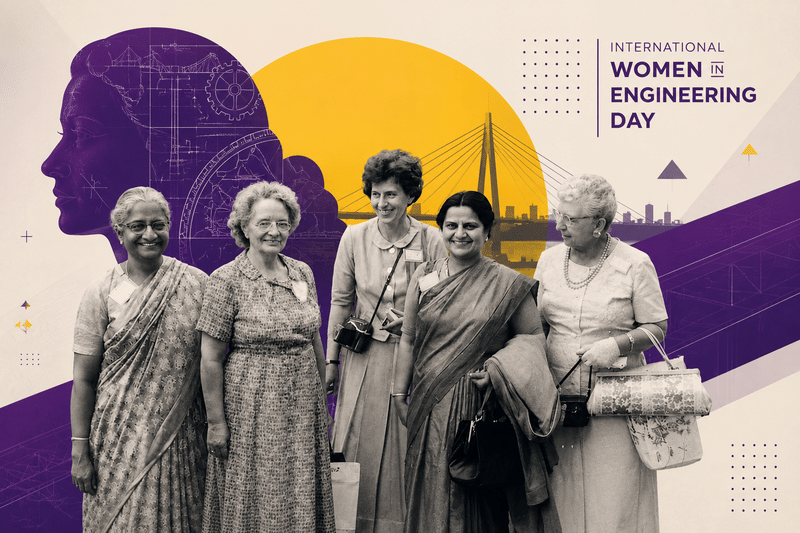
On International Women in Engineering Day, the stories of India's earliest female engineers offer a reminder that long before STEM diversity became a corporate priority, a handful of women were already rewriting the rules.
Imagine walking into an engineering classroom and finding yourself surrounded by hundreds of men.
Not a few dozen.
Hundreds.
Now imagine being told there's no women's hostel because, well, nobody expected a woman to study engineering in the first place.
Or imagine your university hiring a female typist simply so you have another woman to talk to on campus.
It sounds bizarre in 2026. For India's first women engineers, it was reality.
As the world marks International Women in Engineering Day (INWED) on 23 June, much of the conversation revolves around getting more women into STEM careers. But decades before diversity programmes, mentorship circles and inclusion targets became common workplace vocabulary, a handful of Indian women had already decided they were going to become engineers.
The world simply hadn't caught up yet.
Take Ayyalasomayajula Lalitha.
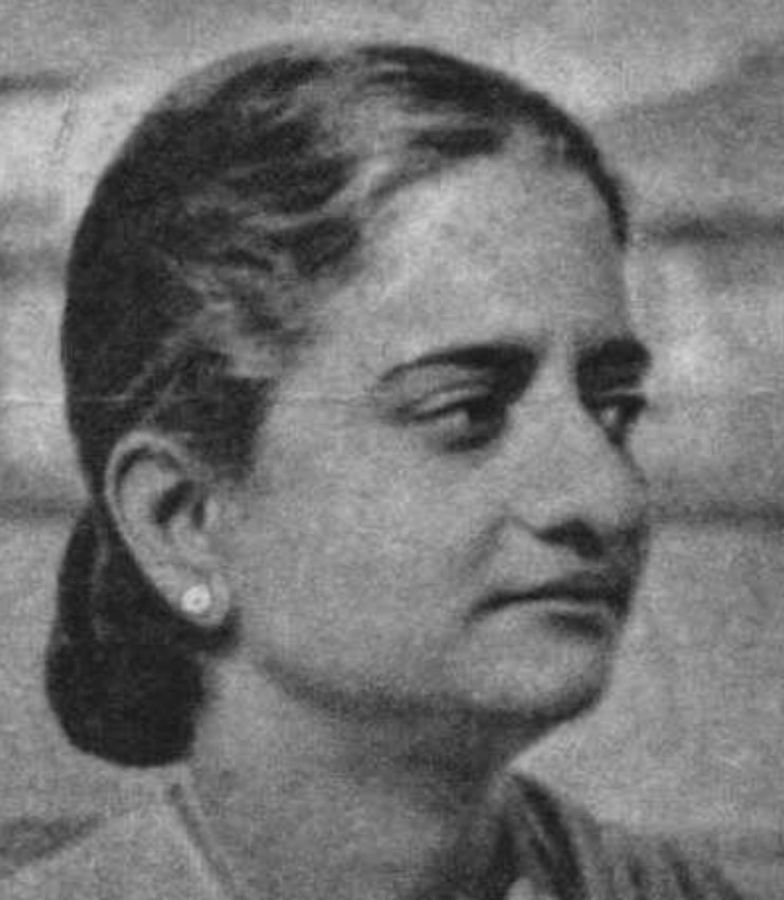
At 18, she lost her husband and was left to raise a four-month-old daughter. For many women in India at the time, widowhood often meant social isolation and a life defined by restrictions imposed by others.
Lalitha had different plans.
Years later, speaking at the first International Conference of Women Engineers and Scientists in New York in 1964, she reflected on just how far women had come.
"About 150 years ago, I would have been burned at the funeral pyre with my husband's body," she said, referring to the historical practice of sati.
Instead, she became India's first female engineer.
That decision was radical enough.
But what happened next feels almost unbelievable.
When Lalitha enrolled at the College of Engineering, Guindy in 1940, she was the only woman among hundreds of male students. Concerned that his daughter would be completely alone, her father, who taught at the college, reportedly placed an advertisement inviting other young women to join the programme.
The ad worked.
Two women answered.
Their names were PK Thresia and Leelamma George Koshie.
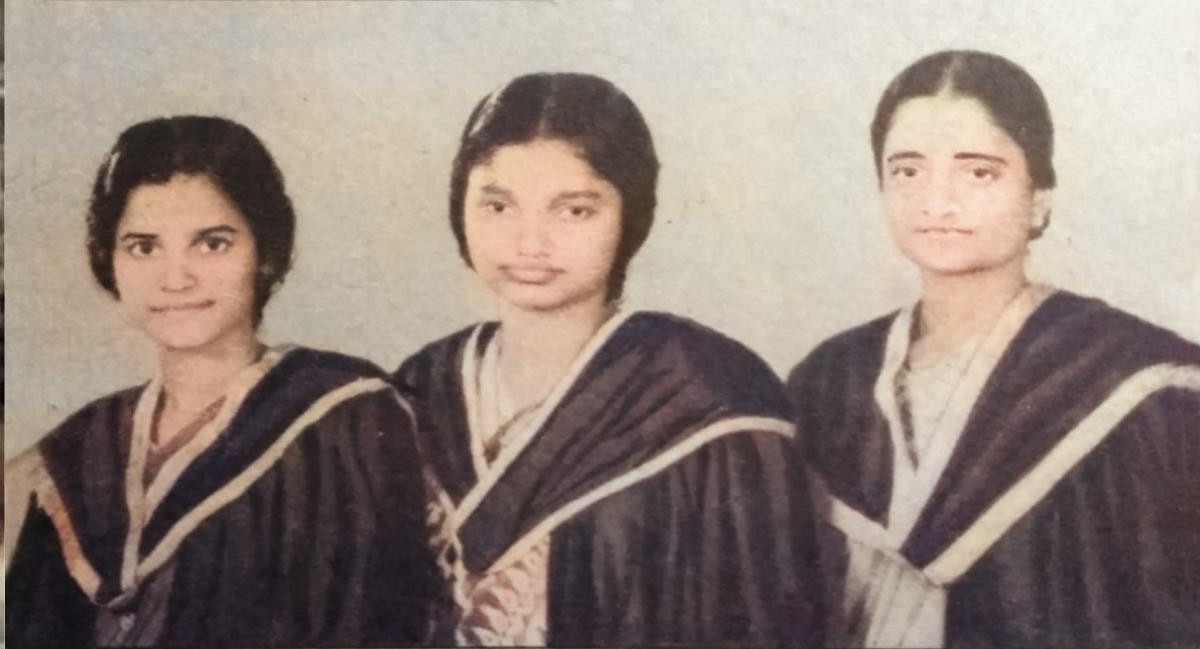
And just like that, one of India's earliest sisterhoods in engineering was born.
The trio would go on to leave a lasting mark on the profession.
Thresia later became the first woman chief engineer in Kerala's Public Works Department. During her tenure, she commissioned 35 bridges every year, along with major road projects across the state.
Koshie became such a respected figure in public works that the Maharani of Travancore reportedly encouraged other women to follow her example. The Maharani later sponsored her higher studies in town planning in England.
Then there was Ila Majumdar.
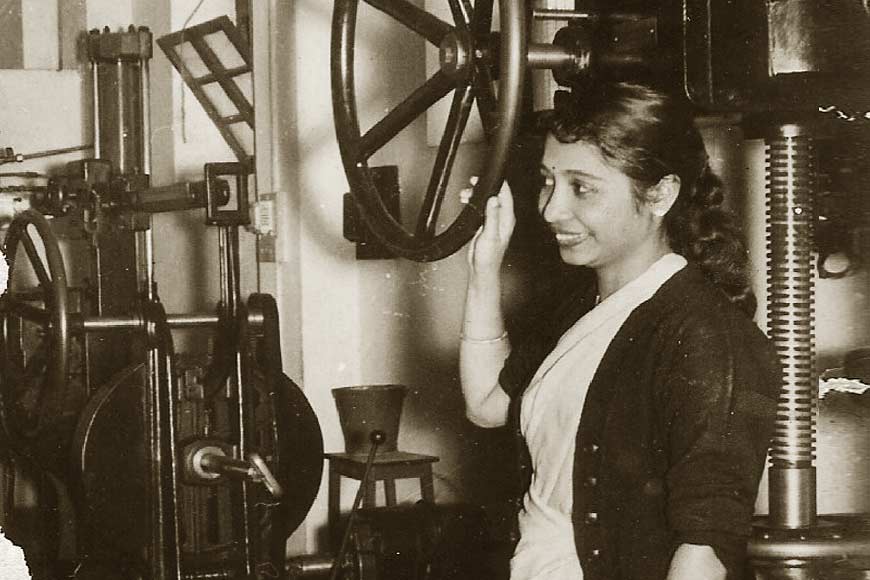
If Lalitha's story sounds lonely, Majumdar's was lonelier.
When Bengal Engineering College opened its doors to women in 1947, she enrolled to study mechanical engineering despite also qualifying for medicine.
Engineering was what she wanted.
The college had roughly 800 male students.
And one female student.
Majumdar.
In a later interview with Telegraph India, she recalled a time when most women who pursued higher education gravitated towards medicine. Engineering remained largely off limits.
She graduated in 1951 as India's first woman mechanical engineer.
Not content with breaking one barrier, she later authored books on applied mechanics and hydraulics.
Elsewhere, another young woman was having a similarly unusual college experience.
A Parvathi Mattancheril was reportedly the only girl on campus during her engineering studies in 1956.
/english-betterindia/media/post_attachments/uploads/2019/01/1948.jpg)
The solution?
The university hired a female typist so she would have company.
Today that sounds like a scene from a period drama.
Back then, it reflected how rare female engineering students were.
Mattancheril would go on to spend 34 years in technical education and serve as principal of three women's polytechnic colleges, helping create opportunities that barely existed when she entered the profession herself.
While some women were changing engineering education, others were helping build modern India quite literally.
Shakuntala A Bhagat, India's first woman civil engineering graduate, transformed her fascination with mechanics into infrastructure.
/english-betterindia/media/post_attachments/uploads/2023/10/design-for-social-impact-1-1698068896.jpg)
Together with her husband, Anirudha S Bhagat, she founded Quadricon in 1970, a bridge construction company specialising in prefabricated modular designs.
Within eight years, the company had built 69 bridges stretching from Kashmir to Arunachal Pradesh.
Today, more than 200 Quadricon steel bridges stand across the country.
Then there was Rajeshwari Chatterjee, who helped establish India's credentials in microwave and antenna engineering.

After studying mathematics and physics in Bengaluru, she joined the Indian Institute of Science in 1953 and worked on subjects ranging from electron tube circuits to microwave technology. She later headed the Department of Communication Engineering.
Her grandmother, Kamalamma Dasappa, had been among the earliest women graduates in the Mysore State. In many ways, one generation's fight for education became the next generation's contribution to science.
The same pattern appears in the story of Mary Mathew.
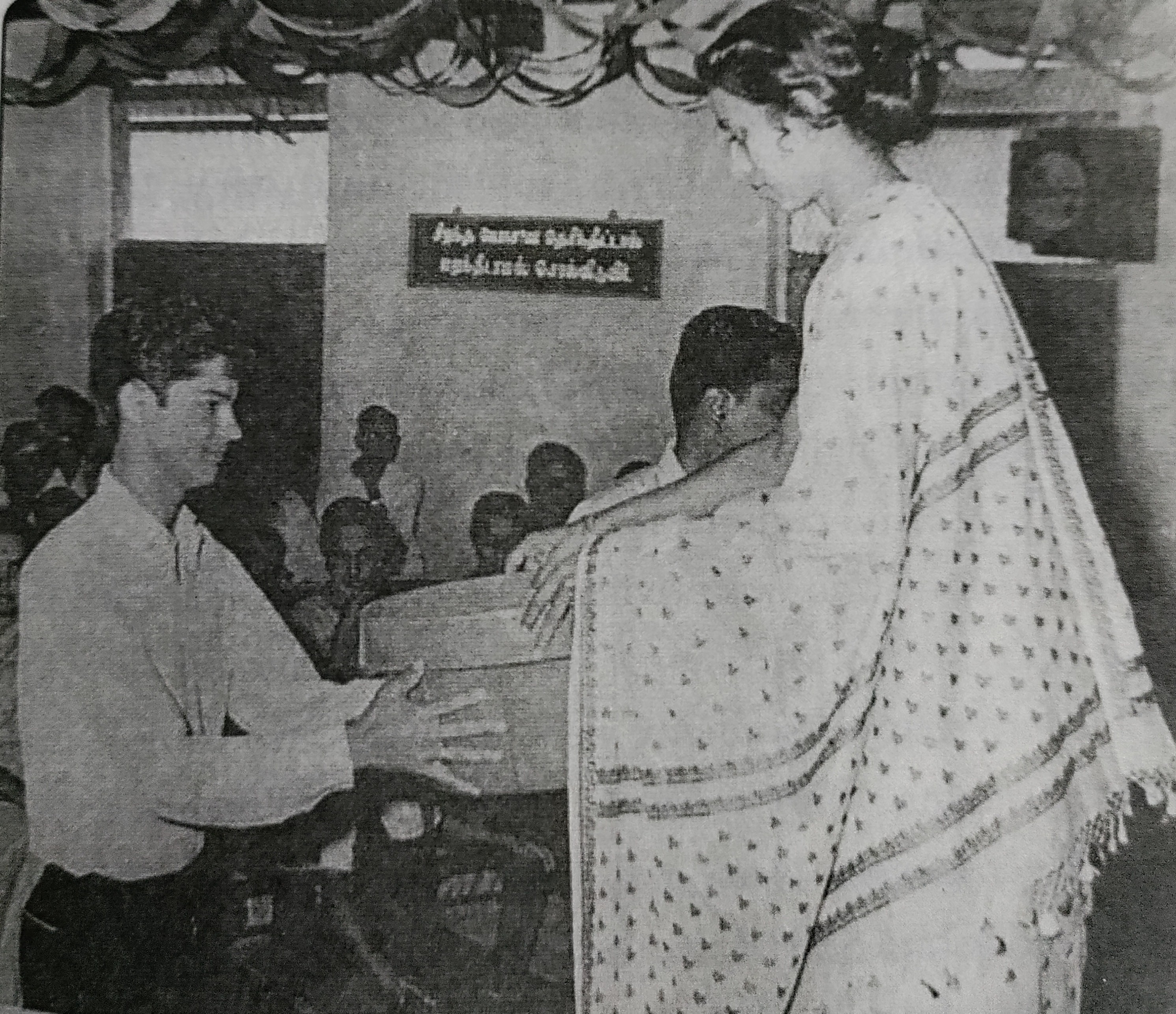
After graduating in electrical engineering, she joined the Madras State Electricity Board and worked on electricity distribution planning. She later helped establish women's polytechnic colleges in Coimbatore and Madurai, expanding access to technical education for future generations of women.
Looking back, what stands out is not simply what these women achieved.
It is what they achieved despite.
Despite being the only woman in the classroom.
Despite studying in institutions that had no plans for female students.
Despite entering professions that openly questioned whether women belonged there at all.
Today, International Women in Engineering Day celebrates visibility, mentorship and opportunity.
The women who came before all of that had none of those advantages.
What they had was something arguably more powerful.
The stubborn belief that a classroom, a laboratory, a bridge site or an engineering drawing board belonged to them just as much as it belonged to anyone else.
The rest of India eventually caught up.
Author
Loading...