







Diversity Equity Inclusion
EPAM’s Kate Pretkel on DE&I, leadership, and building inclusive workplaces





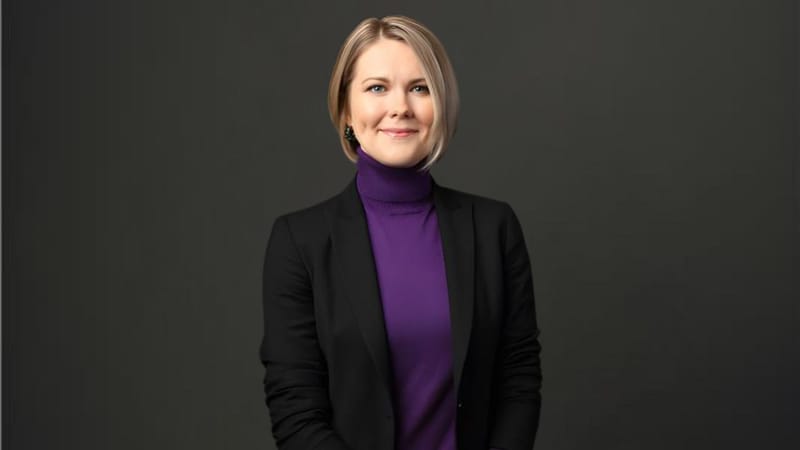
EPAM’s Kate Pretkel on how inclusion drives retention, leadership, and the future of DE&I in global workplaces.
In today’s rapidly evolving world of work, inclusion is no longer a “good-to-have” but a powerful driver of retention, innovation, and long-term success. Few leaders understand this intersection better than Kate Pretkel, VP of Leadership Excellence and Sustainability Programs at EPAM Systems. With responsibilities spanning leadership development, ESG, diversity & inclusion, and internal communications, Pretkel sits at the center of how EPAM designs its people-first culture across more than 50 countries.
In a conversation with People Matters, Pretkel shares how EPAM is integrating diversity, equity, and inclusion (DE&I) into its core, how leadership styles are evolving, and why the future of workplaces hinges on empathy, openness, and a willingness to challenge the status quo.
Inclusion as a retention strategy
For Pretkel, the connection between inclusion and employee retention is clear. “If you feel included, if you know someone is ready to listen to your voice, that directly impacts whether you stay,” she explains.
Despite operating in highly diverse markets, EPAM is proud of its attrition rates, especially in India. “We’re happy with where we are today, and it shows that inclusion and retention go hand in hand,” she adds.
Leadership’s role: Beyond checking the box
When asked about leadership’s role in championing DE&I, Pretkel points to her own portfolio.
“I look after ESG, DE&I, and leadership development—because these three are inseparable,” she says. “We don’t want leaders checking boxes; we want them breathing the values.”
EPAM evaluates its leaders not just on diversity metrics, but on meaningful adoption of inclusive behaviors—being open to new ideas, respecting different perspectives, and having tough conversations with empathy.
“Once leaders are genuinely open to difference, running any DE&I program—whether focused on women, LGBTQ+ employees, or cross-cultural collaboration—becomes so much easier,” she notes.
What EPAM expects from its workforce
Pretkel is equally clear about what she expects from employees.
1. Openness: “Be open to people who think differently, come from different backgrounds, and challenge the status quo.”
2. Respect: “Respect everyone—whether a junior expert or a senior vice president. We want people to feel comfortable sending an email to the CEO if needed.”
3. Global Mindset: “While local processes vary, our people know they’re part of one global EPAM team.”
This, she says, creates a flat, non-hierarchical culture where ideas take precedence over titles.
Measuring DE&I: Beyond numbers
Pretkel emphasises that measurement must go deeper than counting demographics.
• Employee Surveys & Sentiment Analysis: “We’ve been using AI-driven tools for years to track employee sentiment across gender, location, and function.”
• People Partners: Local HR partners act as trusted allies, surfacing ground-level insights.
• Training & Accountability: Recruiters, for instance, undergo bias-free interview training, with performance tracked.
• External Recognition: EPAM’s efforts have been validated by awards—being named among the best companies for women in India, and for LGBTQ+ employees in Latin America.
Future trends in DE&I
Looking ahead, Pretkel highlights two key trends: Women in leadership and expanding the talent map. “The big global trend is getting more women into leadership roles. It’s not just about parity—women often bring empathetic, collaborative leadership styles that are increasingly in demand.”
Currently, EPAM’s board of directors is 40% female, and women account for 20% of senior leadership globally and in India, with numbers rising steadily.
EPAM is also venturing into untapped geographies, running R&D and campus programs in regions previously overlooked. “Remote work and AI-enabled learning are bringing education and opportunities to talent pools we’d never considered before,” Pretkel observes.
Women’s leadership qualities: Nature or nurture?
Pretkel is careful not to essentialise gendered traits. “I wouldn’t say empathy is exclusive to women. But societies often raise girls with expectations to be more caring and inclusive. These skills—listening, collaboration, empathy—are now highly valued in leadership.”
As hierarchical, command-and-control models fade, leaders who embrace inclusivity and collaboration will thrive.
The EPAM blueprint for inclusive growth
Pretkel’s philosophy is clear: inclusion isn’t a standalone program but a way of doing business. By embedding DE&I into leadership development, internal communications, and everyday behaviors, EPAM is creating workplaces where employees feel respected, valued, and heard.
Or as Pretkel puts it, “It’s about building a culture where leaders breathe the values, employees feel safe to speak up, and every voice truly matters.”
Topics
Author
Loading...