







Diversity Equity Inclusion
Shapoorji Pallonji builds inclusion brick by brick: Sanjay Shenoy





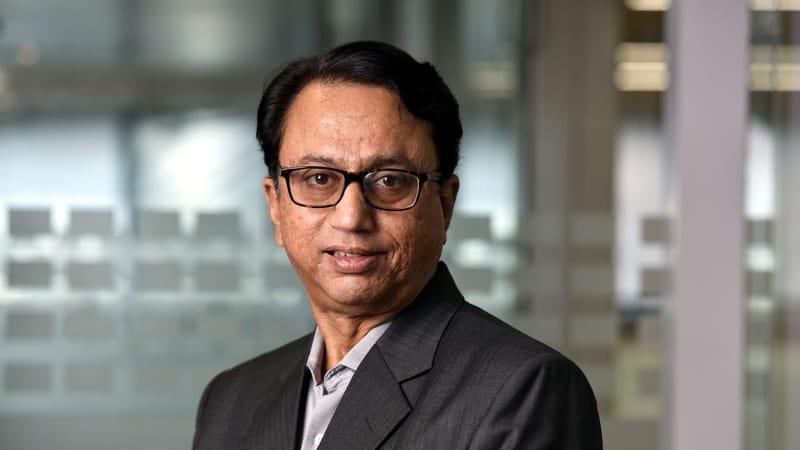
Sanjay Shenoy of Shapoorji Pallonji Real Estate shares how inclusive hiring, flexible roles, and second-career programs are reshaping the sector.
Despite being one of India’s largest employment generators, the real estate and construction sector remains overwhelmingly male-dominated. Women account for just 10% of the workforce—a statistic that reflects deep-rooted cultural, structural, and policy barriers. But as urbanisation accelerates and workplace norms evolve, the industry is beginning to shift.
In this exclusive feature, Sanjay Shenoy, Executive Vice-President, Human Resources at Shapoorji Pallonji Real Estate, unpacks the challenges and opportunities of building a more inclusive sector. From talent strategy to skilling, Shenoy outlines what it will take to move the needle, and why inclusion must be a core business strategy, not a side initiative.
Why women remain underrepresented in real estate
“The real estate and construction sector in India has traditionally been perceived as a male-dominated field,” Shenoy explains. “Its on-site nature, irregular working hours, and physical demands have discouraged women from entering.”
Beyond operational hurdles, societal expectations and limited awareness of career paths have further restricted participation. The absence of visible female role models in leadership compounds the issue.
However, Shenoy sees signs of change. “With rapid urbanisation, increased adoption of technology, and progressive workplace policies, the industry is evolving. Flexibility, higher earning potential, and lower entry barriers in certain roles are attracting more women.”
Shapoorji Pallonji’s talent strategy: Inclusion by design
At Shapoorji Pallonji Real Estate, inclusion isn’t just a buzzword; it’s embedded in the talent strategy. Shenoy outlines a multi-pronged approach to bridging diversity gaps:
- Targeted recruitment drives focused on women and underrepresented groups
- Mentorship and leadership development programs to support career growth
- Technical upskilling initiatives aligned with emerging industry demands
“We’re creating structured pathways for diverse talent to enter, grow, and lead,” he says. “It’s about building the right workforce for the sector’s future.”
Barriers to Inclusion: Mindsets, infrastructure, and policy gaps
Despite progress, significant barriers remain. Shenoy points to outdated mindsets and operational challenges as key roadblocks.
“Many still view the sector as a male domain, especially in site-based or leadership roles. Long hours, unpredictable schedules, and lack of basic facilities, like safe transport or proper washrooms, make it harder for women to join and stay.”
While equal opportunity laws exist, enforcement is inconsistent. “Few companies track diversity targets seriously. Until we change attitudes, improve infrastructure, and make policies work on the ground, true inclusion will remain out of reach.”
Rethinking roles and workplaces to attract diverse talent
To build a more inclusive workforce, companies must redesign how jobs are structured and how workplaces function. Shenoy advocates for:
• Flexible hours and strong maternity support
• Clear career growth paths for long-term retention
• Second-career programs to help women re-enter the workforce after breaks
“These programs should include refresher training, mentorship, and flexible project-based roles,” he says. “They ease the transition back to full-time work—one of the biggest challenges women face after maternity or personal breaks.”
Infrastructure matters too. “Work sites and offices must have proper safety measures, transport, and facilities for women. Skilling programs should offer hands-on training in both technical and leadership skills.”
Outreach is key. Shenoy recommends engaging with schools, colleges, and community groups to build awareness and interest. “Most importantly, companies should showcase success stories and role models so others can see that they, too, belong here.”
Inclusion as a business advantage
Beyond ethics, inclusion offers tangible business benefits. Shenoy believes the real estate sector can unlock competitive advantages by making diversity a strategic priority.
“An inclusive workforce brings diverse perspectives that enhance problem-solving and foster innovation. It strengthens customer understanding—critical for an industry serving varied demographics.”
Companies with strong diversity practices are better positioned to design products that appeal to broader audiences, build stronger community relations, and attract top talent. “Inclusion also boosts brand reputation, investor confidence, and long-term business sustainability.”
The road ahead
As India’s real estate sector continues to grow, the opportunity to reshape its workforce is immense. Leaders like Sanjay Shenoy are proving that inclusion isn’t just possible—it’s essential.
“Change won’t happen overnight,” he says. “But with the right mindset, infrastructure, and commitment, we can build a sector where everyone has a place—and a path to thrive.”
Author
Loading...