







Employee Engagement
How physical spaces influence culture, collaboration and performance: Shivani Adlakha Manchanda






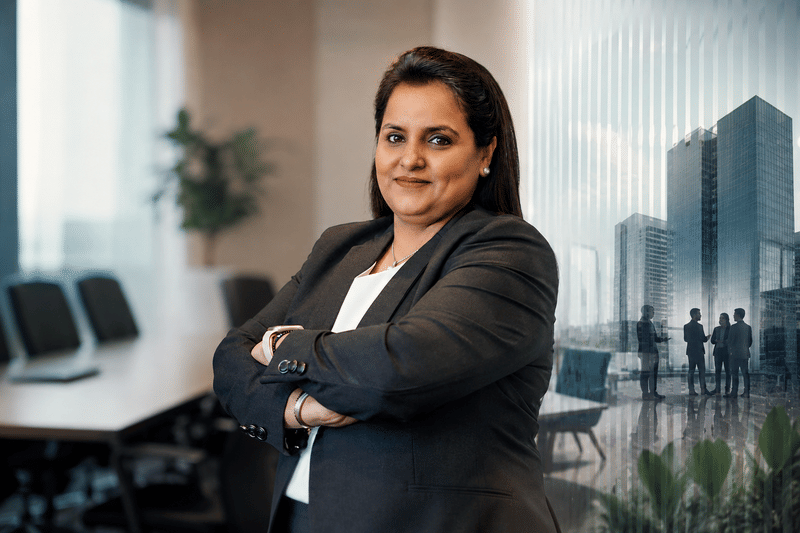
As organisations rethink the purpose of the office in a hybrid world, Shivani Adlakha Manchanda discusses why workplace design is increasingly becoming a driver of culture, collaboration, wellbeing and performance.
The office is no longer viewed solely as a place where work gets done. As hybrid work reshapes employee expectations, organisations are rethinking how physical spaces contribute to collaboration, culture, engagement and productivity.
In a conversation with People Matters, Shivani Adlakha Manchanda, Vice President Human Resources, Whiteland Corporation, shared her perspective on the workplace trends influencing office design, the growing importance of hospitality-inspired experiences, the role of technology in modern workplaces, and what will separate offices employees actively choose from those they avoid.
The office must offer more than a desk
According to Manchanda, one of the most significant shifts is the move away from designing workplaces around operational efficiency alone.
"Nowadays, organisations are no longer focused on just square footages, but in curating human experience."
She identifies hybrid work as the key force behind this transformation.
"The primary catalyst is the permanent rise of hybrid work. Because employees can do operational tasks, the physical office must earn their commute."
This has accelerated demand for workplaces designed around experience rather than occupancy.
"We are consequently seeing a massive trend toward experiential design. Offices are being designed as collaboration hubs rather than rows of desks."
Manchanda points to several design approaches gaining prominence:
- Neuro inclusive design that supports different cognitive needs
- Diverse acoustic environments
- Biophilic wellness initiatives integrating nature into workplaces
- Spaces designed to reduce burnout and encourage connection
"Ultimately, real estate is shifting from a static asset to a talent retention tool. We build for connection, not just capacity."
Rising expectations are reshaping workplace investments
Employee expectations have evolved significantly since hybrid work became mainstream.
Manchanda believes organisations are increasingly viewing workplaces as strategic assets rather than operational expenses.
"The modern workplace is undergoing a radical evolution. We are experiencing a shift where offices are no longer just overhead costs, but strategic hubs engineered for cost optimisation, spatial efficiency, and high impact employee engagement."
She says employers are responding through a combination of workplace flexibility, collaborative activities and curated experiences.
"To meet escalating employee expectations, forward thinking organizations are actively leveraging curated events, collaborative activity, and flexible work arrangements."
The focus, she says, is on creating environments that support a diverse workforce.
"The mandate is clear: to deliver amenity rich environments that appeal to a diverse workforce."
Among the workplace features she highlights are:
- Natural light
- Ergonomic workstations
- Agile collaboration zones
- Cafes
- Yoga studios
- Wellness spaces
Why hospitality is entering the workplace
The influence of hospitality is becoming increasingly visible in workplace design strategies.
"Just like premium hotel chains, developers and employers are co creating experiential spaces designed to welcome, immerse, and inspire."
For Manchanda, this reflects a broader shift in how organisations view their physical environments.
"The era of sterile cubicles is long gone."
She describes workplaces as increasingly serving as visible expressions of organisational identity.
"Today’s workplaces are powerful, physical manifestations of brand culture and credibility."
Features such as biophilic design, wellness zones and breakout spaces are becoming central components of workplace planning.
"The result is a high-performance workplace that nurtures concentration, positivity, and productivity."
Designing for culture, engagement and performance
Workplace design has implications beyond aesthetics, Manchanda says.
"Physical workspace design is a powerful catalyst for organisational performance."
She believes offices can actively shape organisational culture by reinforcing behaviours and interactions.
"Far from being a passive backdrop, a well designed office shapes company culture by acting as a physical manifestation of brand values, breaking down hierarchies, and building trust."
She also links physical environments to innovation and collaboration.
"We utilise layouts that spark spontaneous innovation by providing interactive social zones to ensure collaboration and engagement."
At the same time, design choices can influence employee wellbeing and focus.
"Integrating biophilic elements, flexible workspaces, and natural light can directly reduce cognitive fatigue and counters burnout."
Balancing employee experience with business realities
While employee experience remains a priority, organisations continue to face pressure around utilisation, costs and productivity.
Manchanda says companies are balancing these priorities through a combination of workplace design and policy choices.
"Companies balance experience led offices and business realities by adopting hybrid models."
She points to several approaches organisations are adopting:
- Zoned workplace designs aligned to activities
- Data-driven utilisation strategies
- Cost-sharing and managed space options
- Hybrid working arrangements
- Activity-based zoning areas
- Clear role demarcations within departments
- Access to HR support
- Sustainable human resource management
- Wellbeing-focused policies
"This protects culture while controlling costs and productivity expectations by adapting policies that are employee-centric."
Technology is creating responsive workplaces
Technology is also playing a larger role in shaping workplace experiences.
"Technology has become an invisible backbone of the modern experiential workplace."
According to Manchanda, data and digital tools are helping organisations move from assumptions to evidence-based workplace decisions.
"As real estate firms, we utilise IoT sensors and data analytics to track real time data, allowing us to dynamically optimise layouts for true collaboration rather than guesswork."
Employees are also interacting with workplaces differently through digital tools.
"For employees, smart office apps have transformed the daily experience, allowing easy desk booking, climate customisation, and touchless access."
She adds that technology has become particularly important in supporting hybrid teams.
"Advanced tech and unified communications bridge the gap for hybrid teams, ensuring equity of presence for remote and on site staff."
In her view, technology has fundamentally changed the nature of the workplace.
"Technology has successfully transitioned the office from a static container into an intelligent, responsive ecosystem that elevates productivity and well being."
What will bring employees back to the office?
Looking ahead, Manchanda believes attendance will increasingly depend on whether organisations create meaningful reasons for employees to be on site.
"Employees will choose workplaces that treat in office time as valuable."
She says employees are more likely to engage with workplaces that offer tangible benefits.
"They value workplaces where being on site delivers clear benefits (better collaboration, career development and amenities) and where policies are fair, flexible, and transparently justified."
Conversely, offices relying solely on attendance mandates may struggle.
"Offices that keep insisting on attendance without delivering those advantages will keep losing engagement and attendance."
She identifies several factors likely to define successful workplaces in the years ahead:
- Project-focused collaboration days
- Access to learning and mentorship
- Cross-functional interactions
- Better tools and facilities than employees have at home
- Flexible, role-based workplace policies
"They use fair, flexible policies (hybrid by role or function, grandfathering exceptions, phased changes) rather than blanket mandates, so employees feel respected."
As organisations continue to refine their workplace strategies, the focus is shifting from simply providing space to creating environments that strengthen culture, enable collaboration and deliver a clear purpose for employees to come together.
Topics
Author
Loading...