







HR Technology
AI meets empathy: Balancing automation with the human side of rewards





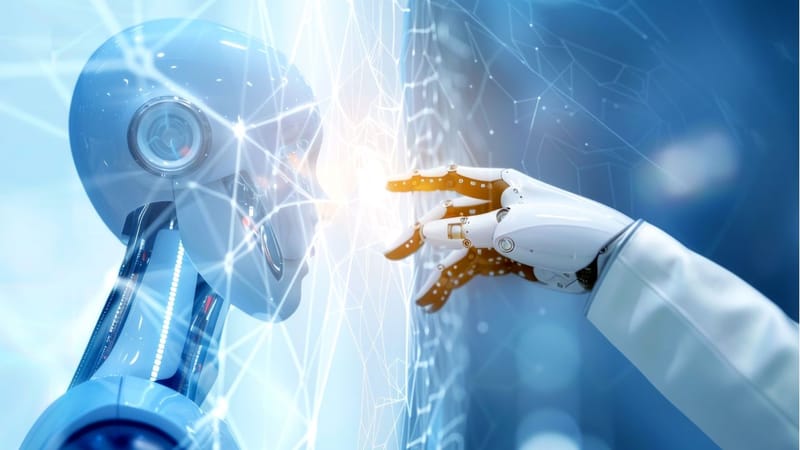
Where algorithms quantify effort, empathy gives it meaning. The future of rewards lies in the quiet space where technology remembers to care.
Recognition once began with a gesture: a handwritten note, a shared glance, a pause in the corridor that said I appreciate what you did. Now the moment has a digital twin. Machines track the rhythm of contribution and assign rewards with algorithmic grace. Precision has replaced intuition. Yet beneath the surface of automation, something ancient stirs: the need to be recognised not as data, but as meaning.
AI has made reward systems dazzlingly efficient, but efficiency has no heartbeat. It distributes appreciation like currency, detached from touch. The paradox is clear: as technology perfects the mechanics of recognition, it risks hollowing its spirit. What makes a reward powerful is its humanity, the quiet signal that someone, somewhere, truly noticed.
The architecture of feeling
Rewards are emotional architecture. They build the invisible scaffolding of belonging, trust, and identity inside an organisation. AI can map this architecture, but only empathy can furnish it. Data identifies contribution; empathy interprets its significance. The two must coexist if recognition is to remain art rather than an algorithm.
Reward as narrative intelligence
Every organisation tells a story about what it values. Rewards are the punctuation in that story, the commas and full stops that give rhythm to ambition. AI can detect who contributed most, but only humans can decide why that contribution matters. When recognition becomes storytelling, rewards turn from currency into culture.
Imagine a platform that not only measures effort but senses emotion, that reads the cadence of collaboration and recommends gestures that reinforce purpose. This is not fantasy. The tools exist. What remains is leadership capable of shaping them with moral imagination. Technology can choreograph the dance, but the music must remain human.
The empathy index
Empathy has entered the balance sheet. It appears in retention rates, in innovation metrics, and in customer satisfaction scores. It is now measurable, and that changes everything. AI systems trained on behavioural data can trace patterns of care and omission, mapping where recognition blooms and where it withers.
Yet empathy is not a variable to optimise. It is a principle to preserve. The most visionary organisations are designing ethical empathy loops: feedback systems that ensure automation never becomes impersonation. They use data to illuminate generosity, not to counterfeit it.
Rewriting the social contract of reward
Work is evolving into a network of intelligences - human, synthetic, and hybrid. In this landscape, reward must become more than compensation; it must be conversation. AI provides fluency, and empathy provides depth. Together, they allow organisations to speak the modern language of appreciation: real-time, contextual, and profoundly personal.
The next revolution in recognition will not be technological but philosophical. It will ask how we design systems that understand the human need for meaning, not just output. Rewards will become less about distribution and more about translation, turning insight into intimacy, algorithm into acknowledgement.
The future, quietly human
The endgame of intelligent recognition is not automation but elevation. The finest systems will hum almost invisibly, catching the light where effort meets empathy. They will remind leaders that data can reveal brilliance, but only gratitude can sustain it.
In the end, every organisation must decide what kind of intelligence it wants to cultivate. One counts achievements. The other celebrates them. Between the two lies the delicate art of reward, where AI meets empathy, and technology remembers to care.
The future of rewards lies where intelligence meets intuition. Be part of the conversation at the People Matters Total Rewards & Wellbeing Conference, and help shape a world where automation serves empathy.
Author
Loading...