







Leadership
Can data really understand people? KPMG’s Reena Wahi has an answer
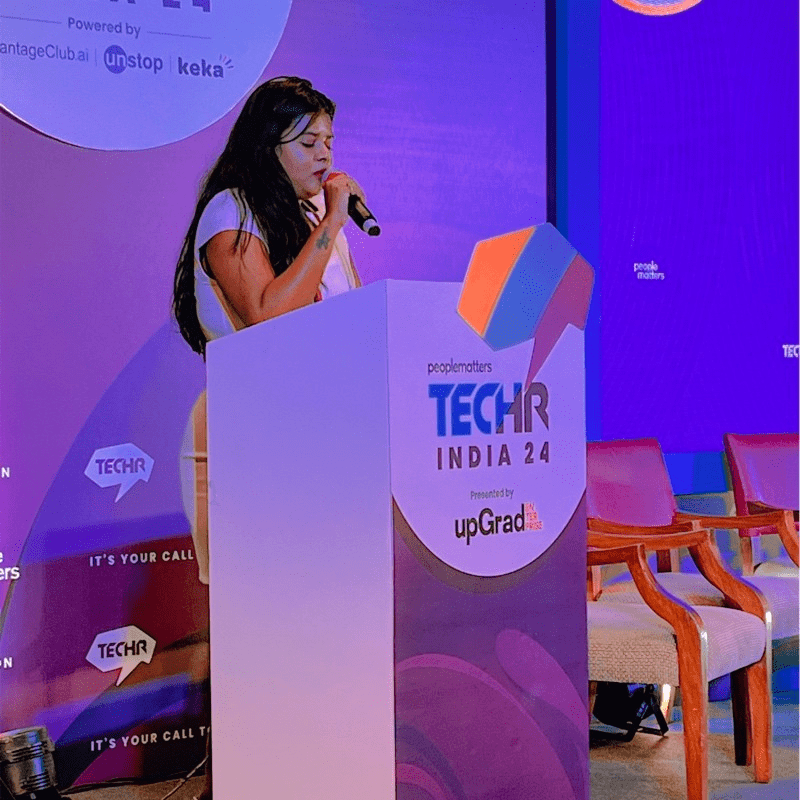





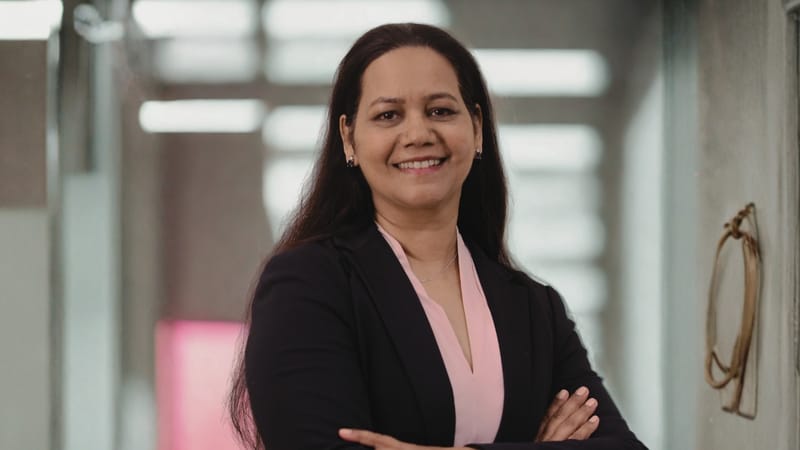
KPMG’s Reena Wahi on how predictive insights are changing the way HR understands people — balancing foresight with empathy, data with trust.
When Reena Wahi talks about the future of work, she doesn’t begin with algorithms or dashboards. She begins with people.
“Predictive analytics can be a game changer,” says the Partner and Head of People, Performance and Culture at KPMG in India. “But it’s only as powerful as the empathy and context in which it’s applied.”
For KPMG, a firm operating at vast scale and complexity, the rise of predictive analytics represents something more than a technical upgrade. It’s a philosophical shift — from hindsight to foresight, from reacting to workforce issues to anticipating them before they unfold.
Forecasting the Human Pulse
Wahi describes predictive analytics as central to KPMG’s talent strategy. The firm uses it to track the health of engagement, forecast attrition risks and productivity shifts, and understand where emerging skills will be most in demand.
“We’re able to proactively monitor metrics such as skill obsolescence and evolving skill demand,” she explains. “Those insights have been instrumental in shaping a forward-looking learning strategy that keeps our workforce future-ready.”
That approach signals a wider trend across professional services and large corporations — the move to bring data science into the heart of HR. Where once analytics described what happened, it’s now being asked to predict what’s coming next: when key talent might leave, where morale is slipping, or which roles are at risk of redundancy or reinvention.
But Wahi is quick to caution that numbers don’t tell stories by themselves.
“Employee experience is about trust, belonging and culture — things you can’t reduce to a formula,” she says.
At KPMG, data is drawn from its Global People Survey, pulse checks, exit interviews and even sentiment analysis that parses the emotional tone of feedback. But these are paired with listening sessions and manager discussions to capture the nuances that algorithms can’t.
“That integration helps us uncover the ‘why’ behind the data,” Wahi says. “It means we don’t just fix symptoms; we address causes.”
Where Foresight Meets Privacy
The use of predictive analytics in HR has raised inevitable questions about privacy and consent. Wahi insists that the firm’s approach is anchored in transparency and purpose.
“Trust is embedded in our values and it’s non-negotiable,” she says. “Employees know what data is being used, why, and how. We only collect what we truly need.”
Her comments reflect a broader concern among regulators and employees alike that the same tools used to predict workforce trends could, if unchecked, erode trust. Wahi believes clarity — not just in policy but in tone — is what keeps that balance intact.
The real test of predictive analytics, she argues, lies in how it influences decisions at the top. At KPMG, insights from its Global People Survey and other listening tools are already shaping boardroom discussions on wellbeing, recognition and workload management.
“We used these insights to identify early signals of change,” Wahi says. “Bringing predictive trends and employee narratives together helped move leadership from reactive fixes to proactive design.”
It’s that shift — from data as an afterthought to data as strategic input — that she considers transformational. Predictive analytics has given HR a new credibility in the room where corporate priorities are set.
The Human Judgement Gap
Even so, Wahi insists that the role of human judgment remains irreplaceable. “Predictive insights must be treated as a compass, not a verdict,” she says. “Our people are still at the helm. Data sharpens their judgment; it doesn’t override it.”
That philosophy echoes a wider conversation in business circles: how to use AI and analytics as amplifiers, not arbiters. In practice, it means giving managers tools that enhance intuition rather than replace it — analytics that point to trends but leave space for context, relationships and lived experience.
For HR teams themselves, the rise of predictive insights demands new fluency. “HR must evolve into data storytellers,” Wahi says. “Data shouldn’t be static dashboards — it should be storyboards that reveal patterns and spark the right questions.”
The shift, she adds, is both technical and cultural. To turn numbers into action, HR professionals must blend analytical ability with business understanding, intuition and empathy. “It’s time to move from problem-solving to solution-building,” she says — from reacting to anticipating, from measuring outcomes to shaping them.
A New Compact Between CEOs and CHROs
Wahi believes predictive analytics is changing not only HR’s toolkit but also its status inside the organisation. “The CEO–CHRO relationship has already evolved beyond managing the traditional realm,” she says.
Talent, once viewed as a support issue, is now central to strategy. “CEOs need CHROs who can anticipate workforce shifts, shape culture and drive growth agendas,” she notes.
For her, predictive analytics equips HR leaders to have those strategic conversations — to align workforce planning with long-term business goals, to guide digital adoption and to champion better employee experiences across the enterprise.
The appeal of predictive analytics lies in its precision. But its power, Wahi suggests, lies in the humanity behind it.
The most forward-thinking firms are not the ones that collect the most data, but those that interpret it with sensitivity. Predictive models can flag flight risk; they can’t quantify loyalty. They can forecast attrition; they can’t capture ambition. That, Wahi argues, is why empathy must sit at the core of every algorithm.
“The best outcomes happen when analytics and human insight work in tandem,” she says. “Predictive analytics helps us see what’s coming — but it’s empathy and understanding that determine how we respond.”
Topics
Author
Loading...