







Leadership
FOMO is overrated. Why India’s leaders are leaning into JOMO
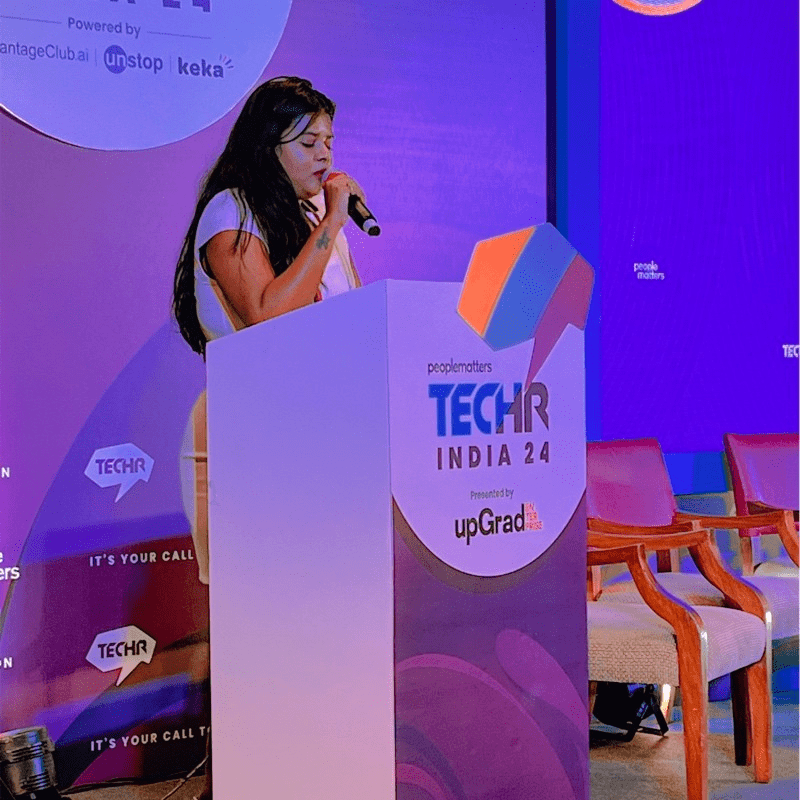






For leaders, saying no to every invite isn’t isolation — it’s strategy. The rise of JOMO is challenging India’s “always visible” workplace culture.
On a Thursday evening in Mumbai, the ballroom of a five-star hotel is filling up with the city’s business elite. Laughter, business cards, and polished small talk spill into the air.
A few kilometres away, a CHRO packs up her laptop and heads home. She has a board presentation due the next morning and chooses to spend the evening refining her pitch instead of “being seen” at yet another networking night.
Once, such a decision might have seemed risky. In Indian corporate culture, Fear of Missing Out — or FOMO — has long dictated professional calendars. But leaders like her are now embracing its opposite: Joy of Missing Out (JOMO).
A leadership shift
For decades, the unwritten rule was simple: visibility drives opportunity. Dinners, panel discussions, and offsite mingles weren’t optional — they were the price of influence.
That rule is under review. The pandemic forced leaders to reassess where their time and energy go. A 2023 Harvard Business Review survey linked “performative busyness” with higher stress and lower job satisfaction, prompting many to scale back appearances in favour of focused work.
Microsoft’s Work Trend Index 2024, which included responses from India, reported that 68% of employees value uninterrupted focus time over visibility for productivity — a finding that applies just as much to leaders.
Cal Newport, author of Deep Work, told CNBC in 2023 that networking without clear purpose dilutes focus from high-value work. In India’s hybrid era — where leaders navigate global time zones and constant digital demands — the costs of unnecessary attendance are higher than ever.
The shift isn’t about withdrawal but selectivity. Leaders are:
Prioritising strategic relevance: Attending only events aligned to organisational or personal goals.
Building depth: Investing in fewer, more meaningful relationships.
Empowering others: Delegating event representation to rising team members.
A senior HR leader at a major Indian conglomerate told People Matters that she now attends 50% fewer events than before 2020. “If it doesn’t advance a strategic goal or sharpen my thinking, I’d rather put that time into my team,” she said.
Many hesitate to step back due to fears of becoming “invisible” to peers and influencers. But data shows this fear may be unfounded. LinkedIn’s Global Talent Trends 2024 found 76% of hiring managers prioritise results and impact over visibility in promotion decisions.
Executive coach Priya Malhotra told The Economic Times: “Leaders who guard their time are often respected more. It signals clarity and discipline — traits essential in senior leadership.”
The leadership advantages of JOMO
For leaders, JOMO can mean:
Sharper focus: Less event fatigue, more energy for critical decisions.
Healthier team norms: Showing that influence isn’t tied to constant presence.
Stronger culture: Encouraging purposeful connections over performative ones.
In India’s evolving workplace, where hybrid schedules and cross-border collaborations are the norm, this isn’t about missing out — it’s about filtering out the noise to focus on the signal.
Making JOMO work for you
Audit your calendar: Track the past quarter’s events and note the tangible outcomes.
Set attendance criteria: Say yes only if it’s strategic, learning-led, or strengthens key partnerships.
Host smaller, focused interactions: Curated roundtables or one-on-one conversations can replace mass events.
Topics
Author
Loading...