







Leadership
Giorgio Armani dies at 91: The man who gave leadership its global uniform






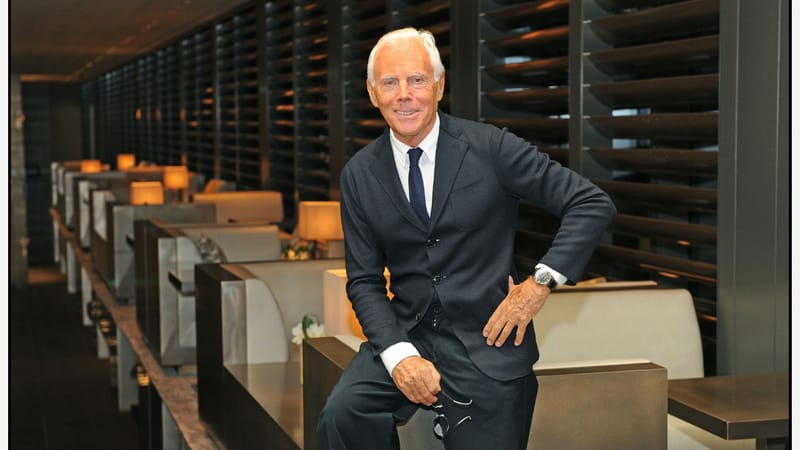
Armani stripped fashion of stiffness and turned restraint into power, reshaping the way the world’s executives and actors dressed.
Giorgio Armani, the Italian designer whose clean lines and unstructured suits transformed the global idea of authority, has died at the age of 91. The Armani Group confirmed he passed away in Milan on 4 September, ending a career that spanned half a century and left an imprint on boardrooms and red carpets alike.
Armani was more than a designer; he was an industrialist of style. He created a vocabulary of power that owed nothing to flamboyance and everything to discipline. In the late 20th century, when the corporate world was consolidating its grip on politics and culture, Armani provided its uniform: soft-shouldered suits in muted tones, jackets that moved with the body, and a vision of strength expressed through understatement. The Wall Street Journal described him as “the designer and business mogul who balanced softness with power and brought subtle Italian luxury to the world stage.”
The medic who cut differently
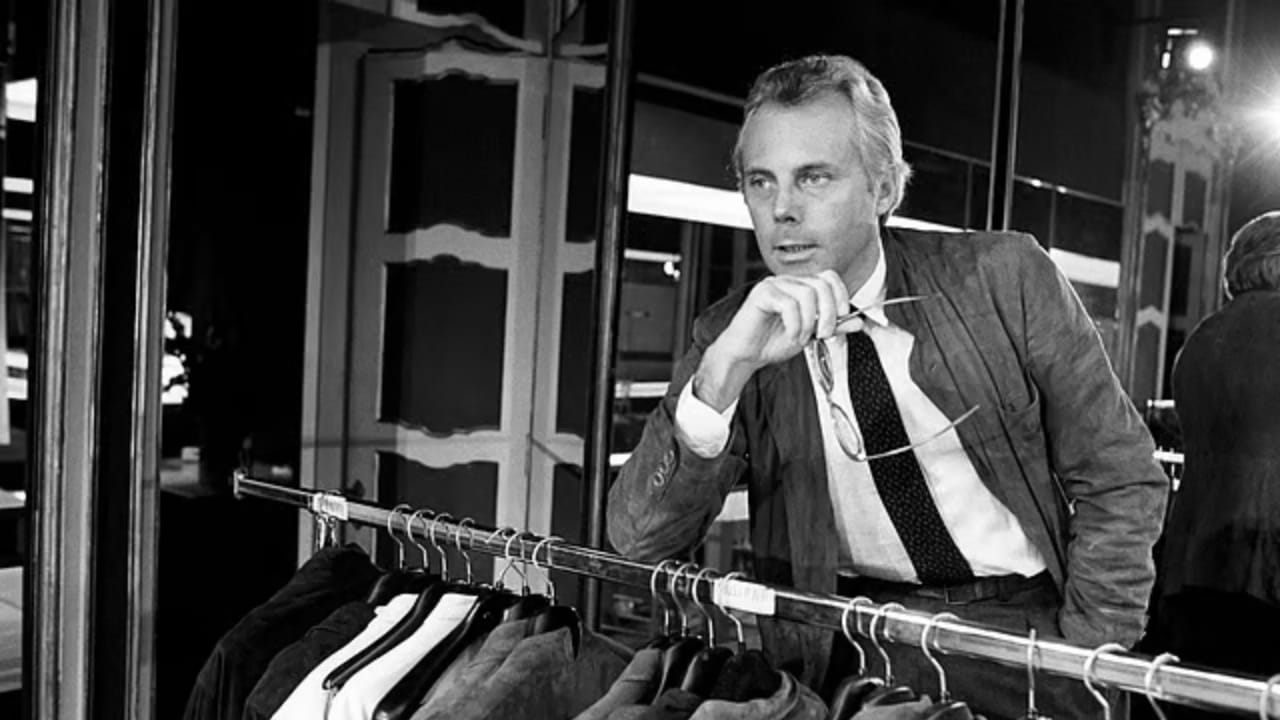
Born in Piacenza in 1934, Armani came of age in a provincial Italy still recovering from war. He began studying medicine but left university to serve in the military, before drifting into retail as a window dresser at La Rinascente, the Milanese department store. He learnt the mechanics of fashion by dressing mannequins, sourcing fabrics and watching how customers moved. By the mid-1960s he was designing menswear at Nino Cerruti, where he refined the art of tailoring. It was there that he realised structure could be lightened without losing authority.
In 1975, with his partner Sergio Galeotti, Armani founded his own company. Two years later Galeotti persuaded him to stage a show in Paris, and the world began to notice. The great rupture came in 1980, when Richard Gere appeared in American Gigolo dressed entirely in Armani. The film gave Armani’s suits a global audience. Hollywood saw in his work a new modernity: stripped of padding, precise in cut, a form of masculinity that was not rigid but confident in movement.
Hollywood’s soft power moment
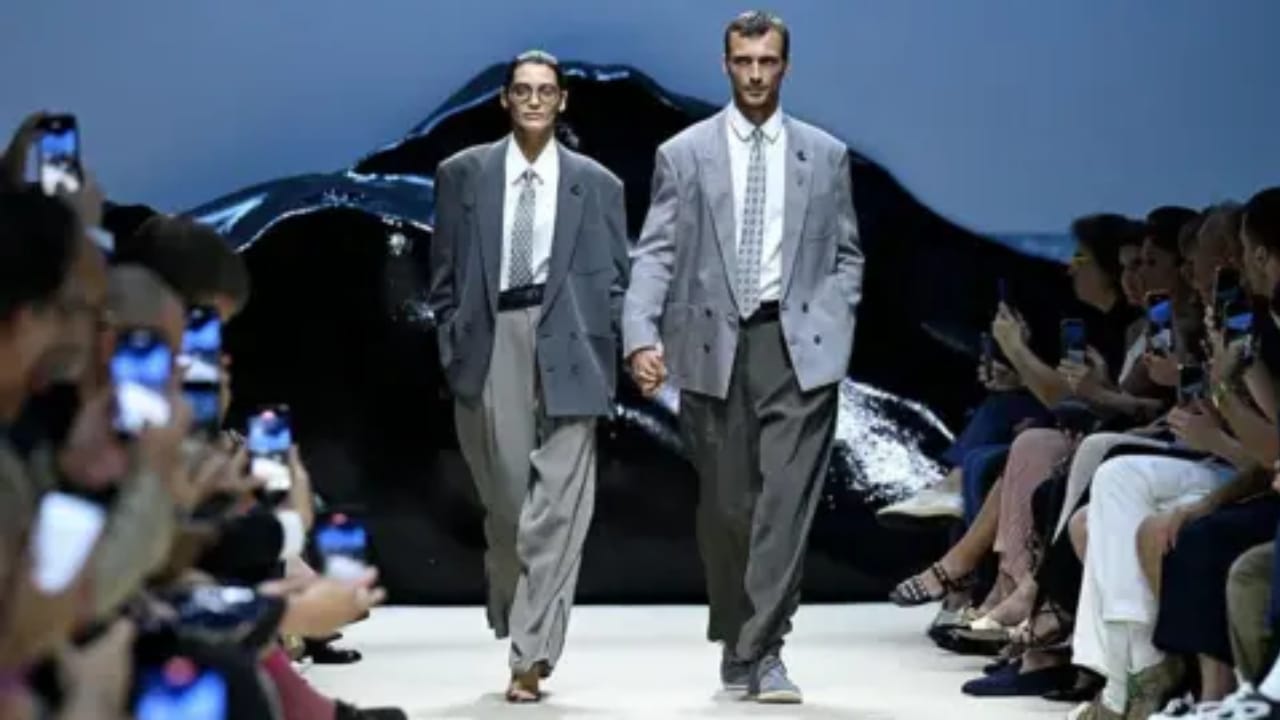
That aesthetic travelled quickly from cinema to commerce. By the 1980s Armani was clothing executives in Europe, the United States and Asia. Vogue wrote that he had “designed the uniform of aspiration” for a generation that wanted to look commanding without appearing aggressive. Grey and navy became signals of seriousness. The Italian designer, who avoided flamboyance himself, turned discretion into a commodity. In so doing he created what would later be branded as “quiet luxury” — an insistence that true authority does not shout.
The empire grew with the same discipline. Armani launched Emporio Armani for younger clients, Armani Exchange for mass retail, Armani Privé for haute couture. He moved into fragrances, eyewear, homeware, and eventually into hotels, opening flagship properties in Dubai and Milan. The Irish Times reported annual revenues for the group of around €2.3 billion, placing it among the most valuable independent houses in fashion. Unlike rivals absorbed by conglomerates such as LVMH or Kering, Armani retained full ownership of his company until his death. That independence gave him unusual freedom — and an unusual burden — in shaping his legacy.
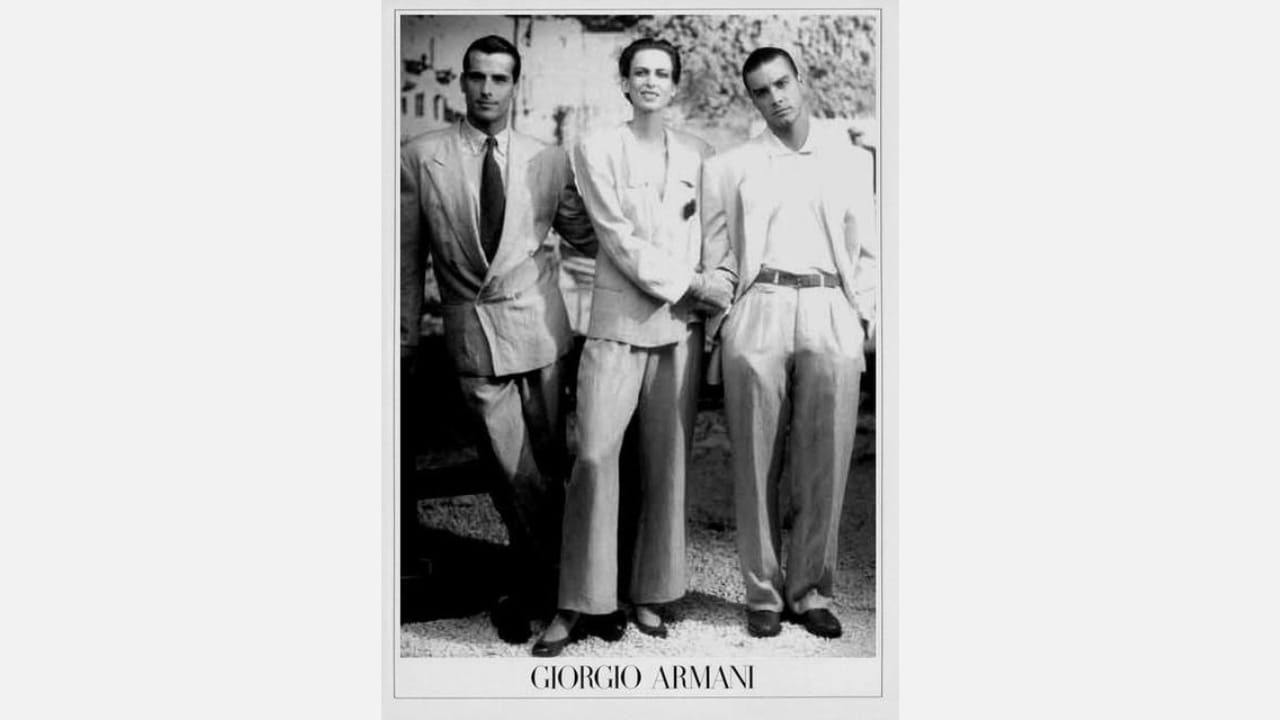
By the 1990s Armani was not just a fashion name but an institution. He dressed Michelle Pfeiffer, Jodie Foster and George Clooney, became a fixture on red carpets and was a preferred tailor for heads of state. At the same time he built a reputation for consistency. While Versace dazzled with colour, Armani’s palette rarely strayed from earth, stone and steel. His genius was repetition with refinement. He insisted that he designed only clothes he would wear himself, and that philosophy gave the brand coherence across decades of shifting taste.
Armani’s health began to falter in recent years. Reuters reported that he missed the June menswear shows in Milan — the first absence in five decades — following treatment for an undisclosed illness, though he watched via livestream. In one of his last interviews, with the Financial Times, he admitted a personal regret: that he had spent too many hours at work and too few with friends and family. It was a rare moment of candour from a man whose discipline had always blurred the line between vocation and life.
He was also clear about succession. The company announced that leadership would pass to his sister Rosanna, nieces Silvana and Roberta, nephew Andrea Camerana, and trusted lieutenant Leo Dell’Orco. Armani described it as an “organic transition,” avoiding the abrupt transfers of power that have unsettled other fashion dynasties. A public tribute is planned at Armani/Teatro in Milan, followed by a private funeral in line with his wishes.
The financial community will watch closely. Armani’s independence has long been cited as both strength and vulnerability. Analysts have noted that without the protection of a conglomerate, his company has had to balance brand consistency with global competition. His successors inherit not only a celebrated name but a strategic challenge: how to preserve coherence in a market increasingly defined by celebrity collaborations and viral spectacle.
The last suit-maker standing
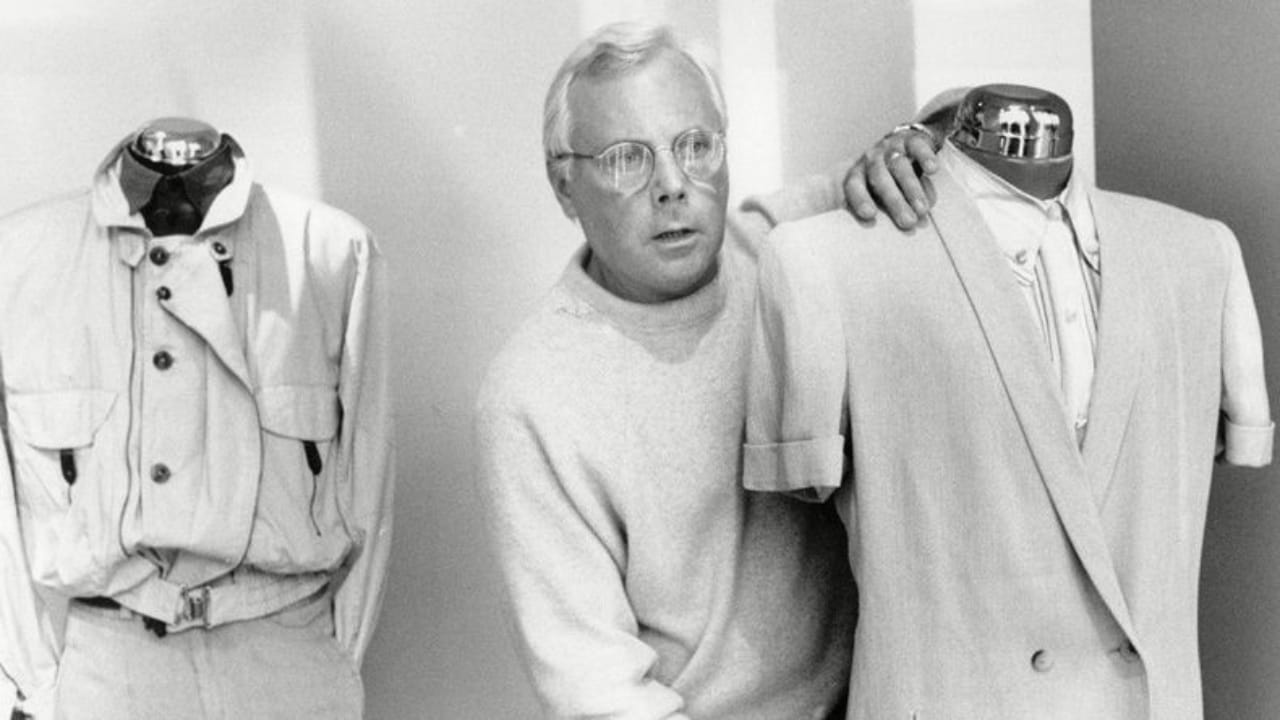
For all the talk of numbers and governance, Armani’s greatest legacy remains aesthetic. He made executives look modern by removing rather than adding. He replaced aggression with poise, rigidity with ease, noise with silence. In fabric and cut he offered an argument that authority need not be theatrical. The New York Times once noted that no designer since Chanel had altered modern dress codes so profoundly. That judgement will stand.
Armani worked until the end. Reuters reported he was still sketching and reviewing collections in his final weeks. His death closes the chapter on an era when fashion was shaped by founder-owners with clear, almost stubborn visions. It also leaves the world with a uniform that has outlasted its moment: the soft jacket, the muted suit, the idea that true power can be worn lightly.
He was, in every sense, a disciplined revolutionary.
Topics
Author
Loading...