







Leadership
Middle managers aren’t OK — and Gen Z isn’t the problem”: CPO Vikrant Kaushal






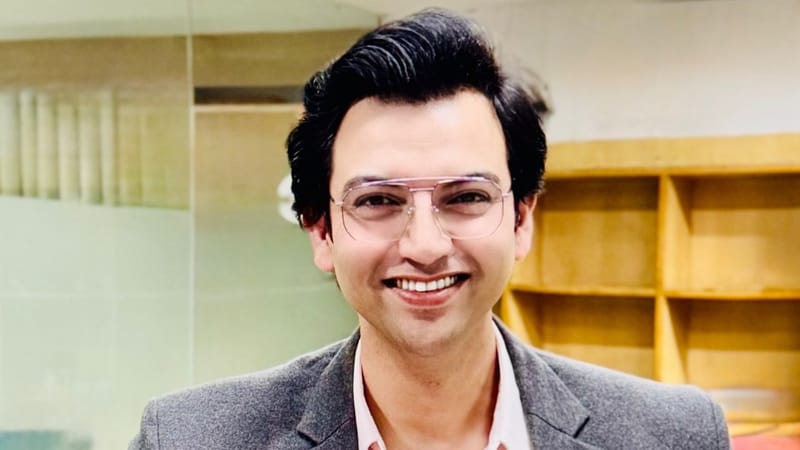
As Gen Z reshapes the world of work, the role of the middle manager must be redefined, not overloaded, says Chief People Officer Vikrant Kaushal.
When it comes to Gen Z in the workplace, it’s not a question of if your organisation will be disrupted, but how prepared your managers are to navigate that disruption. As Gen Z employees demand flexibility, transparency, and purpose, many middle managers find themselves stretched thin. Vikrant Kaushal, Chief People Officer at Consortium Gifts, believes it’s time to stop blaming either side and start redesigning roles, expectations, and systems to meet the needs of both.
In an interview with People Matters, Kaushal shares why the perceived friction between Gen Z and their managers is often a sign of outdated structures, not problematic people.
Flexibility and Purpose: The Non-Negotiables
“Gen Z has truly shaken up the workplace,” says Kaushal. “Flexibility isn't a perk for them—it's a baseline expectation.” Raised in a hyper-connected world, this generation brings a level of digital fluidity and autonomy that upends traditional norms.
A Gen Z software engineer might be at their most productive working from a co-working space in the afternoon and a café in the morning. A marketing associate could be evaluating a company’s environmental footprint as closely as its sales numbers. This is a generation not just working for a salary, but searching for values-aligned, purpose-driven careers.
And while some frontline managers are adapting—leveraging flexible work as a talent magnet—others, particularly in traditional industries, are caught off guard. Kaushal observes that the gap often lies not in the values themselves, but in the systems used to manage them.
Where the Friction Starts
One of the most common pain points? Mismatched expectations.
“Gen Z wants transparency—they want to know the 'why' behind decisions,” Kaushal explains. That means decisions around promotions, performance feedback, or even task allocation need to come with context.
At the same time, Gen Z thrives on real-time feedback. What might seem like an eager question to them can feel like pushback to a manager conditioned by hierarchies. Add in Gen Z’s openness about mental health and wellbeing, and many managers find themselves ill-equipped for conversations they’ve never been trained to have.
“It’s rarely about rebellion,” Kaushal stresses. “Most of the time, the friction is structural, not personal.”
The Myth of the Super-Manager
There is a growing cultural narrative that managers must be mentors, coaches, culture carriers, and counsellors—all while delivering on business targets. Kaushal doesn’t buy it.
“We’re burning people out by expecting them to be everything to everyone,” he says. Instead, he proposes a model of shared leadership, where different aspects of people development are distributed across roles.
“Your direct manager might help you with your day-to-day work, while a mentor supports your career development. HR might handle cultural integration,” Kaushal explains. “The best managers today aren’t superheroes. They’re humans who know when to step in, and when to bring in someone else.”
By removing the pressure to perform every people function, Kaushal believes organisations can preserve the energy and effectiveness of managers while still meeting Gen Z’s need for personalised support.
Managers Aren’t Breaking—Systems Are
Some critics say Gen Z is simply too demanding. Others argue that managers are breaking under generational pressure. Kaushal offers a more systemic view: “Managers aren’t breaking because of Gen Z. They’re breaking because we haven’t updated our systems.”
Take promotions. Many companies still reward top individual contributors with management roles, then expect them to handle complex people issues without support. They’re often given teams to lead, but no guidance on how leadership itself has changed in the digital and generational shift.
“Everything around them is evolving—from technology to employee values to performance metrics,” Kaushal notes. “But the manager’s job description? That’s often stuck in the past.”
The Case for Manager Enablement
Kaushal is clear about what’s needed: a system-wide shift toward manager enablement. And he doesn’t mean a webinar or one-time workshop. He’s talking about continuous, hands-on support.
Here’s what he recommends every company build:
Mental health literacy so managers can navigate emotional conversations with empathy.
Inclusive leadership toolkits to ensure all team members feel seen and heard.
Purpose-driven coaching skills to connect individual work with organisational values.
Boundaries and burnout training to help managers know when to delegate, pause, or escalate.
Clear performance metrics that define what modern leadership looks like.
“If we don’t equip middle managers to thrive with Gen Z, we’re putting the entire organisational backbone at risk,” Kaushal warns.
Manager Redesign vs. Onboarding Overhaul
When asked whether companies should focus on redesigning manager roles or reshaping Gen Z onboarding, Kaushal is clear: “Redesign manager roles.”
Why? Because Gen Z, in his view, is pointing to the future. “They’re not being difficult. They’re just brave enough to ask for the things many of us always wanted,” he says.
Rather than forcing a new generation to adapt to old systems, Kaushal believes companies should update those systems to reflect today’s work reality. When that happens, onboarding Gen Z becomes far smoother, because the workplace they enter already understands them.
Towards Sustainable Leadership
Ultimately, managing Gen Z is not about choosing sides between generations. It’s about evolving leadership for a changing world. That means giving managers permission to be human, tools to be inclusive, and support to be effective.
Gen Z isn’t here to disrupt for the sake of it. They’re asking valid questions: Why can’t work be flexible? Why shouldn’t leadership be transparent? Why isn’t purpose part of performance?
Organisations that can answer those questions—without exhausting their managers—will be the ones that thrive.
Topics
Author
Loading...