







Leadership
TechHR India 2026 is set to Lead the Legacy: Over 175 voices, 100+ learning hours and two days of what’s next





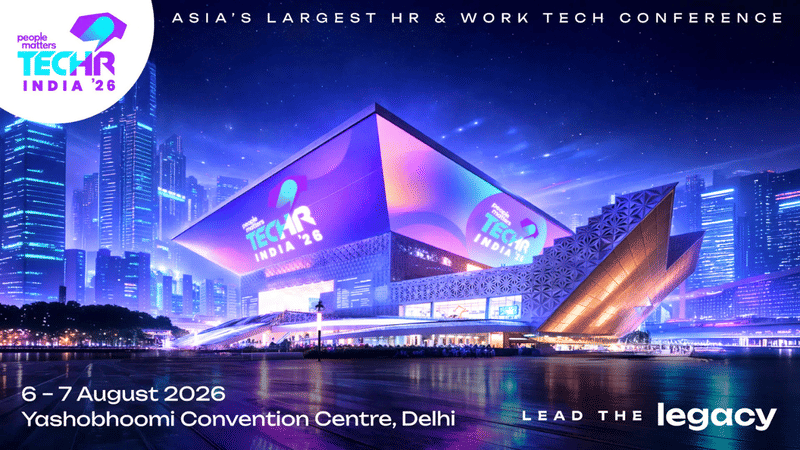
From enterprise AI and the future CHRO to skills, global workforces and human performance, TechHR India 2026 brings 5,000+ leaders to Yashobhoomi for conversations designed around the decisions organisations need to make next.
There are moments when an industry gathers to discuss change. And then there are moments when it gathers because the choices being made now could define what comes next.
People Matters TechHR India 2026 is set for the latter.
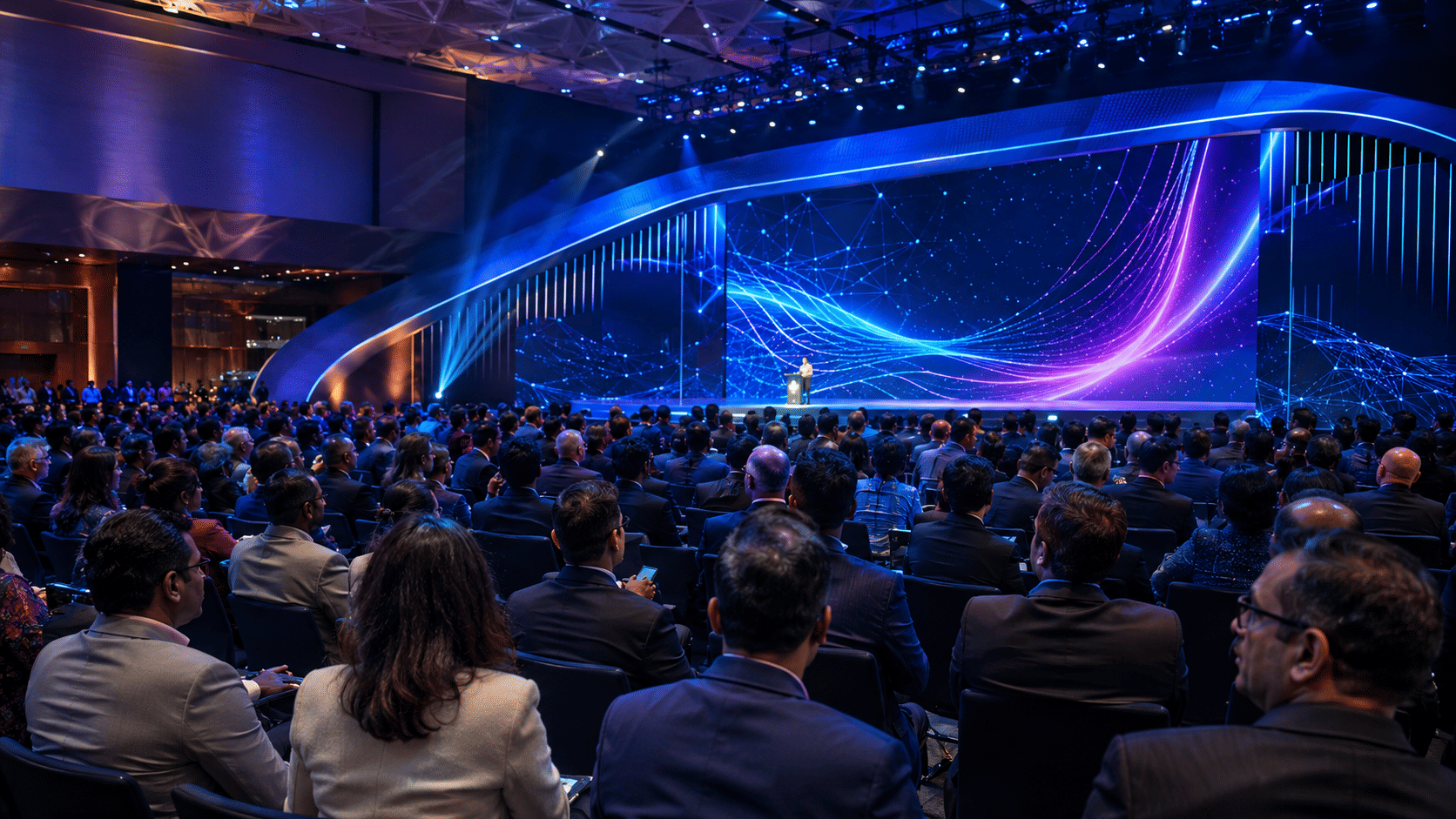
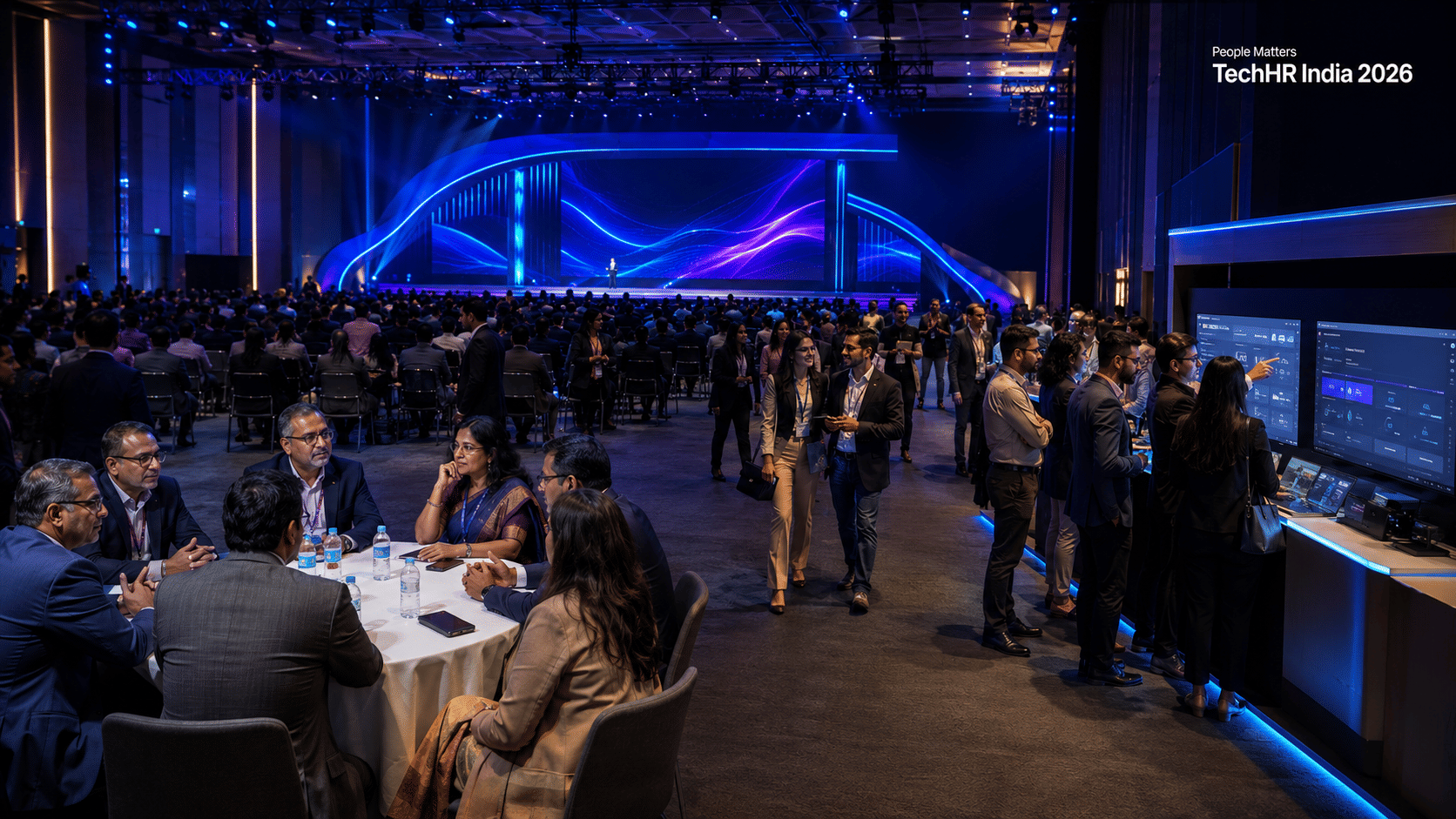
Across 6-7 August, Yashobhoomi Convention Centre in New Delhi is convening 5,000+ attendees, 175+ speakers, 150+ HR and WorkTech partners and more than 100 cumulative learning hours across parallel stages, workshops and immersive experiences.
But the significance of this year's gathering goes beyond scale.
AI is moving from experimentation into workflows and decision-making. Skills are evolving faster than traditional talent systems. Leadership is being tested by greater uncertainty. And organisations are trying to accelerate transformation without losing trust, judgement and the human connection that makes change sustainable.
It brings one question into sharper focus: What are leaders building today that others will inherit tomorrow?
That is the thought behind ‘Lead The Legacy: Orchestrating Growth With A Human Edge’—and the thread connecting two days of ideas, debate, experimentation and learning.
175+ voices, many worlds, one conversation
Holger Mueller, VP & Principal Analyst, Constellation Research, brings the enterprise technology perspective, while Marc Effron, Author and President, The Talent Strategy Group, turns the lens towards talent, performance and leadership.
The conversation also draws from experiences well outside the traditional workplace playbook.
Lt. Gen. Kanwal Jeet Singh Dhillon (Retd.) brings lessons in courage, command and judgement when the stakes are high. Jonty Rhodes, alongside physician, author and human-performance expert Dr Marcus Ranney, brings performance, resilience and wellbeing into the same frame.
Also Read: TechHR India 2026: Meet the leaders who have mastered challenges you are preparing for
Chetna Gala Sinha, Founder and Chairperson of Mann Deshi Bank, brings a perspective shaped by institution-building and inclusive growth, while Prasoon Joshi, Ranveer Brar and Aman Gupta widen the canvas through creativity, entrepreneurship, craft and reinvention.
Alongside them will be some of India's leading CHROs, CPOs, business leaders, talent heads and transformation leaders.
That diversity is intentional. The future of work will not be shaped by HR, technology or business acting independently. It will emerge at their intersection.
When AI changes work, what happens to leadership?
In ‘How To Make AI Your Enterprise's Competitive Edge’, Holger Mueller will examine how organisations can move from isolated experiments towards redesigned workflows, stronger governance and scalable enterprise performance.
Another defining conversation, ‘Who's Actually Driving?: Leadership, Authority & Talent In The Age Of AI-Native Work’, turns attention towards what happens when intelligent systems increasingly influence decisions once owned exclusively by leaders.
And ‘The Future CHRO: Preparing HR Leaders For A Tech-driven Boardroom’ asks what will make people leadership strategically indispensable as automation takes over more operational work.
These discussions sit within four interconnected agenda pillars: The New HR Operating System (HROS) Edge, The Leadership Edge, The Human+Tech Experience Edge and The Sustainable Innovation Edge.
Together they shift the conversation from what can AI do? towards a more consequential question: what should organisations redesign because AI can now do it?
Talent, skills and performance get a rethink
Technology is only one side of the transformation.
Marc Effron's ‘Leading With Talent Philosophy: How Modern Leaders Turn Beliefs Into High Performance’ will examine whether what organisations say about talent actually survives decisions around performance, development and succession.
Elsewhere, The Rise of the Superworker explores what higher human capability means when employees increasingly work alongside intelligent systems.
The Missing Middle puts middle management and future-ready succession under examination, while Skills As Strategy moves capability building from the learning agenda closer to business strategy.
And conversations spanning multigenerational workforces, employee experience, culture, global teams and India's next phase of economic growth bring the human consequences of transformation into view.
This is where Orchestrating Growth With A Human Edge moves from theme to operating question.
100+ learning hours, across more than one kind of stage
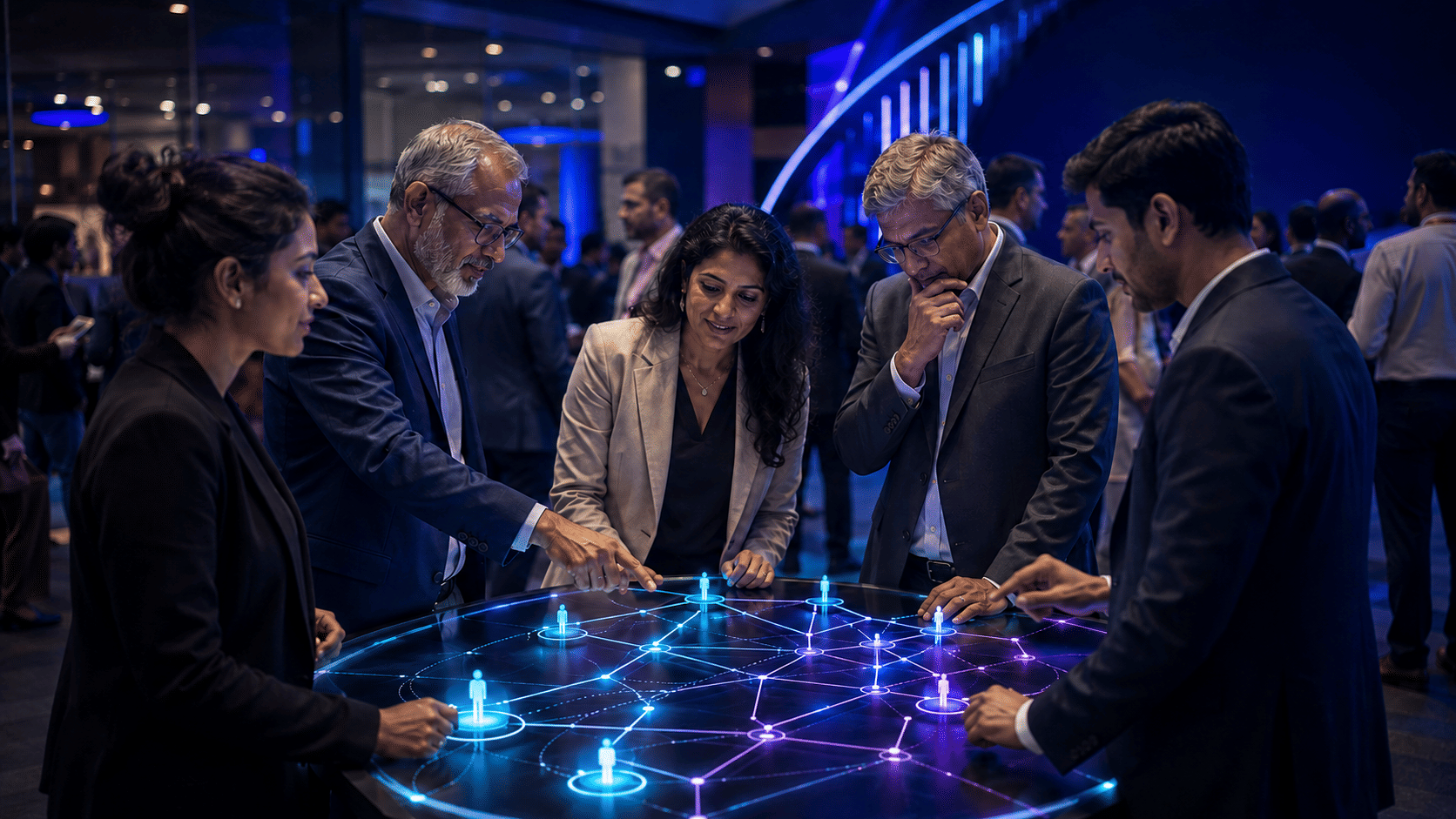
With more than 100 cumulative learning hours, TechHR India is designed as several learning environments operating simultaneously.
The programme stretches across Centre Stage, Growth Stage, Think Tank Lab, Unconference, Humans @ Work Lounge and the How To AI @ Work Playground, creating different depths and styles of participation.
Some conversations need the scale of a keynote. Others benefit from smaller peer exchanges, case-led learning, hands-on experimentation or an opportunity to challenge an idea directly.
The Ideas Of The Future Zone brings leaders closer to the HR and WorkTech ecosystem, while How To AI @ Work Playground is designed to move AI learning from presentation to practice—giving participants the opportunity to explore how emerging tools can change everyday ways of creating, analysing and working.
The 100+ hours therefore represent far more than a packed agenda. They reflect an attempt to make learning work differently for different leaders.
SHRPA 2026: Putting hard facts behind the AI conversation
Experimentation becomes more useful when leaders know where their organisation actually stands.
At TechHR India 2026, People Matters will bring forward the SHRPA Executive Insights India report, drawing on perspectives from HR leaders and HR technology product leaders across India.
The research examines AI in HR technology, current maturity levels, barriers to scaling adoption and the pillars shaping AI-led HR transformation.
At its centre is a question increasingly confronting leadership teams: how do organisations measure value realisation from their AI investments?
Rather than adding more predictions to an already crowded AI conversation, SHRPA brings evidence into the room—helping leaders distinguish adoption from readiness and activity from impact.
From insight to application
For leaders looking to go deeper beyond keynote sessions, workshops and masterclasses extend the learning beyond conference-stage conversations.
Marc Effron will lead ‘Building a High Performing HR Team’, exploring six factors that differentiate strong HR team members and eight steps towards high performance.
Holger Mueller's ‘The Proven Strategies to Make Your Enterprise Thrive with AI’ moves into the organisational practices required to balance AI-driven efficiency with human judgement, employee confidence and trust.
These deeper formats reinforce one of the strongest propositions of this year's TechHR: leaders should leave with more than ideas to consider. They should leave with something they can put to work.
Legacy also means knowing what to reinvent
The idea of legacy takes another form in ‘From Heritage To High Growth, The Haldiram Legacy In Motion’.
With Dr Ashok Tyagi of Haldiram Snacks, the conversation explores how an established organisation balances heritage with professionalisation, innovation, talent and changing consumer expectations.
It is an important counterpoint to the technology-heavy discussions elsewhere.
Because legacy is not the preservation of everything that came before.
Sometimes, protecting what matters requires having the confidence to reinvent everything around it.
From conversations to community
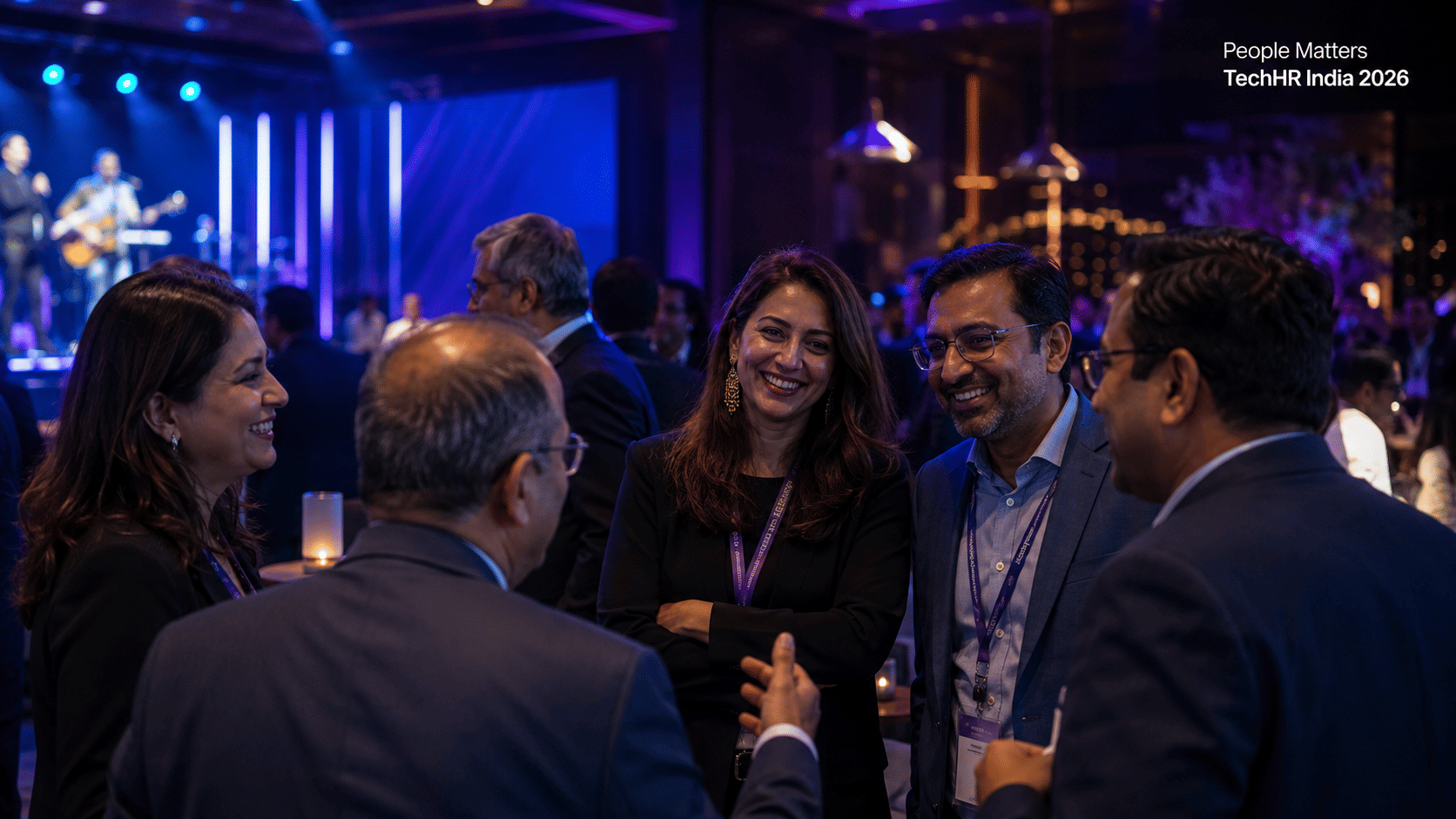
TechHR has always been as much about the people in the corridors as the people on stage.
The first day concludes with TechHR Night Fest: A Tribute To The Legacy, with The Copycats bringing English classics, Bollywood favourites and Punjabi anthems to an evening built around connection and celebration.
On 7 August, the second edition of the People Matters Infini-T Awards India will recognise organisations, teams and leaders creating impact across talent, technology and transformation.
Together, the experiences complete another dimension of Lead The Legacy: learning from what is coming next while celebrating the work already moving organisations forward.
The conversation is ready. What leaders build next matters more
5,000+ attendees. 175+ speakers. 150+ HR and WorkTech partners. 100+ cumulative learning hours.
Those numbers capture the scale of TechHR India 2026.
What they cannot capture are the collisions that become possible when a technology leader's view of AI meets a CHRO's workforce challenge; when a lesson in military command changes how a business leader thinks about uncertainty; or when research, experimentation and one unexpected conversation reshape a decision waiting back at work.
Join us for two days at Yashobhoomi on 6th and 7th August as those worlds come together.
Because what leaders learn at TechHR matters. What they choose to build with it is where the legacy begins.
Explore the TechHR India 2026 agenda
Also Read:
Not every problem needs the most powerful AI model: Yuvaraj Srivastava, Group CHRO, MakeMyTrip
The first measure of learning impact must be business results: S&P Global’s Bhavna Batra
How Blue Tokai is scaling culture without turning it into a script
Author
Loading...