







Leadership
The architecture of culture: People strategy in the hospitality industry






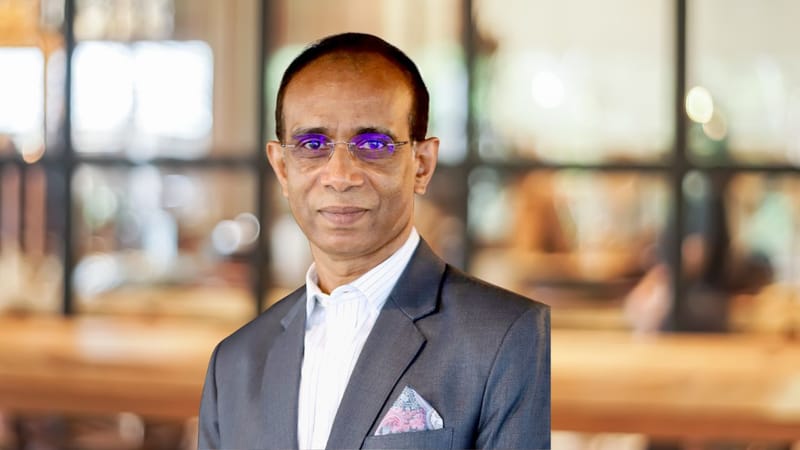
Purpose meets practice in building resilient workplace cultures. Hilton's Sabu Raghavan shares how people strategy can be shaped in the hospitality industry.
In the hospitality industry, culture is expressed through consistent behaviours, intentional leadership, and how individuals experience growth across functions and geographies. It is carefully shaped, anchored in purpose, enabled by systems, and continually refined to reflect the evolving expectations of a diverse and dynamic workforce.
In this conversation, Sabu Raghavan, Vice President – Human Resources, Hilton South Asia, offers insights into building a people strategy that is both structured and human-centred. He discusses the principles and practices that support a cohesive employee experience, the complexities of scaling culture across markets, and the mindset shifts required to navigate the future of work in a predominantly on-site industry.
Over the course of your leadership at Hilton, what experiences have shaped your view the most of what it takes to build and sustain a truly people-centric culture in hospitality?
Over the years, I’ve come to believe that a truly people-centric culture is built on two things: clarity of purpose and consistency in action. The vision of filling the earth with the light and warmth of hospitality set forth by our founder, Conrad Hilton, continues to guide every decision we make, every interaction we have and every new initiative we undertake. At Hilton, we live by that motto, and our team members embody that in their work and goals.
Having been in the Hilton for over a decade now, what has shaped my thinking the most is realising the importance of how we treat people, both externally and internally. Because hospitality doesn’t begin at the front desk. It begins behind the scenes with how your people feel when they walk into work and how the organisation enables their motivation and passion. I’ve observed this during onboarding, where new team members realise they’re not being handed over manual, but they’re welcomed into a culture. We have collectively seen it during our ‘Team Member Appreciation Week’ or ‘International Housekeeping Week’, where team members feel valued and celebrated. I’ve seen it when a team member, navigating personal hardships or caregiving responsibilities, finds meaningful support through our programs designed not just to check a box but to genuinely care.
Having said that, we are also cognizant that culture cannot sustain itself. It requires intention. Especially when we’re planning to grow at a 10X rate over the course of the next decade, open new hotels in new cities, and onboarding hundreds of team members across locations who will get their best version while helping the brand grow, we know we’re not just scaling operations. We’re invested in a mindset shift, making our Hilton values feel lived, every single day. So, in a nutshell, a people-centric culture in hospitality is less about big ideas and more about small gestures signalling that ‘you matter here’.
Rewards and recognition often spotlight great culture, but sustaining it year after year requires deeper foundations. What key practices have helped Hilton embed culture as a lived experience?
I completely agree – rewards and recognitions are the visible tip of the iceberg, but culture sits below the surface. And if there’s one thing that I’ve learned over the years, it’s that culture only sticks when it’s felt, not just said. Not once a year, but every single day. Hilton’s consistent recognition as a Great Place to Work® globally and in India stems from our unwavering support and commitment to helping people thrive, both personally and professionally. The company drives this through a strong ecosystem of recognition, inclusion, flexibility, well-being and growth.
From signature recognition programs like the CEO Light & Warmth Award, Hospitality Heroes and Thrive Sabbatical, to dedicated appreciation initiatives such as Team Member Appreciation Week or International Housekeeping Week, we have worked consistently to ensure that our team members feel seen and celebrated every step of the way. When it comes to growth, Hilton offers robust wellbeing and learning platforms like Thrive@Hilton, a holistic value proposition designed to enable employees to thrive in mind, body, and spirit. Similarly, our programs, such as Lead@Hilton and Hilton University, offer leadership development, including virtual development programs, ensuring team members are empowered to lead and grow. Our strong focus on mental health and flexibility is reflected in our programs like Care for All, an industry-leading caregiving initiative designed to support team members and their loved ones on their caregiving journeys, as well as Intellect, an industry-leading mobile application that provides mental health support. The ‘It’s OK’ flexibility campaign, rolled out in 2022, champions workplace flexibility and striking a balance between personal and workplace accomplishments, creating a truly supportive environment.
Together, these integrated efforts reflect our dedication to building a supportive and welcoming culture, earning us the reputation as a truly great place to work, year after year.
What are some of the most persistent challenges in scaling Hilton’s culture and talent practices across diverse markets in South Asia? How have you navigated it without compromising consistency or local relevance?
South Asia is incredibly diverse, not just across countries, but even within cities. You are dealing with different languages, generational expectations, career aspirations, and cultural norms - all of which shape how people ascertain their career goals and experiences at work. Culture does not copy-paste. A framework that works very well for India may not necessarily thrive in Nepal or Bangladesh. Scaling in a market as diverse as our region requires us to walk a fine line between staying true to Hilton’s global values and adapting meaningfully to local contexts.
Maintaining a steady talent supply presents multifaceted challenges. High turnover rates and the need to constantly attract new talent amidst evolving job expectations are prominent concerns. Post-pandemic, we have had to navigate professionals’ hesitancy to rejoin the sector. Additionally, emerging demands for specialised skills, such as digital proficiency, further complicate recruitment efforts.
At Hilton, we address these talent challenges with a two-pronged approach: Positioning ourselves as a compelling employer of choice and fostering an internal talent pipeline.
We believe that hospitality can be a force for good, and we are committed to providing employment opportunities to a multi-generational, gender-diverse and differentially abled workforce. We continuously tap into new and alternative talent sources, including talent outside of the hospitality industry and gig economy workers. Our investment in continuous training and upskilling ensures all team members, regardless of whether them being existing employees, gig-workers, or those with varied initial experience, are well-prepared to meet industry demands.
What has sustained our culture through this growth is a focus on the everyday. It is not big initiatives alone that shape how people feel at work, but the smaller, consistent actions that build trust over time. Whether it is how a team huddle is run, how feedback is received, or how farewells are handled, we treat each moment as an opportunity to reinforce care and connection. Regular listening mechanisms, like our pulse surveys, help us stay close to what our teams need and ensure we are evolving in ways that stay true to our values while being locally relevant. That balance between structure and empathy is what makes our culture real, resilient, and scalable.
In a largely on-site industry, how is Hilton reimagining the future of work, particularly around flexibility, well-being, and career progression?
Regardless of the sector, retaining the top talent is no longer about compensation - it's about creating an environment where employees feel valued, engaged, and empowered. Compensation, of course, is fundamental to this strategy, but is not the primary motivator anymore. One of the most effective strategies has been continuous learning and growth. We also see career progression as a personalised journey rather than a fixed ladder. We invest in accessible learning opportunities that help team members grow in ways that matter most to them, whether through leadership roles, building expertise, or exploring new functions with initiatives such as Lead@Hilton. Programs like Thrive Sabbatical and Thrive Reset allow people flexibility, to step away from work to pursue personal passions or causes. When people thrive in life, they bring their best selves to work. As I mentioned earlier, through initiatives like 'It’s OK,' we have created space for team members to have a greater voice in how their work aligns with their personal lives, especially during significant moments, such as caregiving or family emergencies. This shift has strengthened trust and, in turn, improved both engagement and retention.
Wellbeing at Hilton is woven into everyday life. The foundation of supporting employees in high-stress roles lies in fostering a culture of open dialogue where team members feel safe discussing their mental health challenges. It is reflected in thoughtful scheduling, meaningful time off, and leaders who consistently model care. We prioritise supporting people as whole individuals, not just as employees. This belief shapes how we show up for one another every day.
Looking ahead, what critical capabilities or mindset shifts will define Hilton’s talent strategy in South Asia, and where is deeper reinvention most needed?
As we continue to expand across South Asia, a key mindset shift lies in reimagining how we attract and develop talent in non-traditional hospitality markets. In many Tier II and III cities, hospitality is still gaining ground as a viable long-term career. To shift that perception, we are focused on building meaningful growth narratives - making career pathways more visible and aspirational through clear roadmaps and locally relevant success stories.
Equally vital is cultivating culturally agile, people-first leaders. South Asia’s diversity, across language, faith, generation, and socio-economic background, demands leadership that is both empathetic and inclusive. We’re working to embed this cultural intelligence across the employee journey, from hiring and onboarding to ongoing development and performance conversations, so that every team member feels genuinely seen and supported.
Finally, we see a need to evolve how we deliver flexibility and well-being in an on-site, service-first industry. Family responsibilities often shape work decisions in this region, and we are responding with more accommodating scheduling practices and care-led policies that reflect real-life needs. Ultimately, the future of talent in South Asia will be defined not just by capability, but by how valued and empowered people feel in their day-to-day experience.
Topics
Author
Loading...